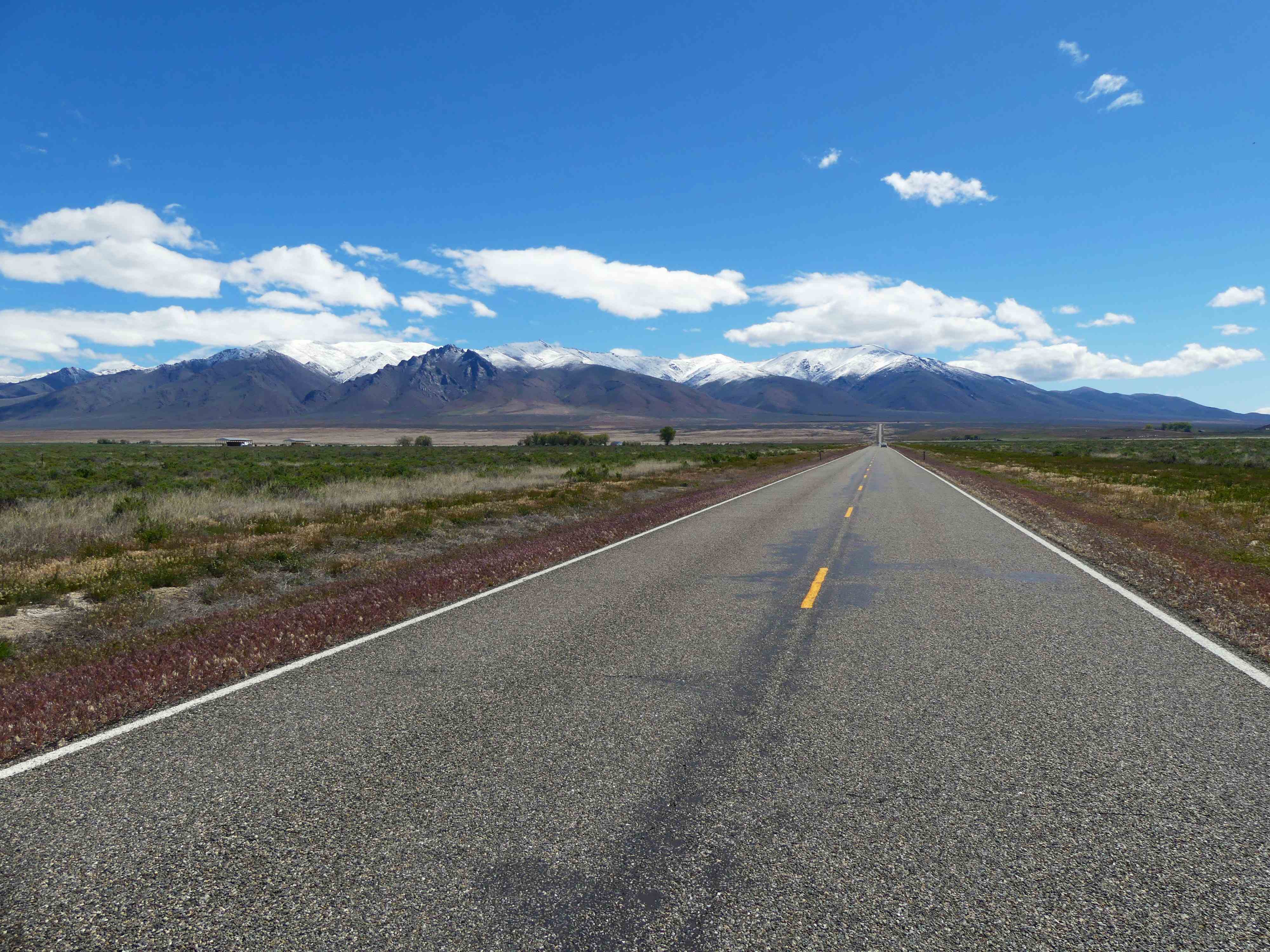
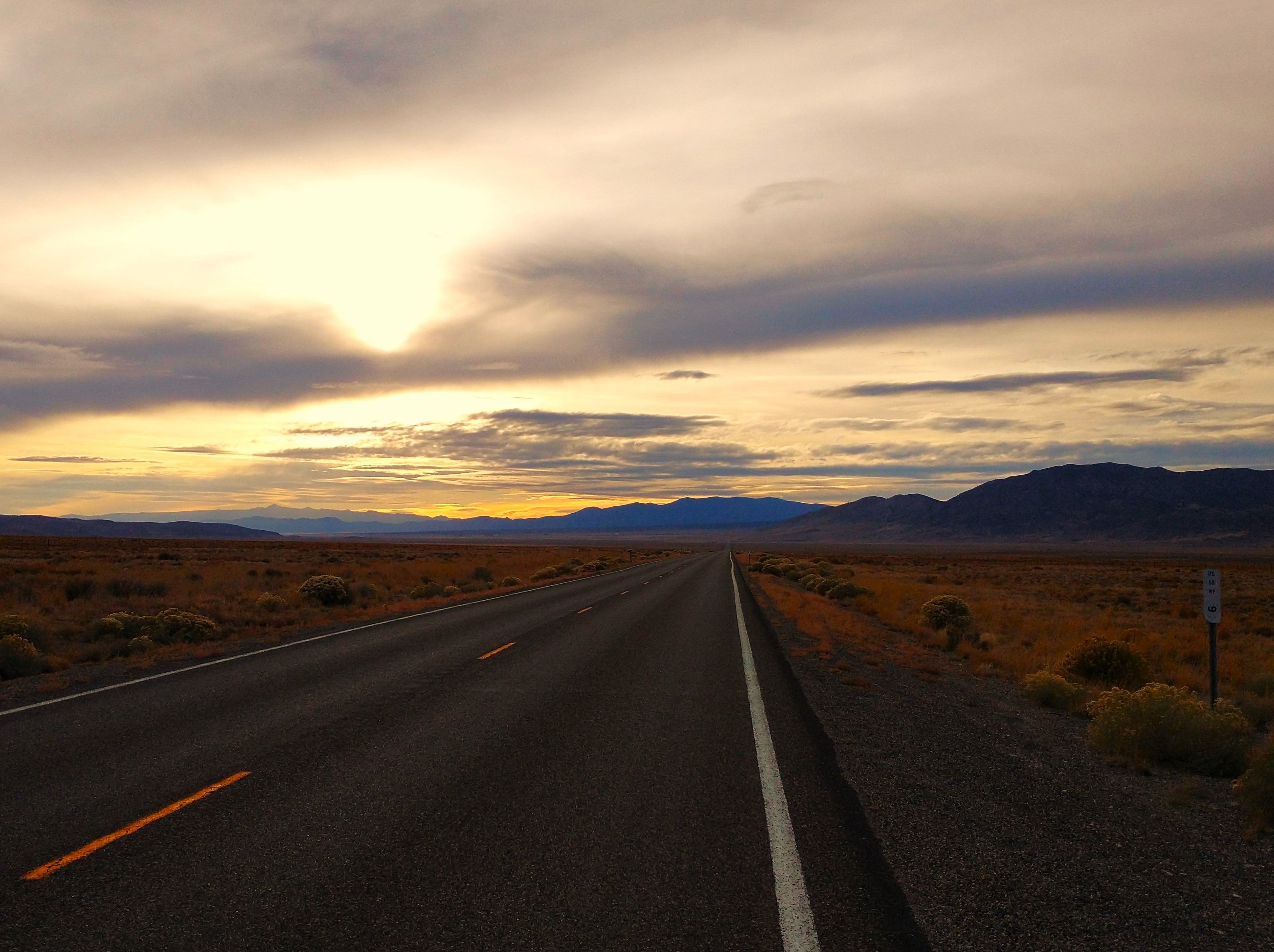
This is what it looks like on US Hwy 50, “The Loneliest Road in America” across Nevada. Actually, there are longer, emptier stretches elsewhere in the state. US Hwy 93 south from Majors Place to Pioche, NV, is one of them. The open road beckons. [All photos Max Vollmer, Click on any image to enlarge]
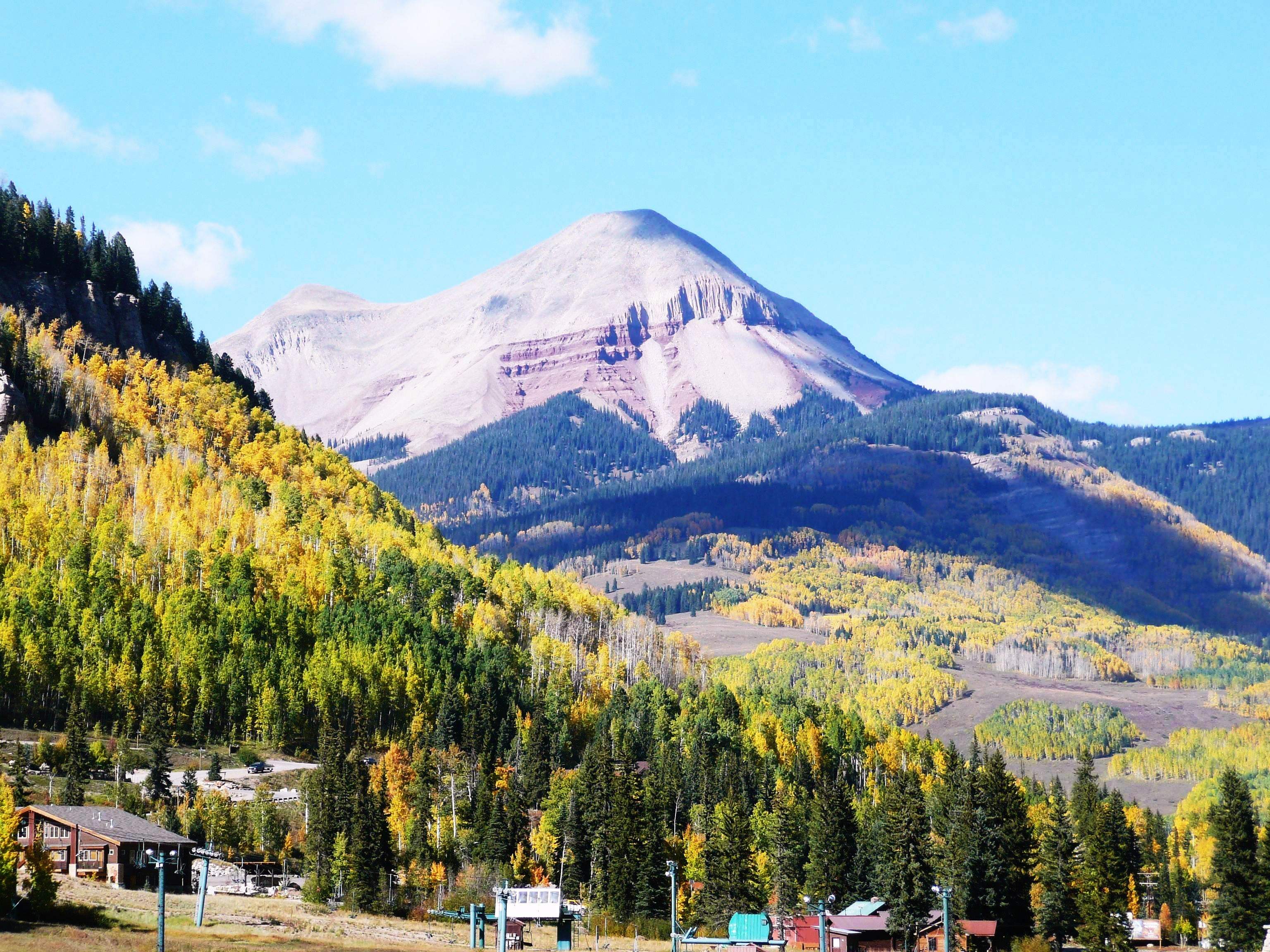
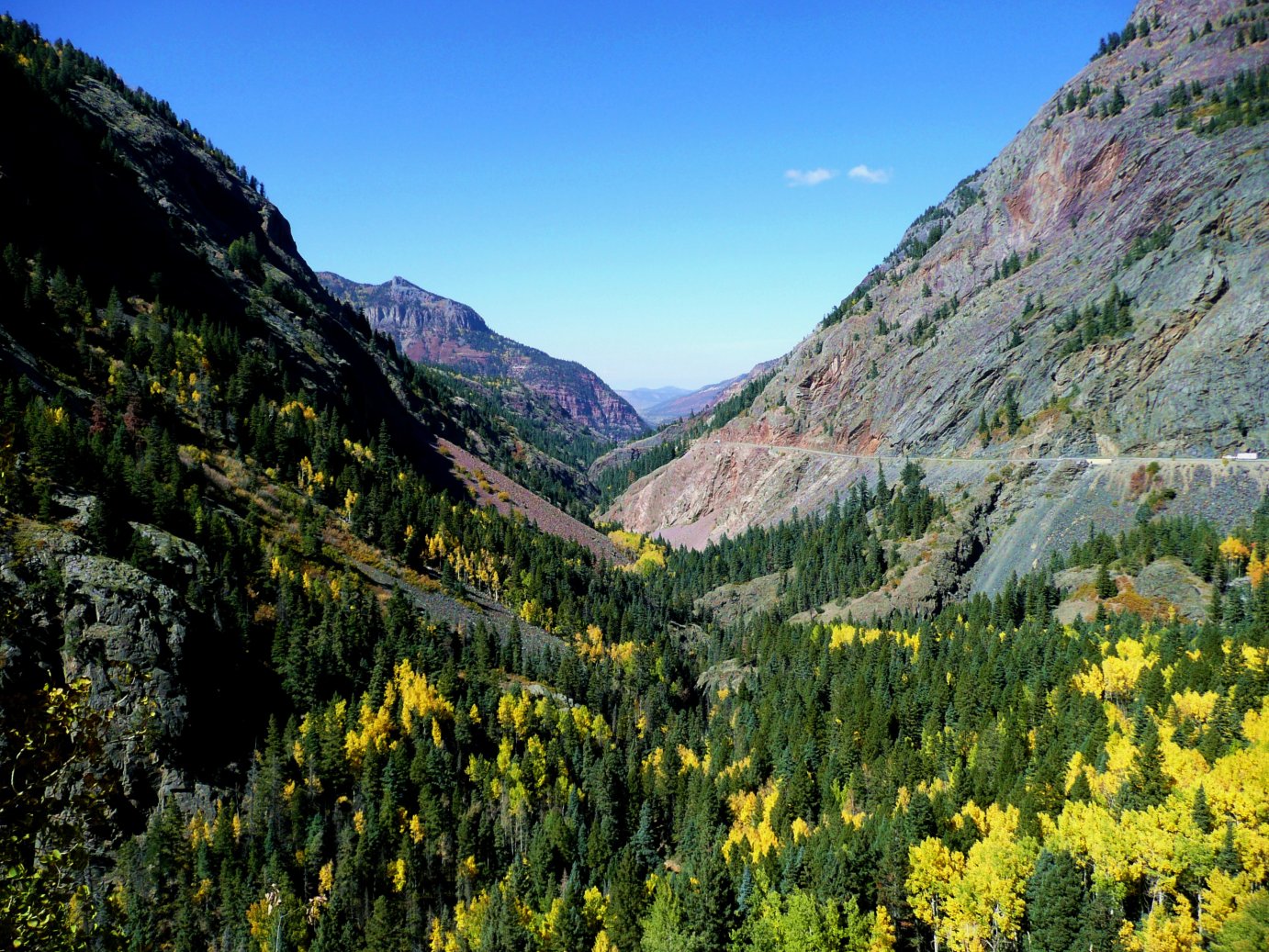
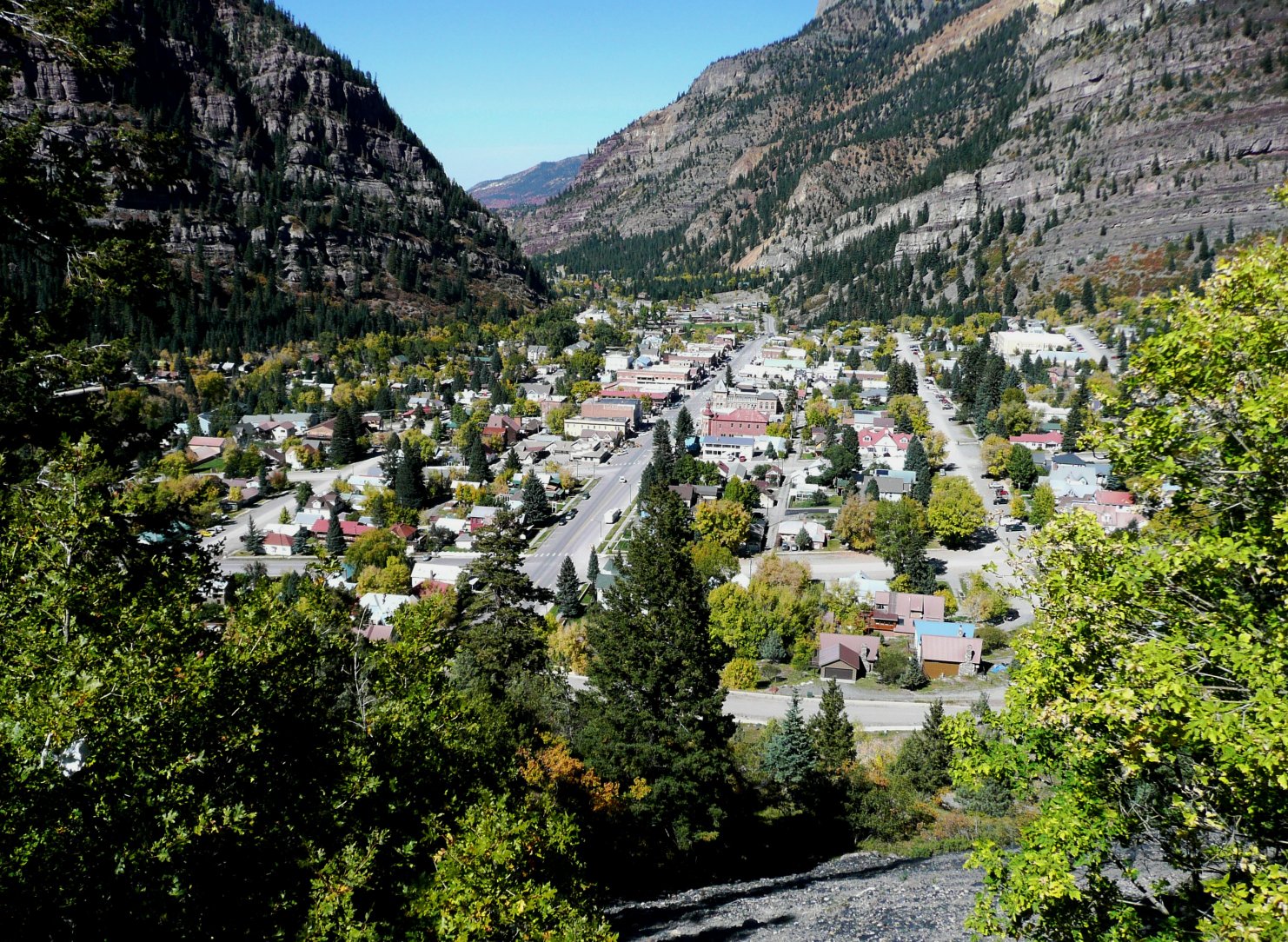
My brother, Terry, recently brought my attention back to a 25 mile stretch of highway, U.S. Route 550, from Silverton, CO, to Ouray, CO, that I traveled and photographed in the Fall of 2012. The name, Million Dollar Highway, refers to the rumored cost of $1,000,000 per mile to build it in the 1920’s when a dollar bought a lot more than it does now. https://thenatureseeker.com/million-dollar-highway/ [All photos Max Vollmer, Click on any image to enlarge]
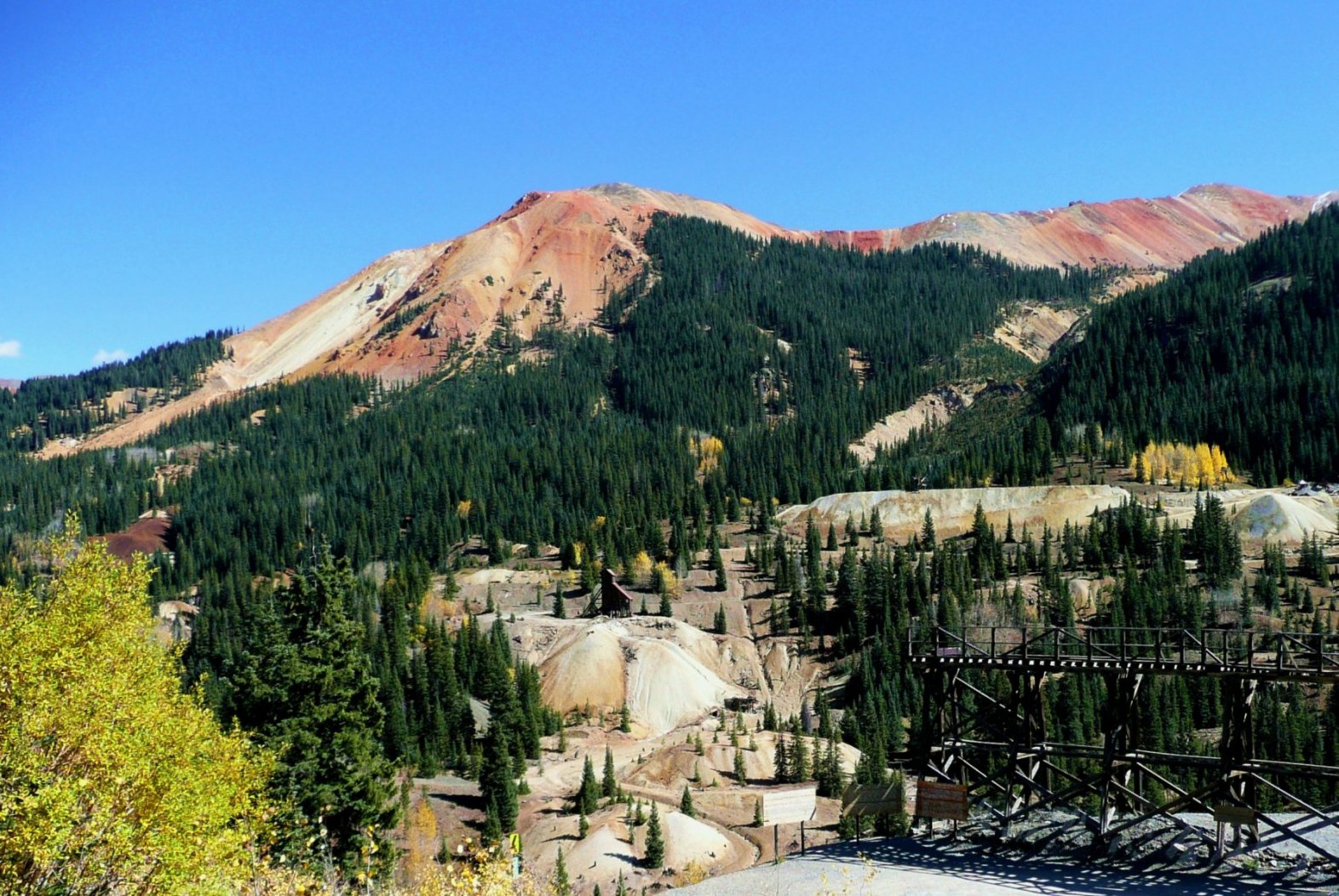
Red Mountain, viewed from U.S. Hwy 550 from Durango, CO, to Silverton, CO.Former Yankee Girl Mine, north slopes of Red Mountain.U.S. 550 downhill to Ouray, CO.Ouray, CO, from descent along U.S. Hwy 550.
The route was originally surveyed and built as a wagon road in the 1880’s to carry incredibly rich silver ore from the Yankee Girl Mine located on the north slope of Red Mountain down to the smelter. While narrow gauge railroads were built to serve mines all over the Colorado Rockies in the late 19th century, defying gravity and the elements to extract gold and silver, the geography surrounding the Yankee Girl defied the best railroad surveyors and engineers of the day and no tracks were ever laid
I drove the high altitude 25 mile stretch, 11,000 ft. at the highest, from Silverton to Ouray behind a Colorado Highway Patrol cruiser, keeping me from being overly aggressive. The speed limit was, and no doubt still is, 25 mph because of the steep grades and narrow pavement with no guardrails.
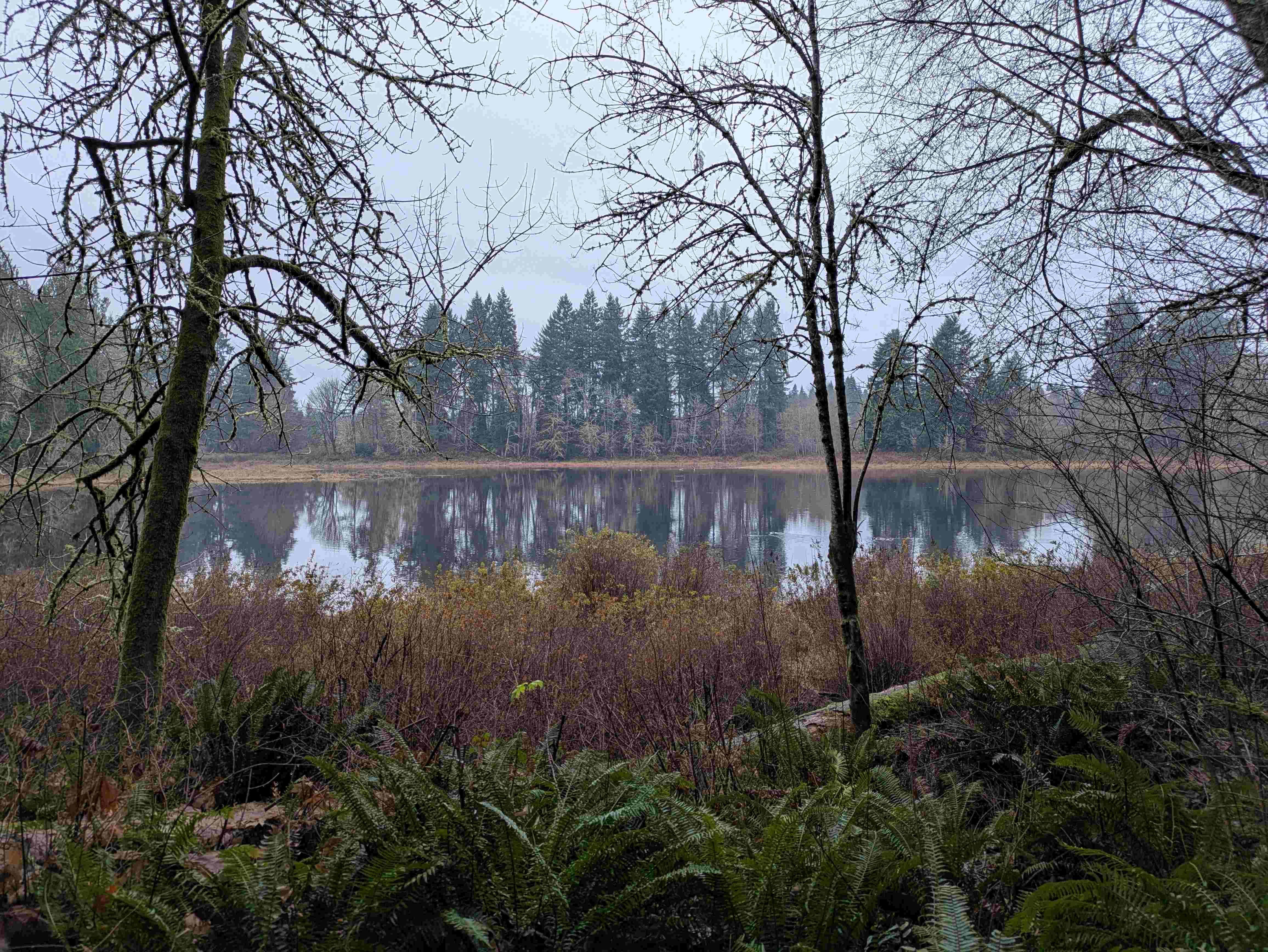
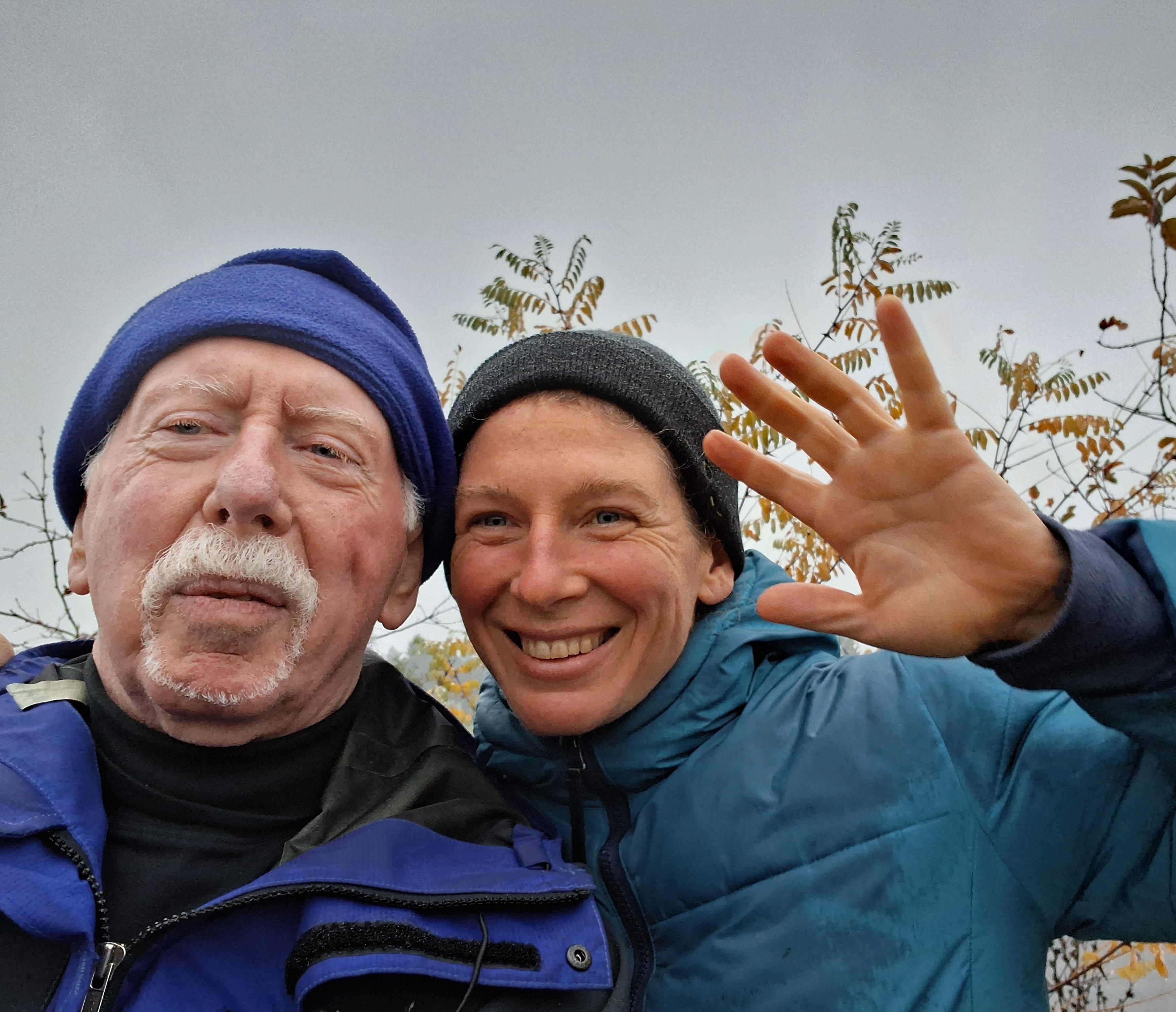
Need to relax and reflect? You could walk the Chehalis Western Trail outside Olympia, WA, where this photo was taken by my daughter, Yukyo, on New Years Day, 2026. The trail is the longest shared-use path for cyclists and hikers in the region. It occupies an abandoned railroad corridor that was once used by the historic Weyerhaeuser-owned Chehalis Western Railroad. [Photo Emily/Yukyo Vollmer, Click on image to enlarge]
Where to go? Toward an expansive horizon is always my first choice. In the case of Chaco Canyon Road, the southern exit from Chaco Culture National Historic Park, it was 40+ miles of dirt road across the Navajo Reservation with the warning sign declaring, “Road not maintained, may be impassable to passenger cars.” There are no structures, no signs of habitation the length of that road. There are steep drops into and out of arroyos that flood with cloudbursts, as well as deeply rutted mud slumps that require 4WD to cross even in dry weather. There are no guarantees. But being alone with the unknown is a great way to get to know yourself. [Photo Max Vollmer, Click on image to enlarge]
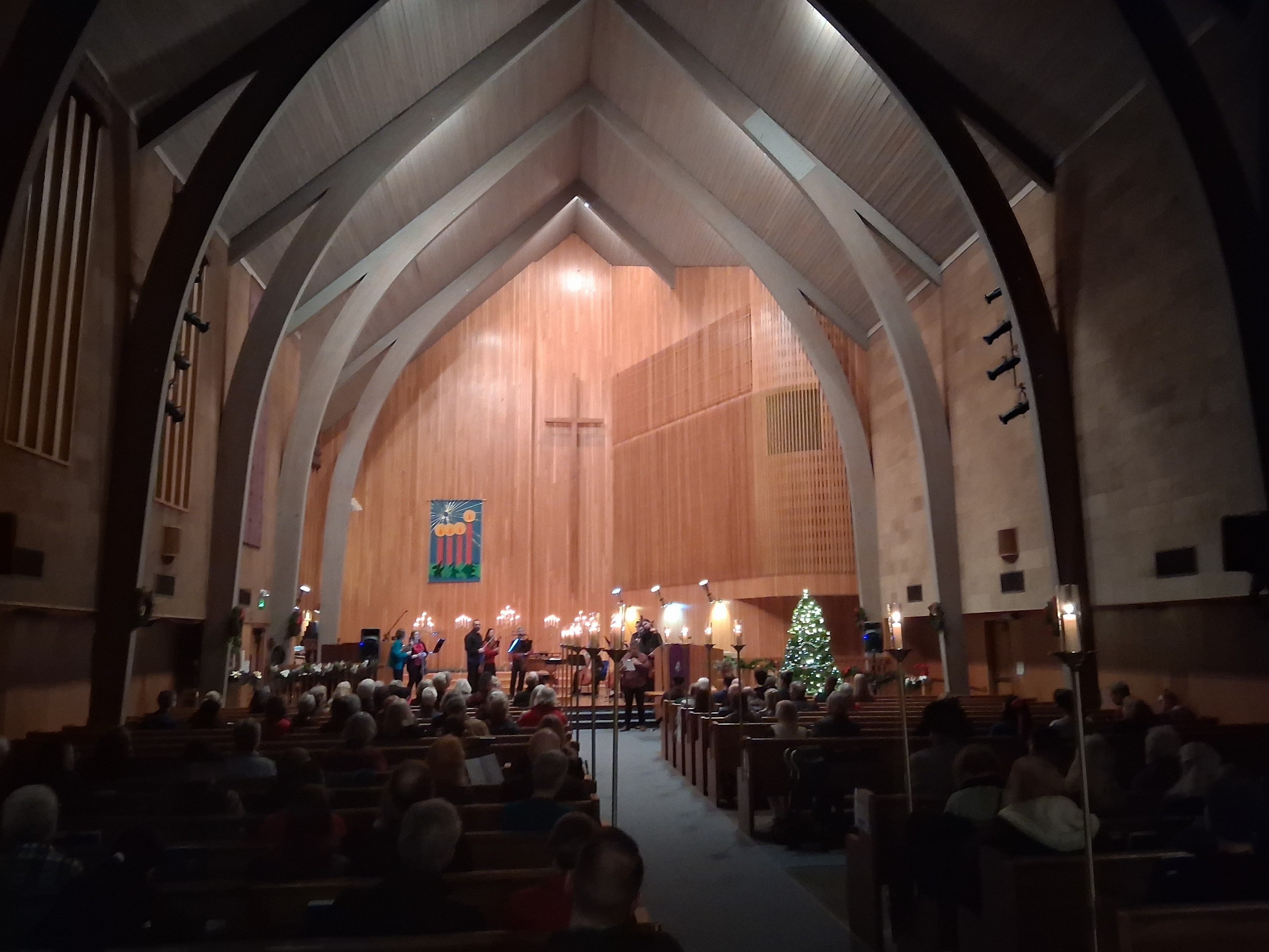
Oregon Mozart Players Candlelight Concert 2025 at Central Presbyterian Church, Eugene, OR
I’ve volunteered for the Oregon Mozart Players off and on for over 25 years and was happy to usher once again for this year’s Candlelight Concert. Beautiful music for the season. The program included Alessandro Scarlatti’s Christmas Cantata, as well as a Concerto Grosso by Archangelo Corelli, and Suite III from Ottorino Respighi’s Ancient Airs and Dances. Even the names are musical. My favorite was a 20th century Christmas Suite by English composer, Alec Rowley, based on traditional English carols. [Photo Max Vollmer, Click on image to enlarge]
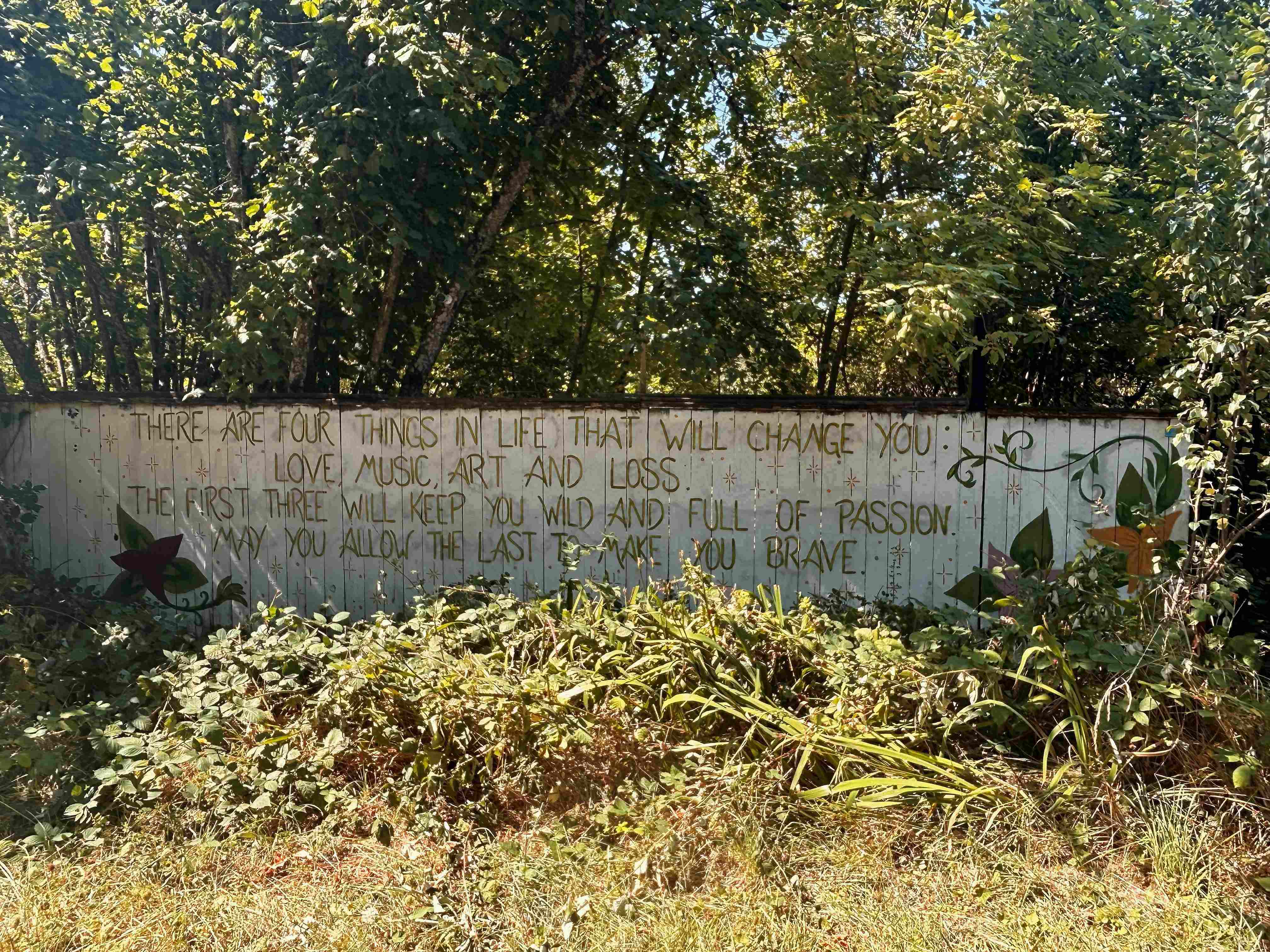
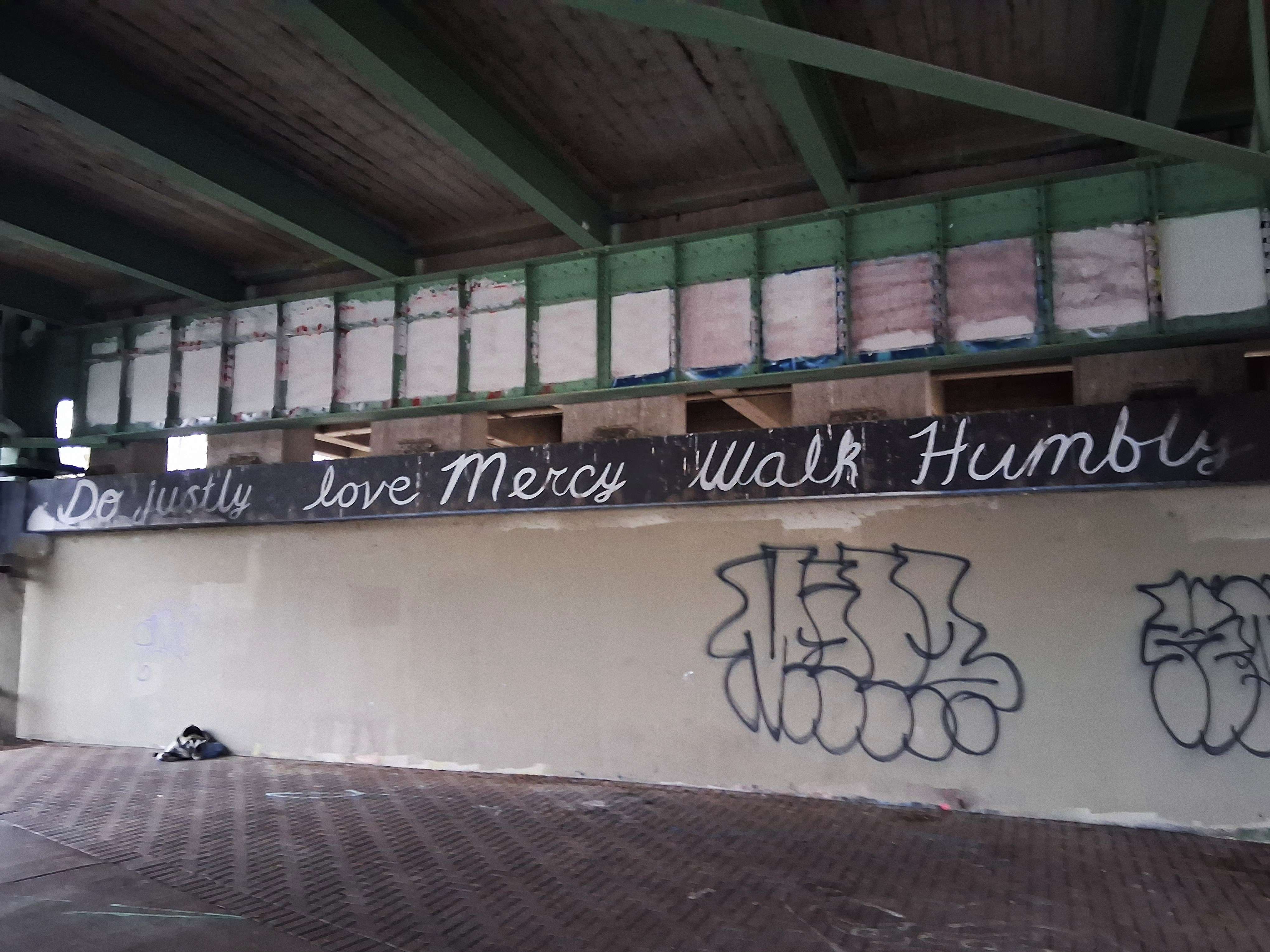
I took the photo above on August 28 when Kat and I walked along the West Bank. Today I walked the Willamette River Trail from Skinner Butte to this spot and beyond in 60 degree weather and full sun. The message is as clear as ever. In loving memory of Kathleen “Kat” Jenison, October 8, 1955 – December 10, 2025, [Photo Max Vollmer, Click on image to enlarge]
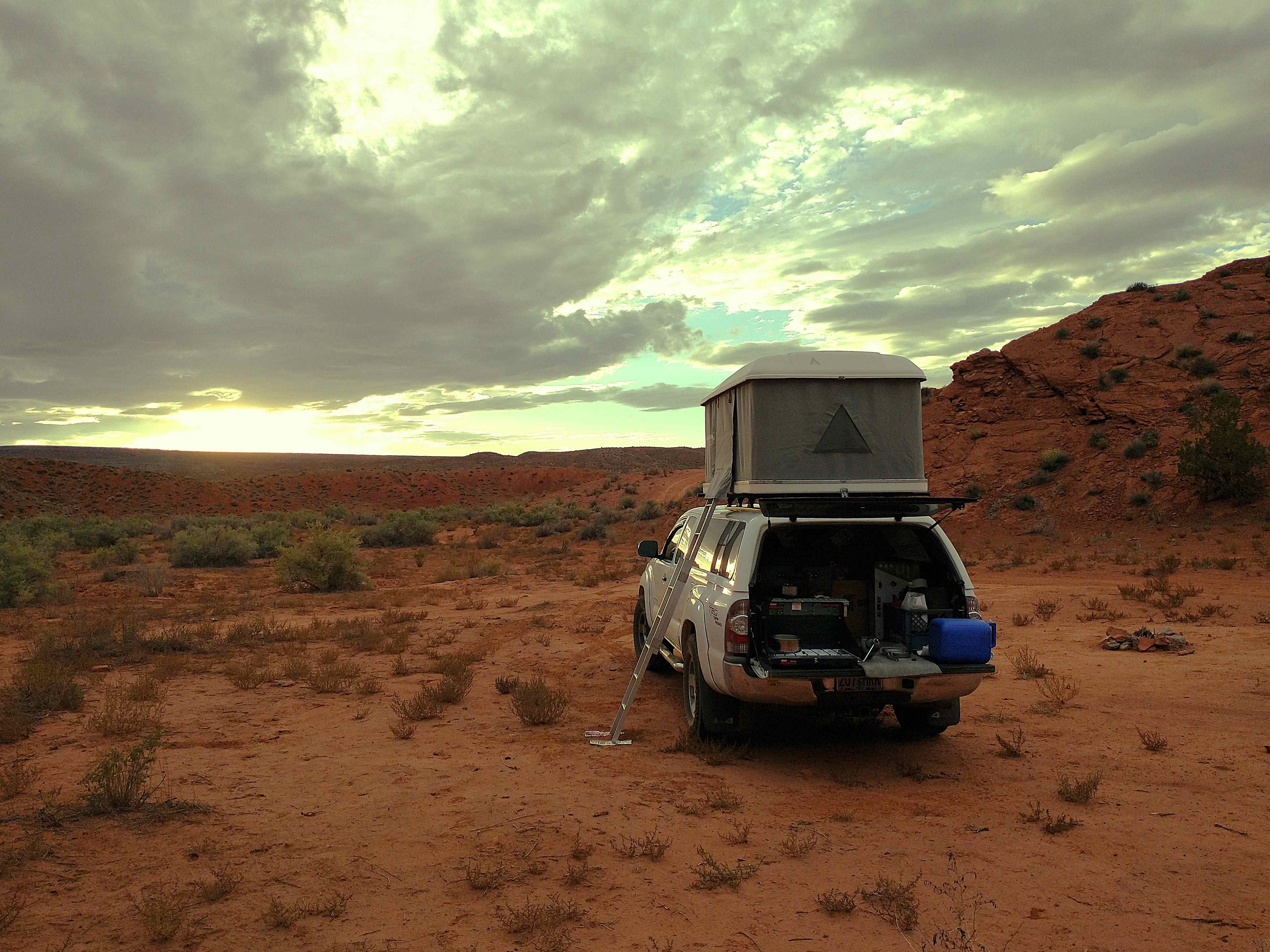
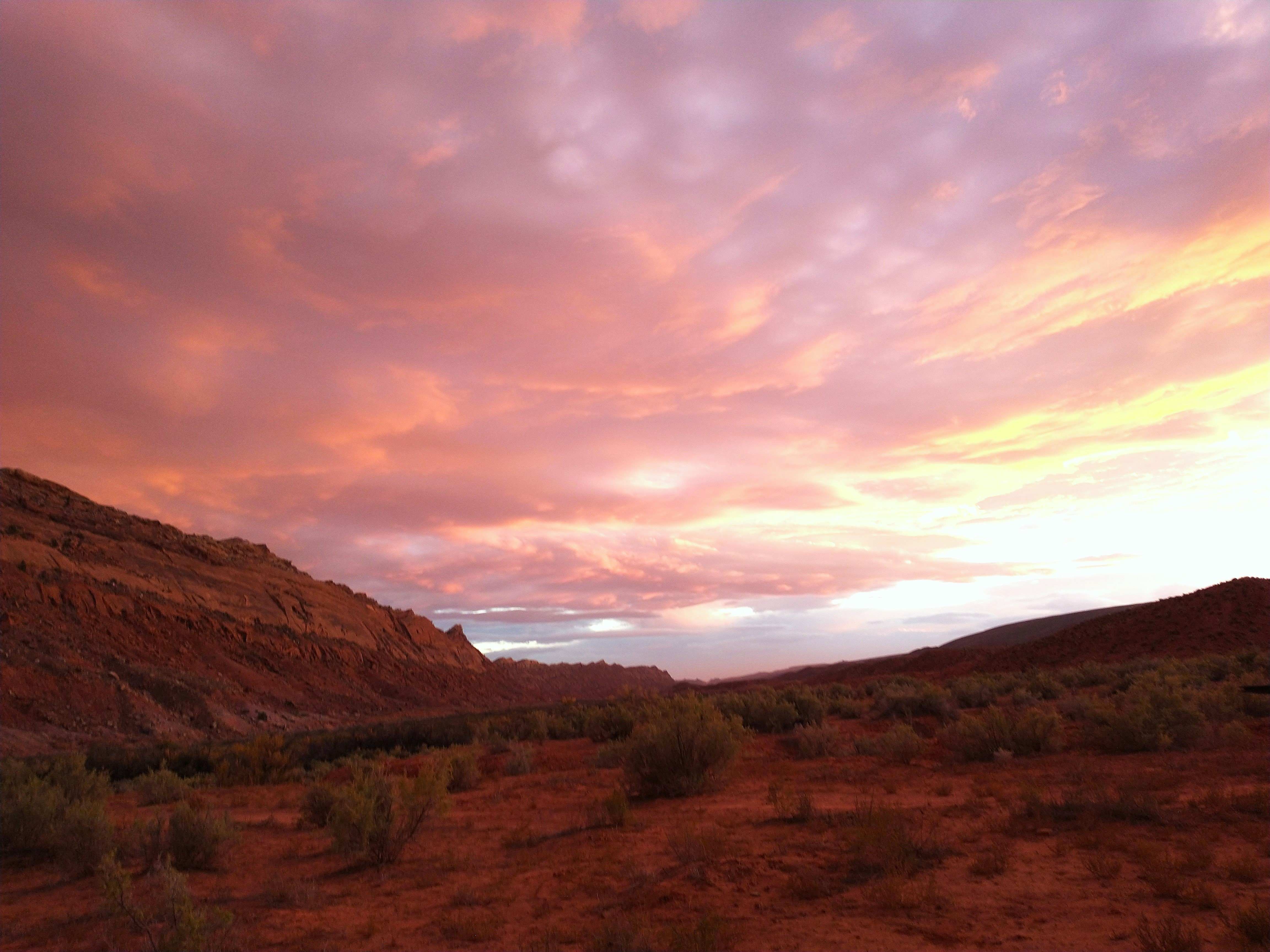
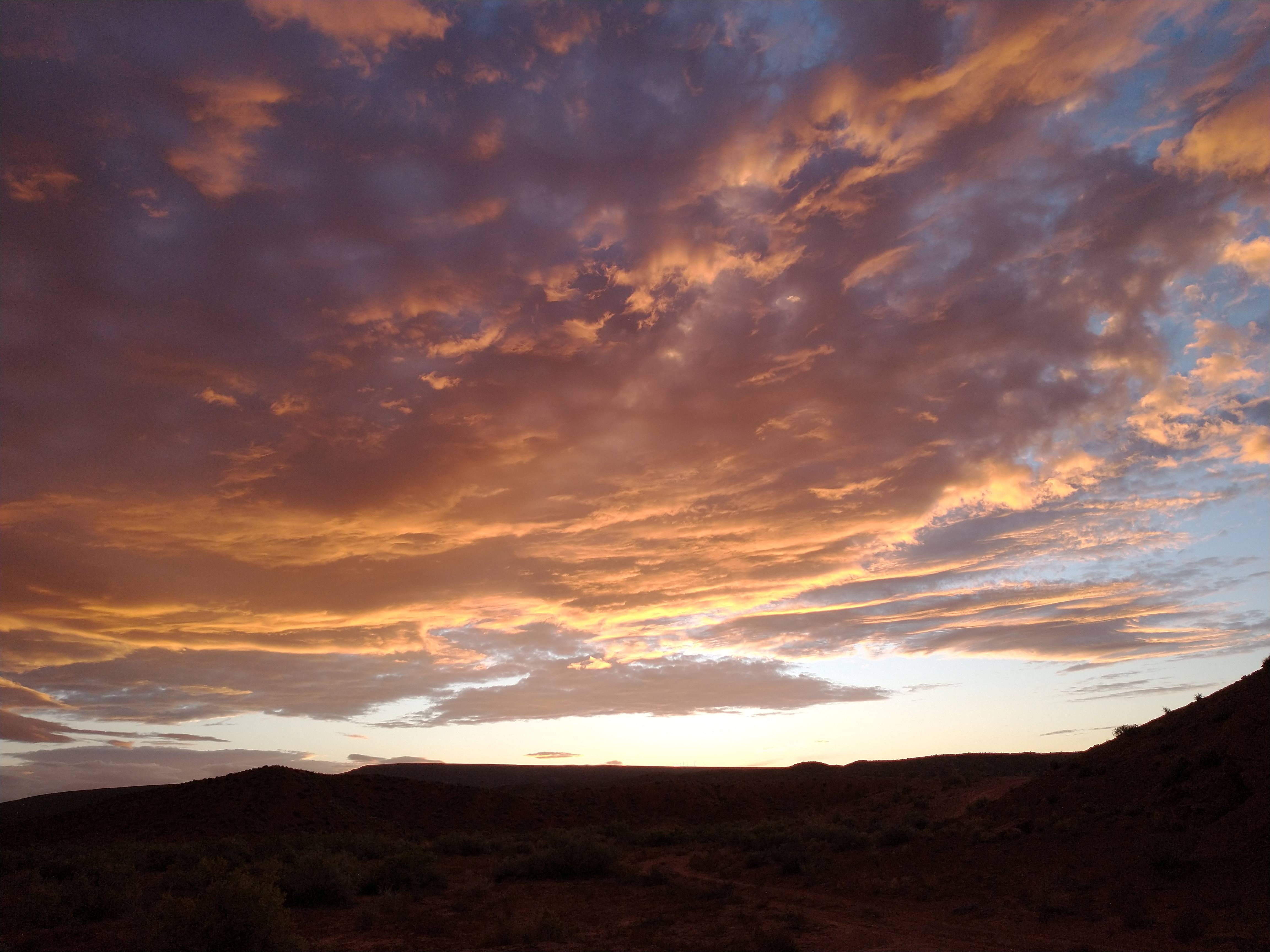
The open road and the Southwest, especially Utah, are never out of my thoughts. Spring and Fall are the best times to visit the desert. [Photos Max Vollmer, Click on any image to enlarge]
EveningChanging colors over Comb Ridge, looking southFading light to the west.
Young adventurer and lover of wild places , Everette Ruess, disappeared without a trace in 1934. He was last seen camping in Davis Gulch south of Escalante, UT. His remains were not discovered until 2008 near Comb Ridge, northwest of Bluff, UT. I’ve been reading Ruess’s letters and journal entries in A Vagabond For Beauty by W. L. Rusho.
[Photos Max Vollmer, Click on any image to enlarge]
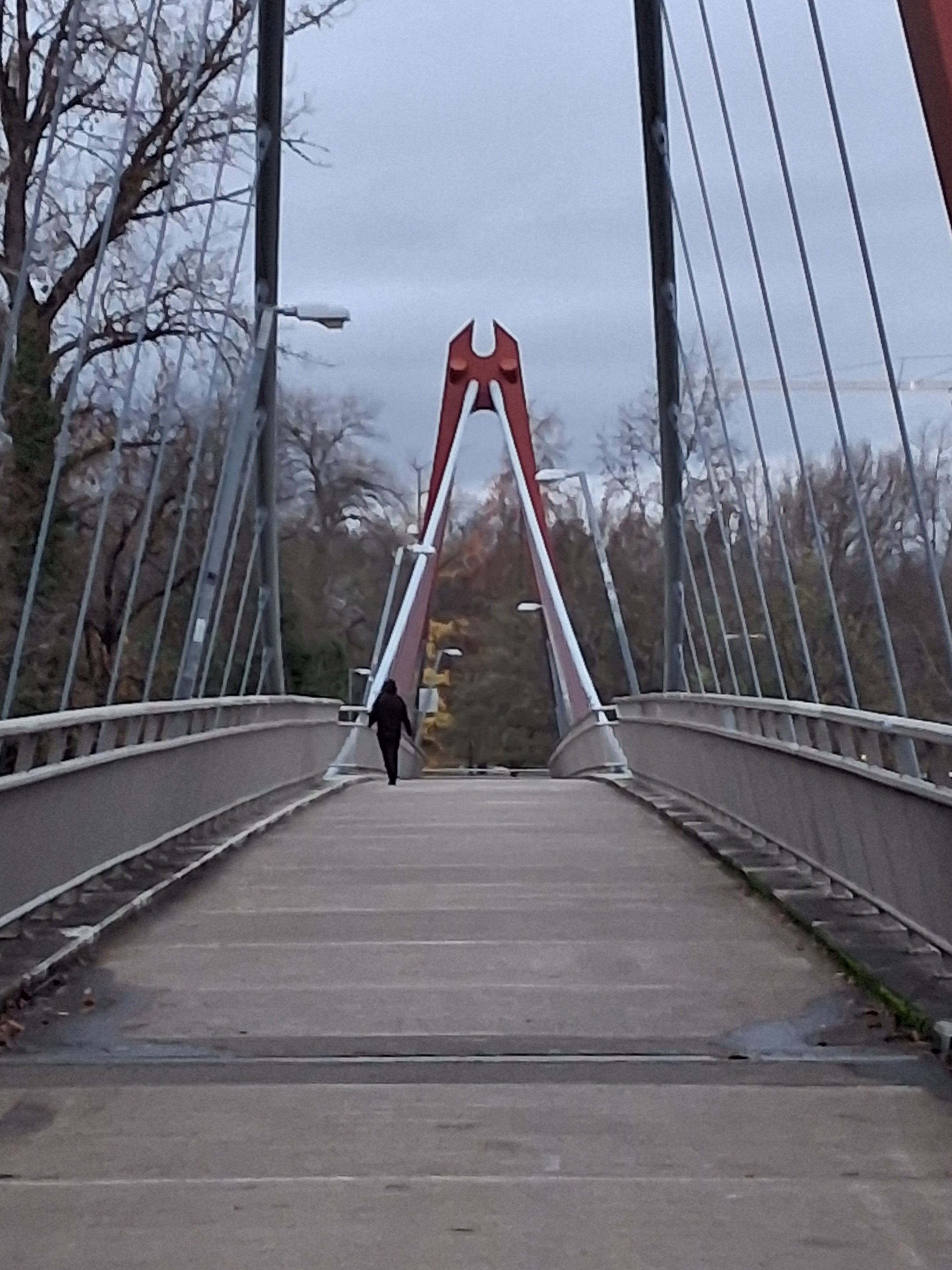
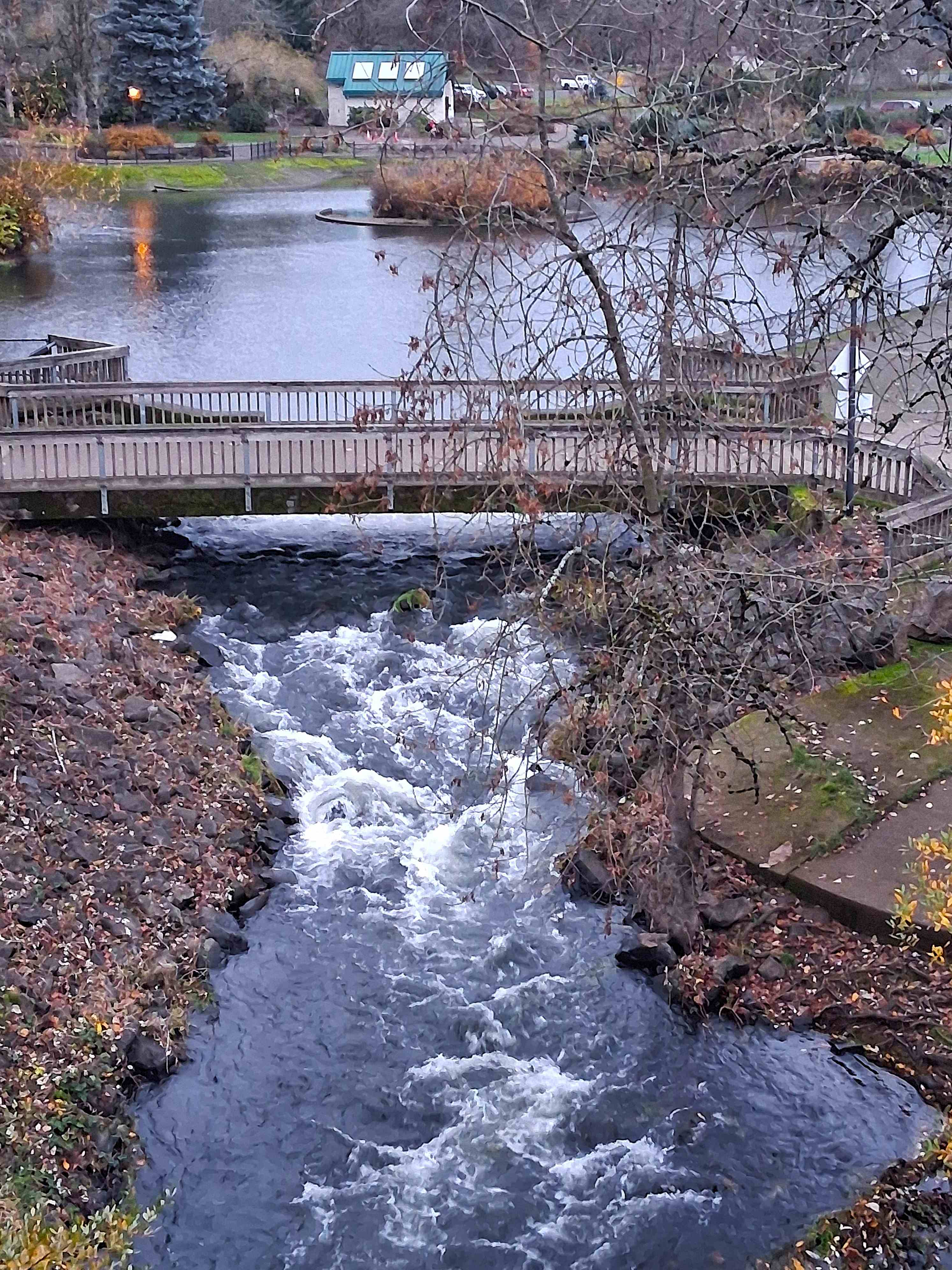
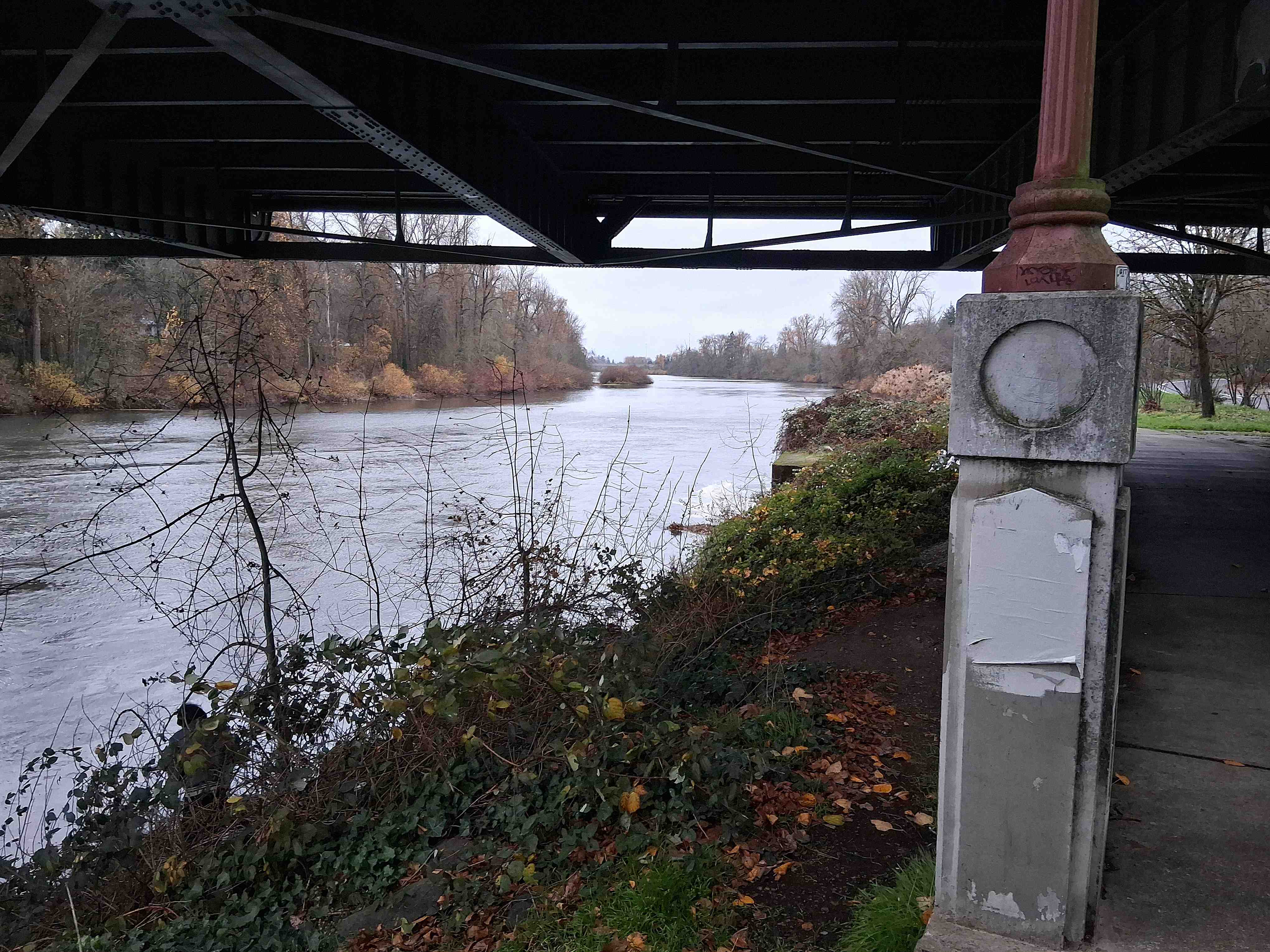
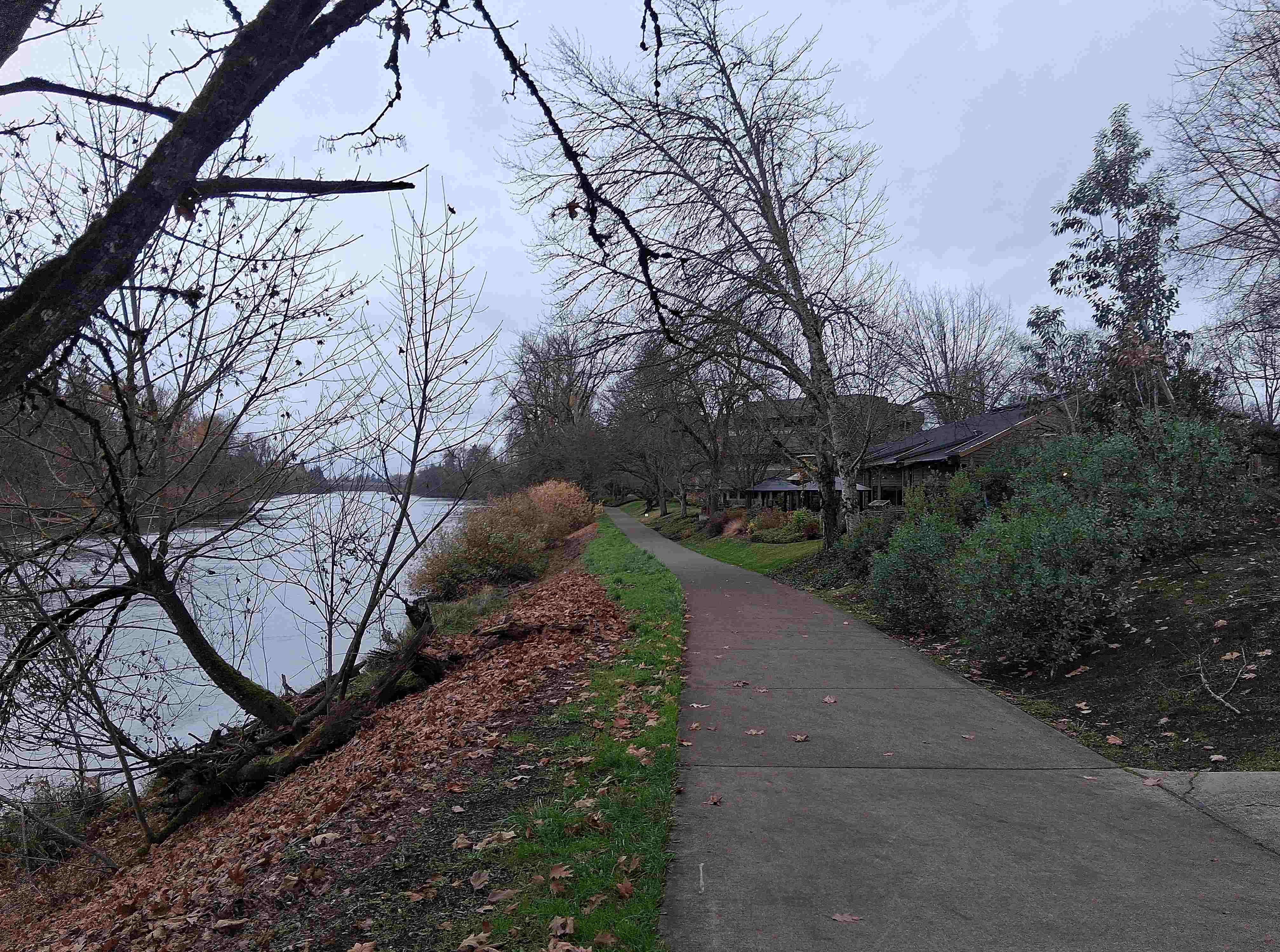
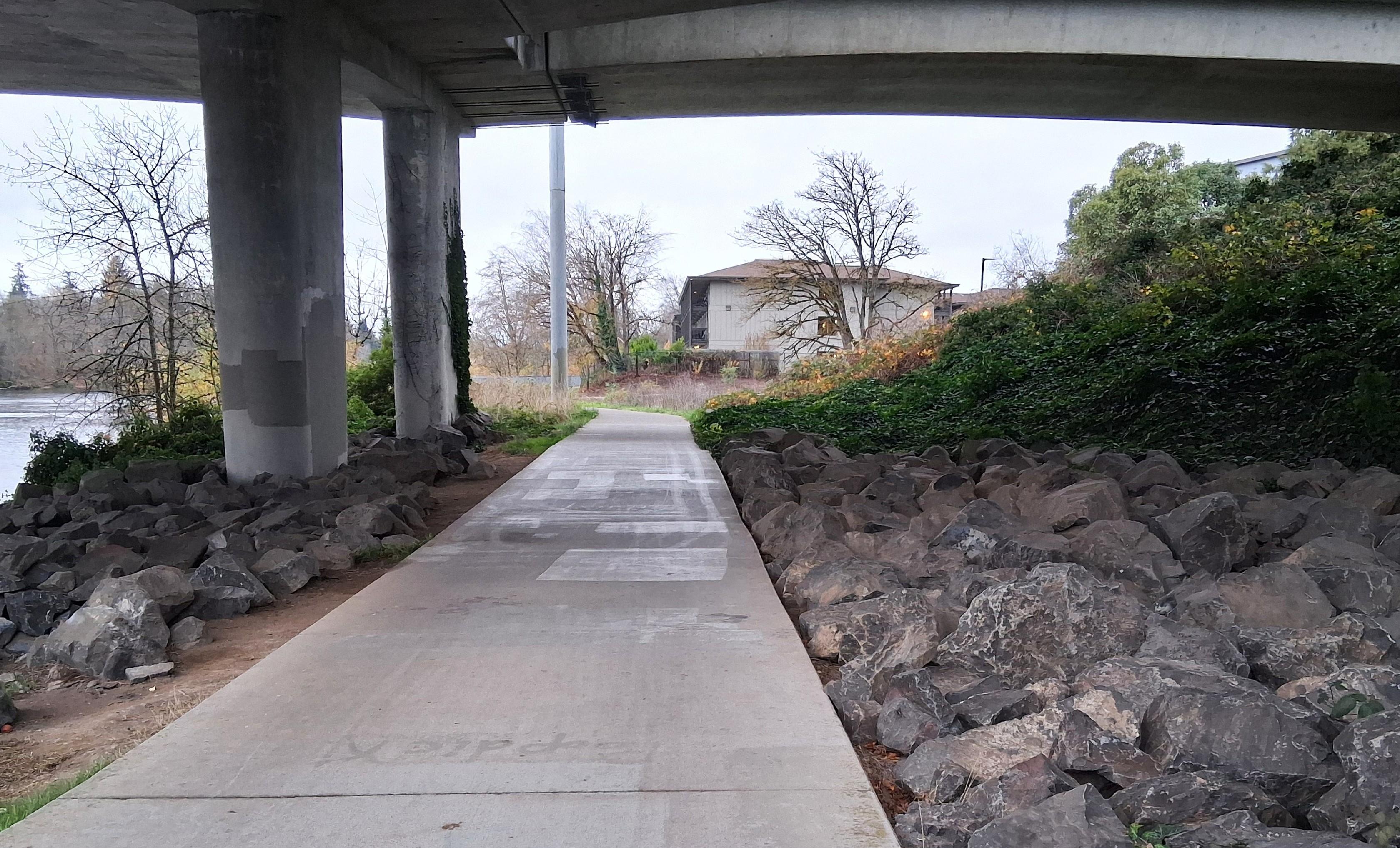
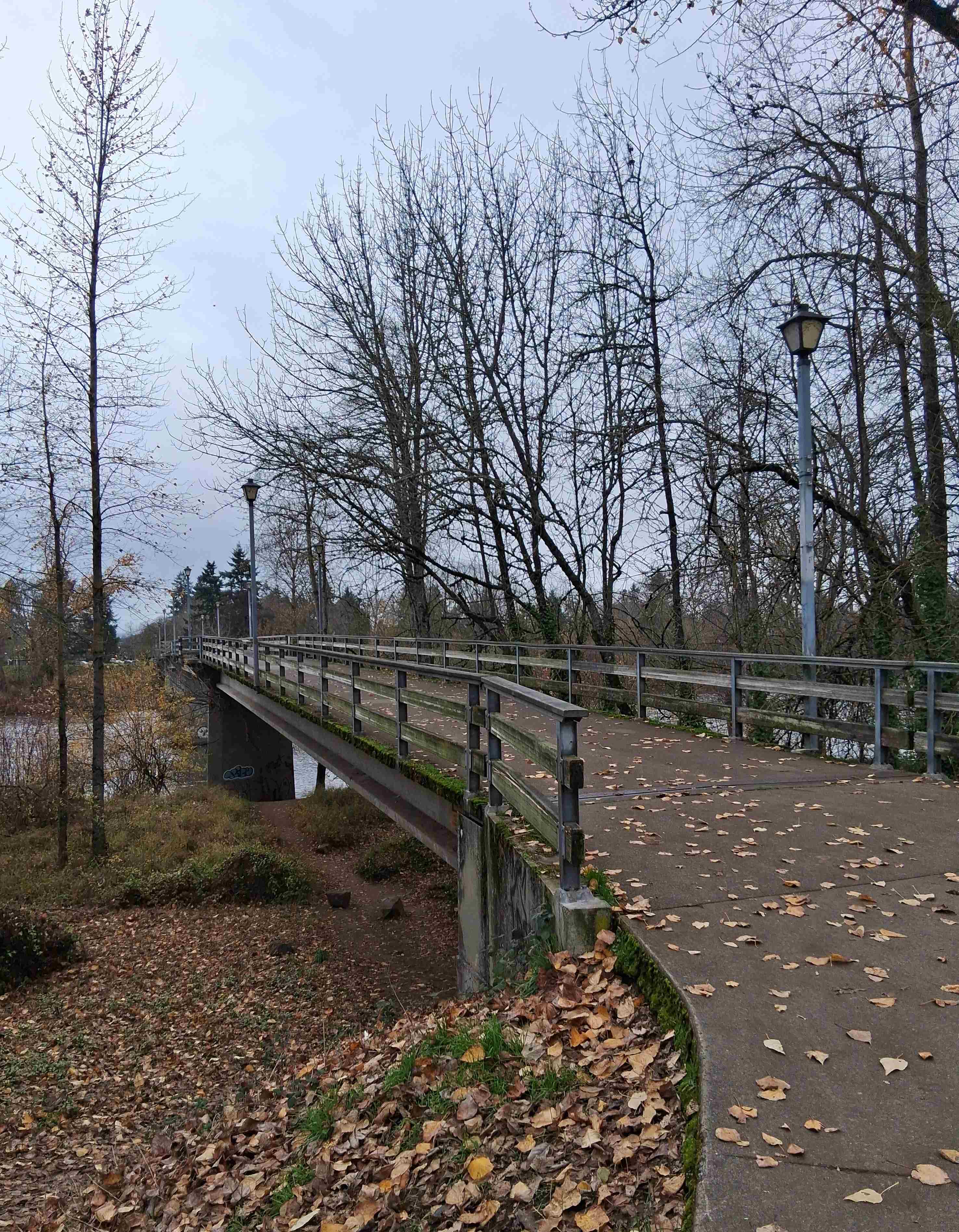
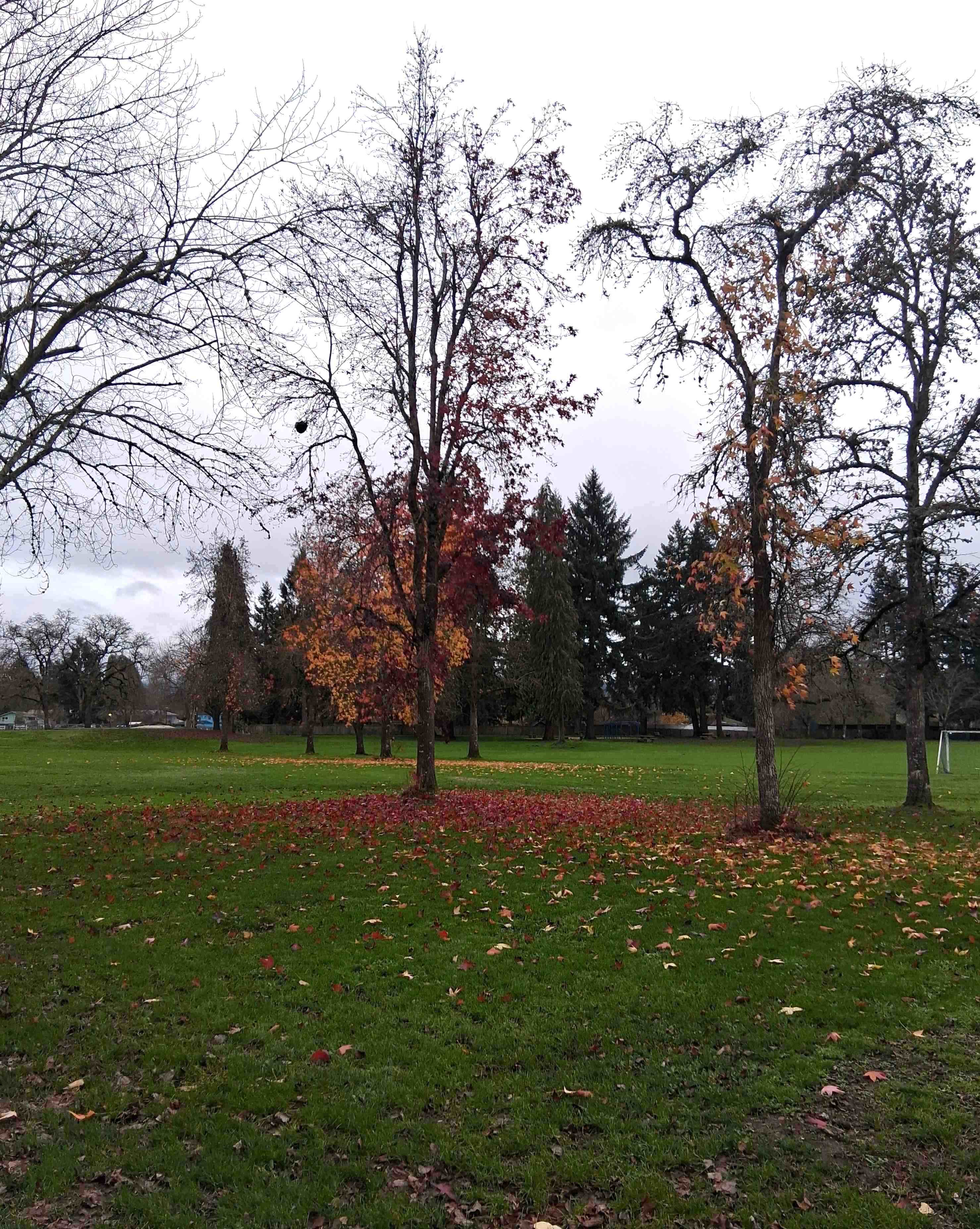
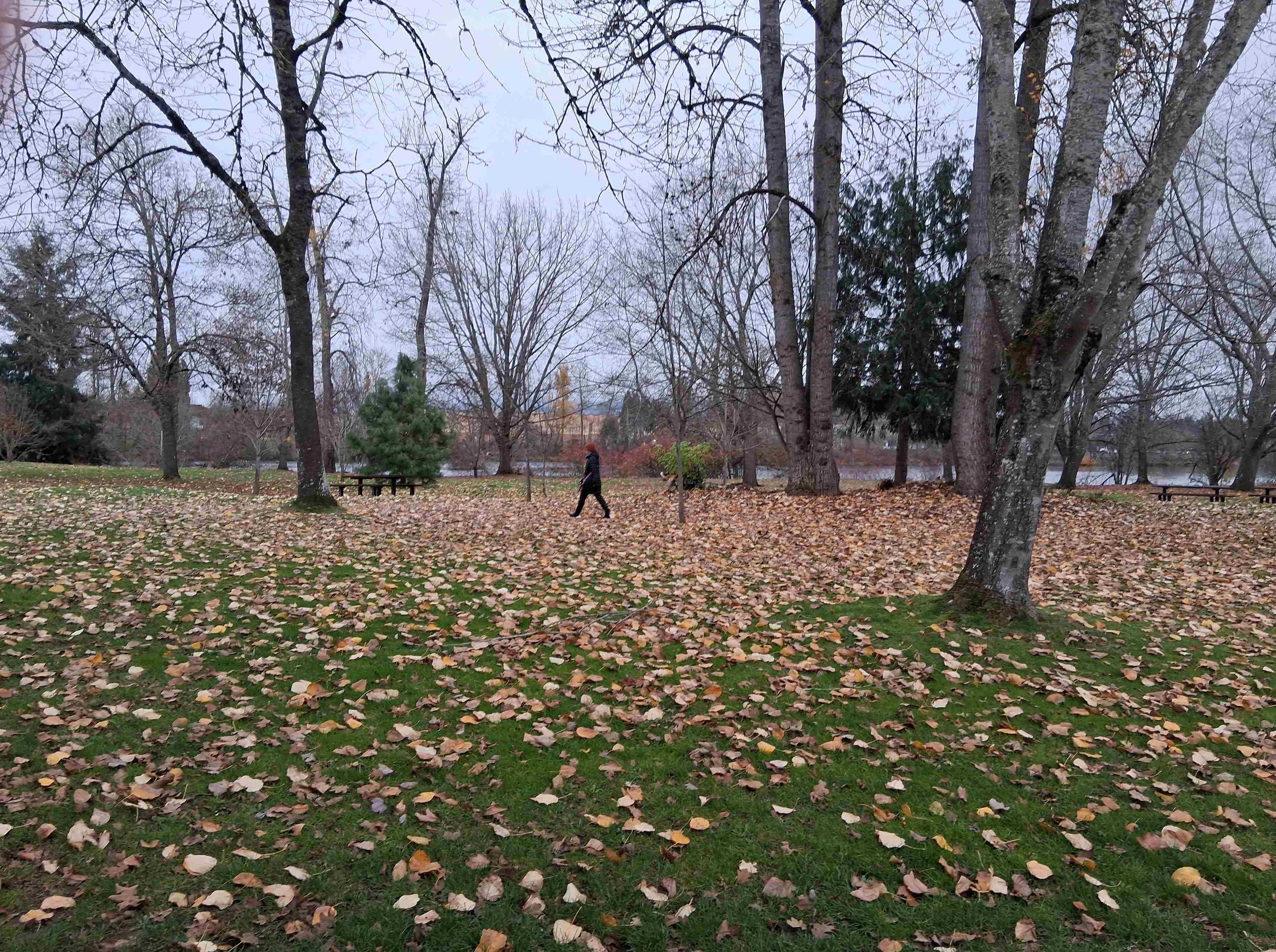
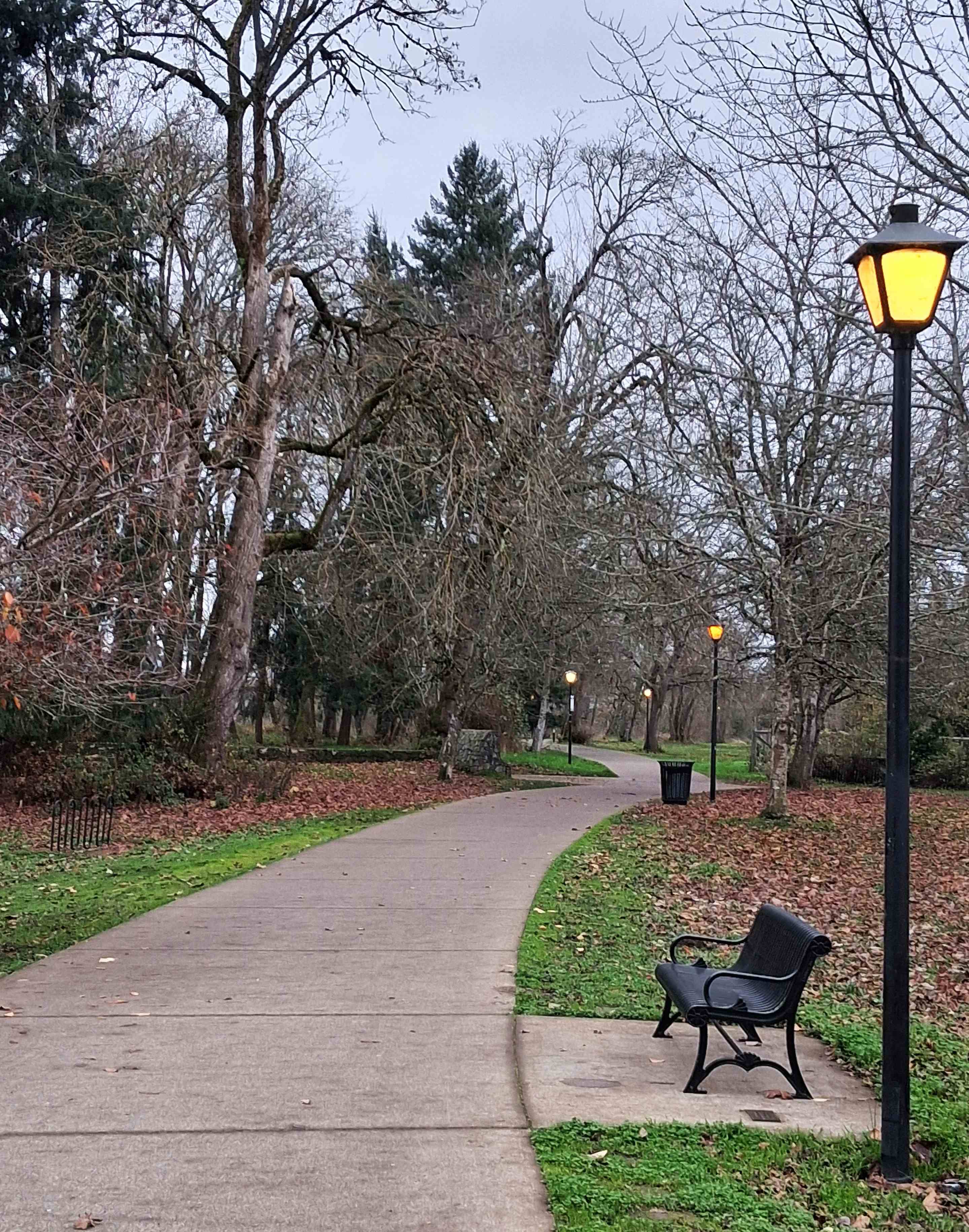
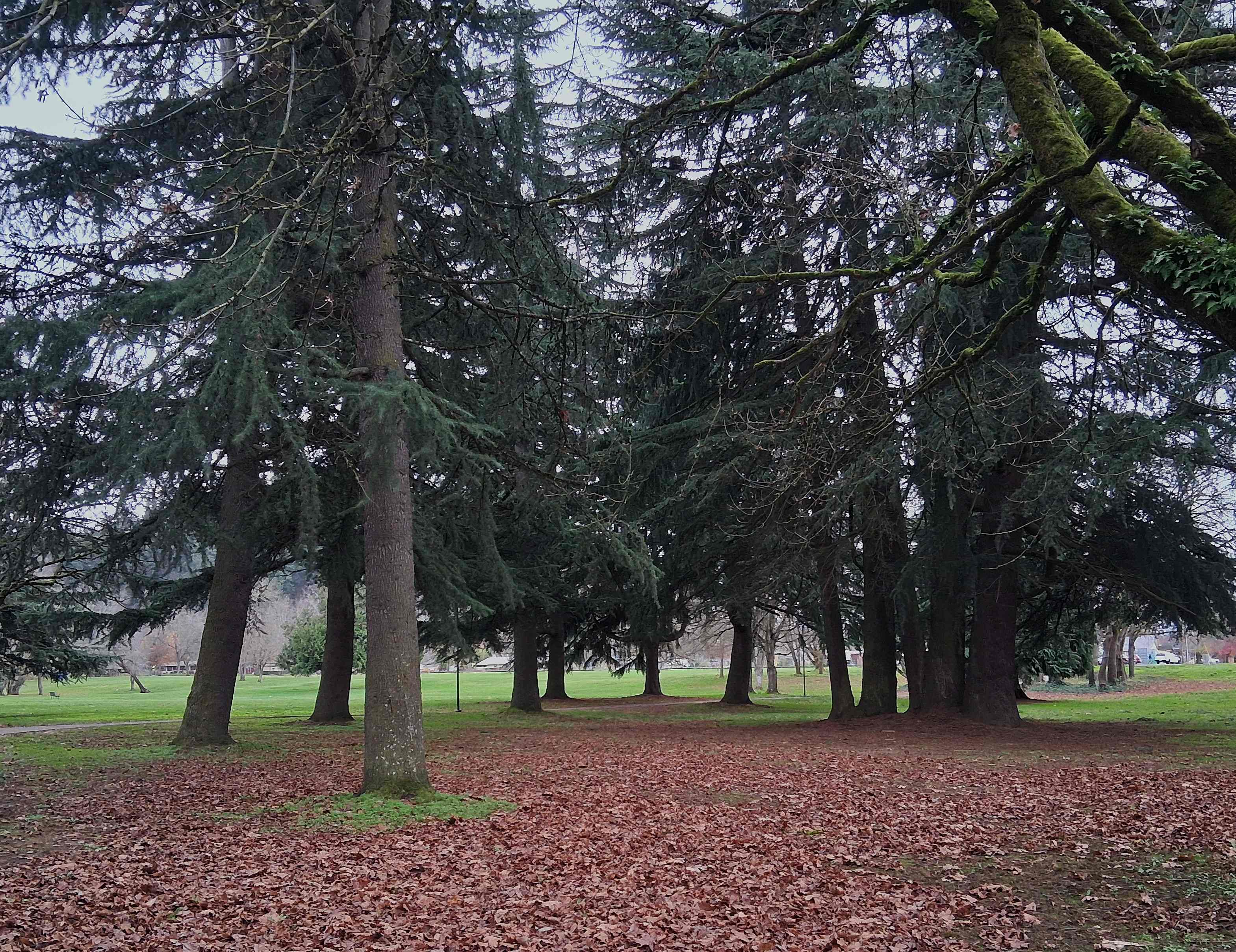
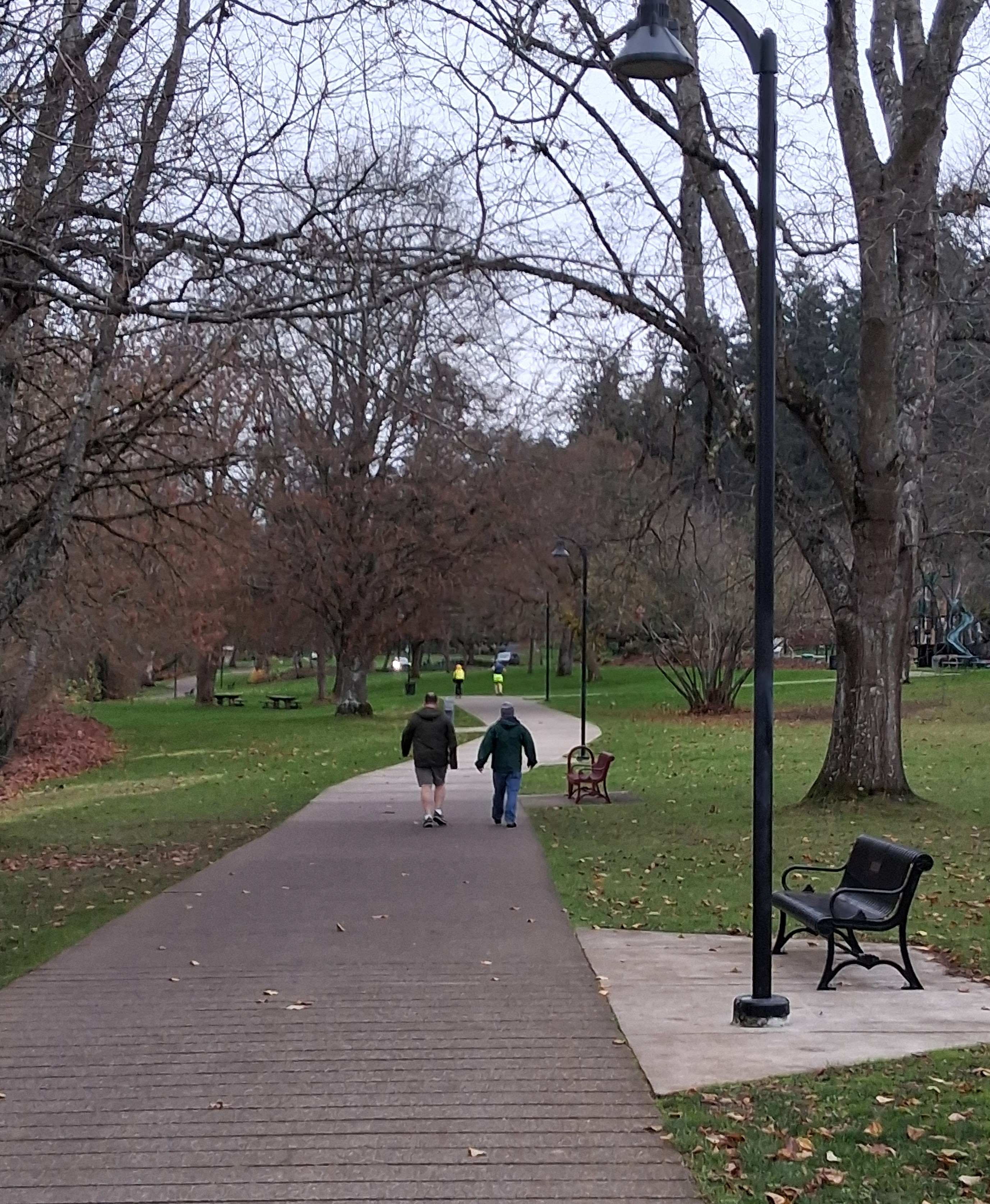
Defazio Bridge Over To Alton Baker ParkAlton Baker Park Lagoon And SpillwayNorth Bank Of The Willamette River Under The Ferry St. BridgeUnder Ferry Street BridgeNorth Bank Trail by McMenaminsUnder I-205 BridgeGreenway BridgeSweetgum Tree Along South Bank TrailMorning WalkTrail Near Eugene Parks Outdoor CenterCedar GroveSouth Bank Trail Toward Skinner Butte
Having first written the journal entry below, I’m coming back to acknowledge that it may have some value for the uncounted number of people who struggle to create and maintain healthy romantic relationships, but it is myopic at the same time. The greater value in understanding and incorporating unconditional love into our lives is to apply the principles of acceptance and respect to ALL our human relationships! I am reminding myself daily to not judge others near and far, but rather to accept that everyone . . . everyone is involved in their own struggle through life.
JOURNAL ENTRY
The following comes from Psychology Today: ” When love is unconditional, these three signs are usually present. 1) When your partner loves you unconditionally, they love the version of you that’s right in front of them. There’s no secretly hoping that you’ll change with time, no ideal version they’re waiting on; 2) A lot of love is lost in the expectation of having it returned . . . Keeping score doesn’t help . . . this type of love turns bitter and eventually falls apart; and 3) When your partner thinks of the relationship and what would make you happy before their own ego, pride, and selfish desires, it shows more than just commitment. Feeling completely safe to be yourself around your partner and experiencing a deep emotional connection without fear of judgment is one of the biggest signs of unconditional love.”
[Psychology Today continues . . . ]
“A 2020 study published in Frontiers in Psychology proposed a comprehensive theory of love, identifying four core factors— attraction, connection, trust, and respect—that interact to create lasting love . . . Among the four essential components of love, the roles of trust and respect are especially important for creating emotional safety and prioritizing a partner’s happiness.”
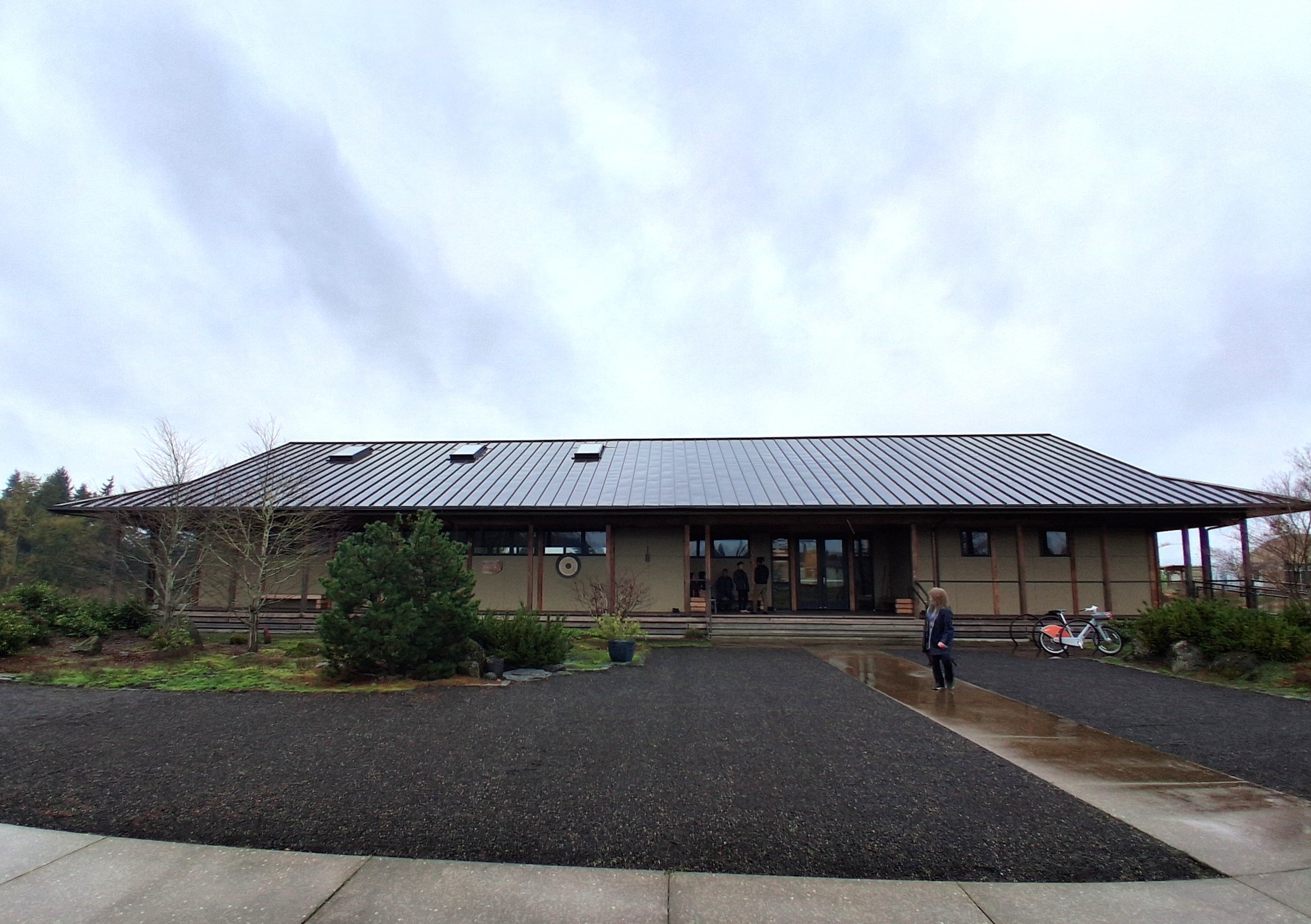
I spent this past Sunday with my daughter Yukyo at the Dharma Rain Zen Center in Portland, OR. Yukyo (her given name was Emily) is a resident at Dharma Rain and a student of Soto Zen Buddhism. The monestary was co-founded by Kyogen (Gary) Carlson with his wife Gyokuko Carlson in 1986. Kyogen had this to say about his Buddhist practice: “There is so much to learn and so much to know. It’s good to keep moving forward. And yet, whatever we have is, in a very profound way, absolutely complete and always enough.”
Most Sunday mornings at the Zen Center, following meditation, a Dharma Talk (a lesson or teaching) is given by an experienced member of the community. On this particular day the topic was Seeking Refuge. It began with a parable known as the Gift Fulfilling Jewel.
In this parable, two old friends, one wealthy and one poor, are eating and drinking wine together. The poor man drinks himself into a stupor and falls asleep. Early the next morning, the wealthy one must leave on business. Before he leaves, the wealthy friend sews a priceless jewel inside of the robe of his poor friend, who is still asleep. Later, the wealthy man comes across his friend, who is still living in poverty. He points out to his poor friend that all this time there has been a priceless gem hidden inside his robe and that he did not have to be living in poverty.
This parable shows, in simple terms, the principle that every human is endowed with infinite potential and inestimable worth. It teaches us that the key to overcoming the constraints of our present reality, whatever they may be, lies within ourselves.
[Photos Max Vollmer, Click on any image to enlarge]
To live content with small means; to seek elegance rather than luxury, and refinement rather than fashion; to be worthy, not respectable; and wealthy, not rich; to study hard, think quietly, talk gently, act frankly… this is my way. (Anonymous)

 Max Vollmer, Click on any image to enlarge]