Mary’s Peak is the highest point in the Coast Range. I hiked around the summit with Kat Jenison on a day when the peak was above a heavy cloud bank. A memorable day. [Photos  Max Vollmer, Click on any image to enlarge]
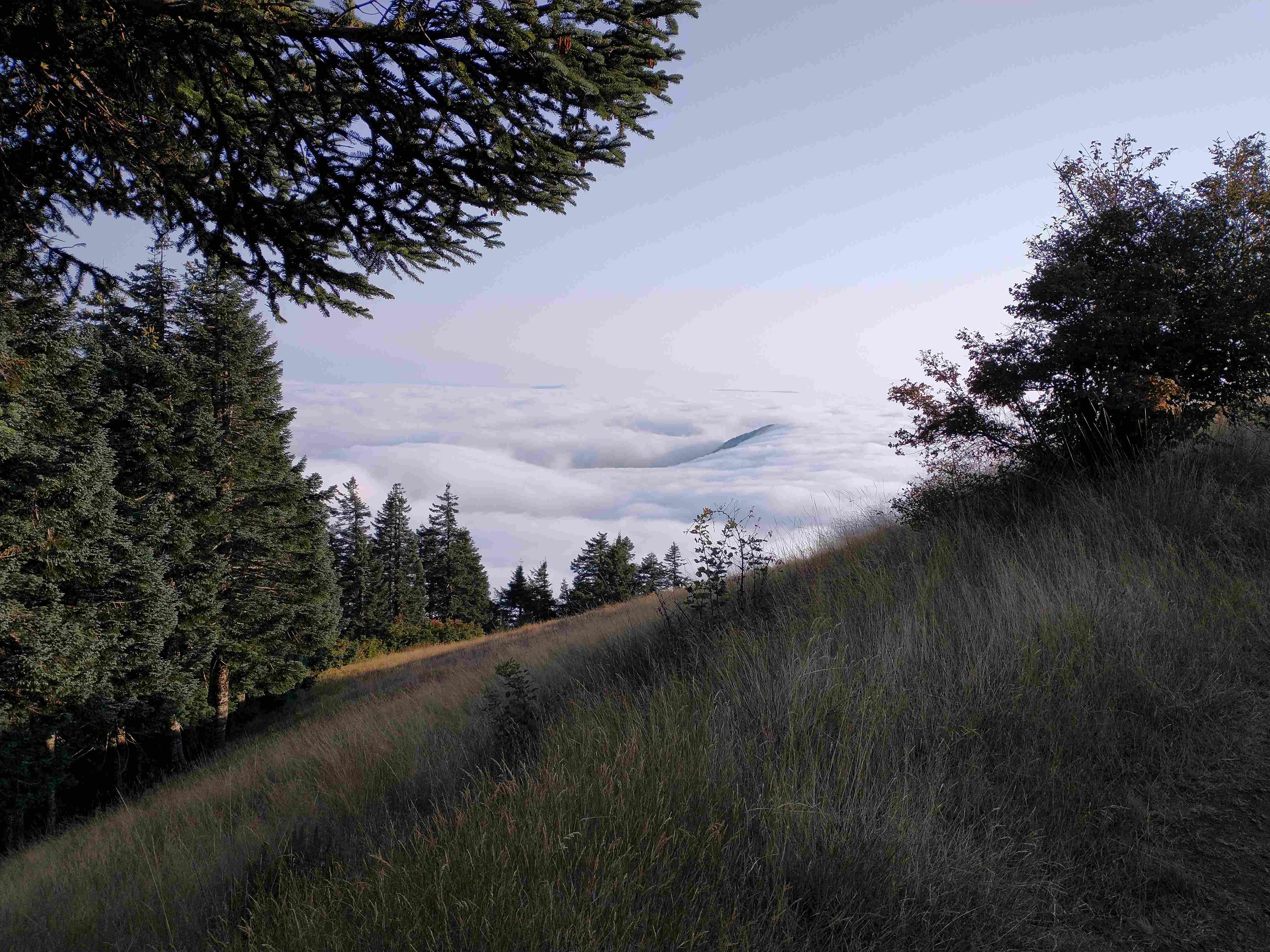
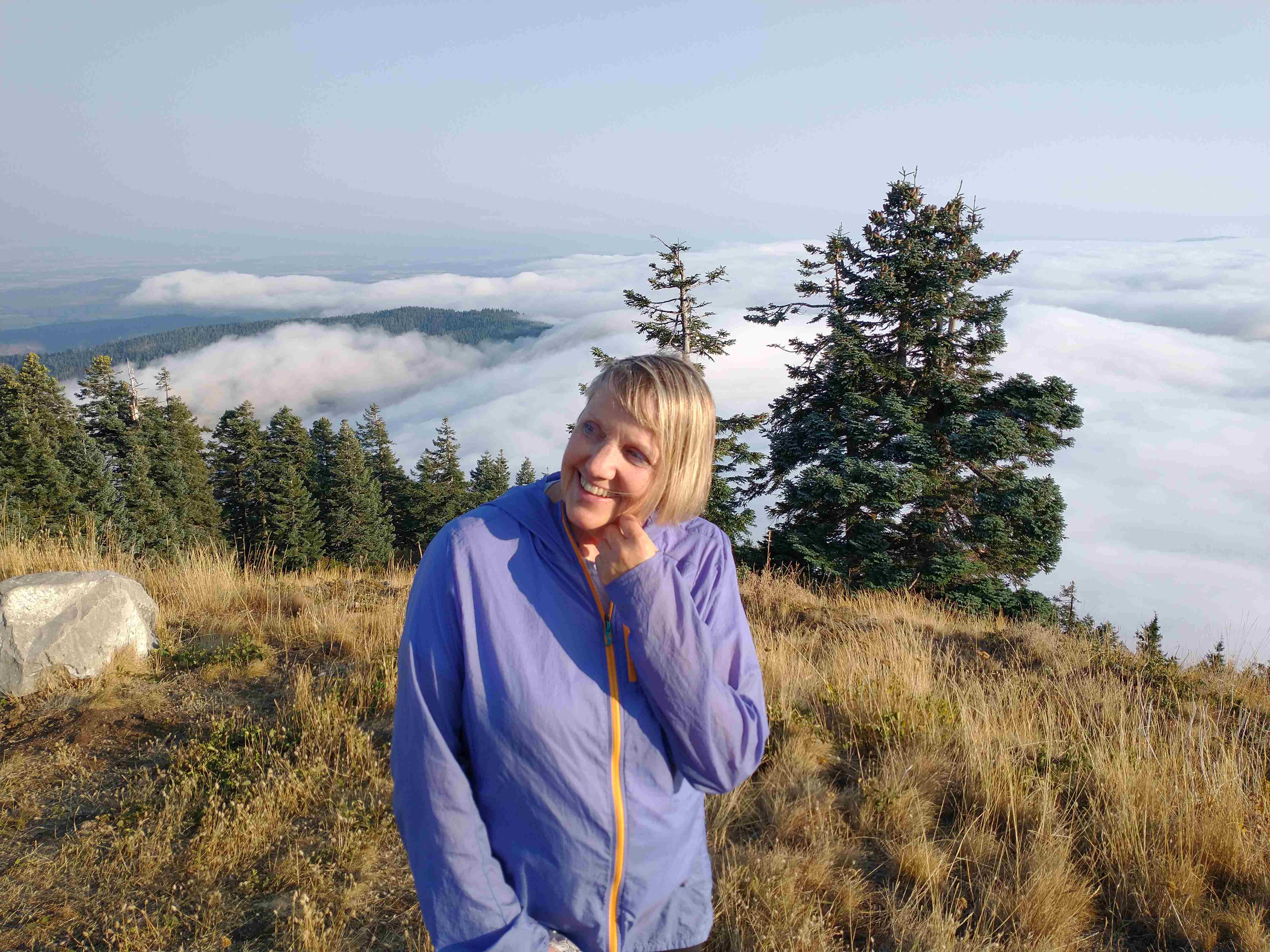
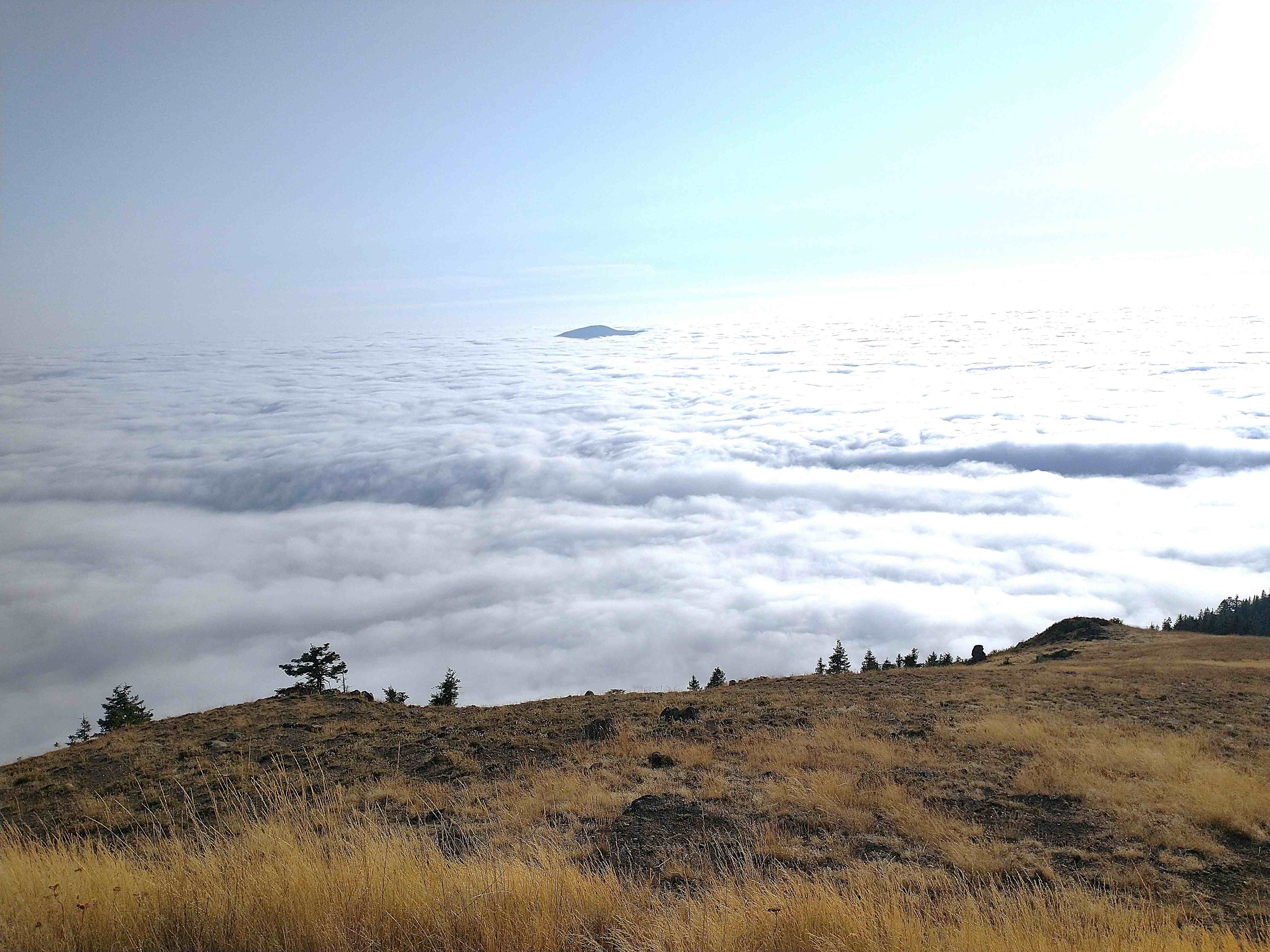

Mary’s Peak is the highest point in the Coast Range. I hiked around the summit with Kat Jenison on a day when the peak was above a heavy cloud bank. A memorable day. [Photos Max Vollmer, Click on any image to enlarge]
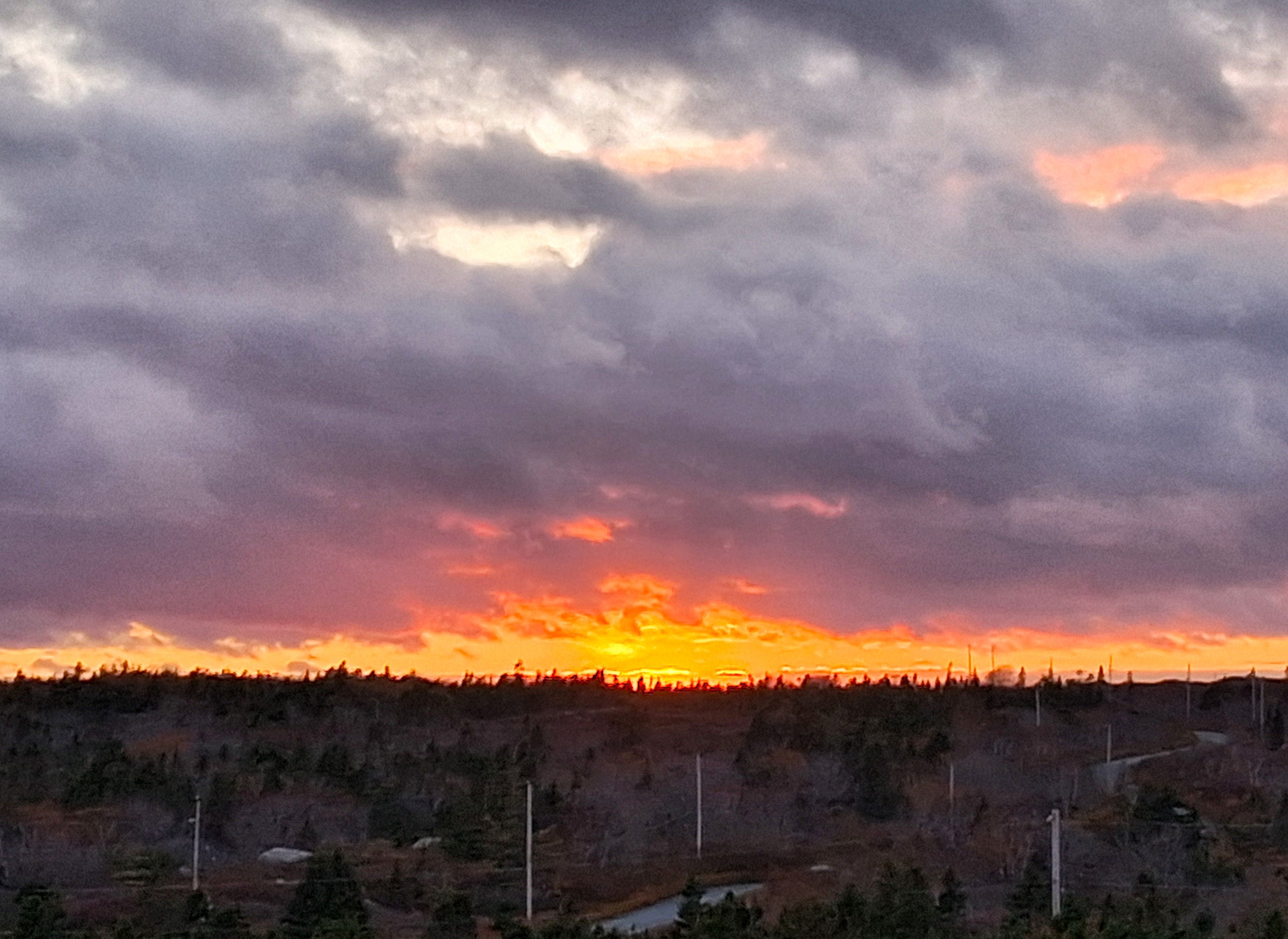
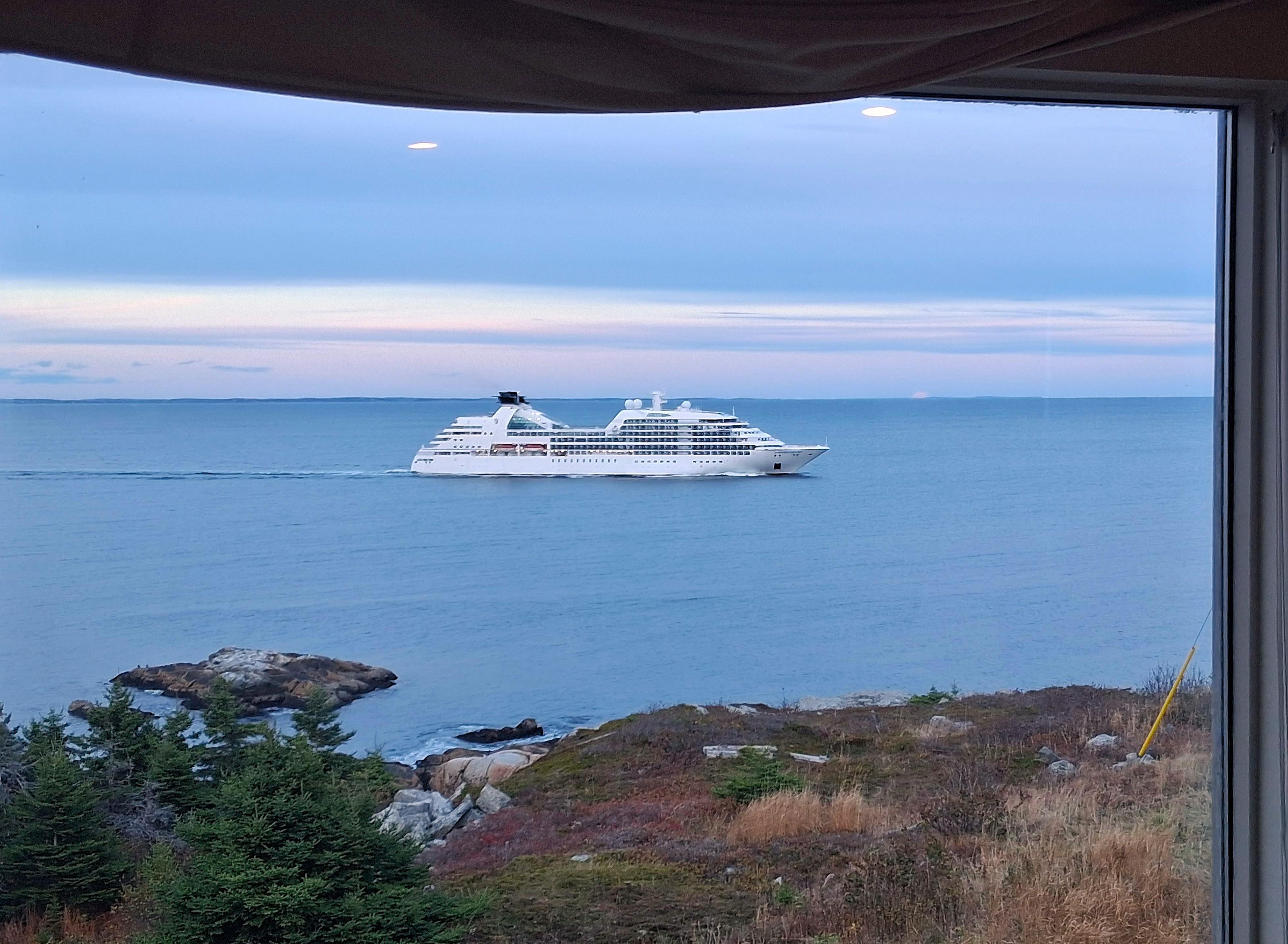
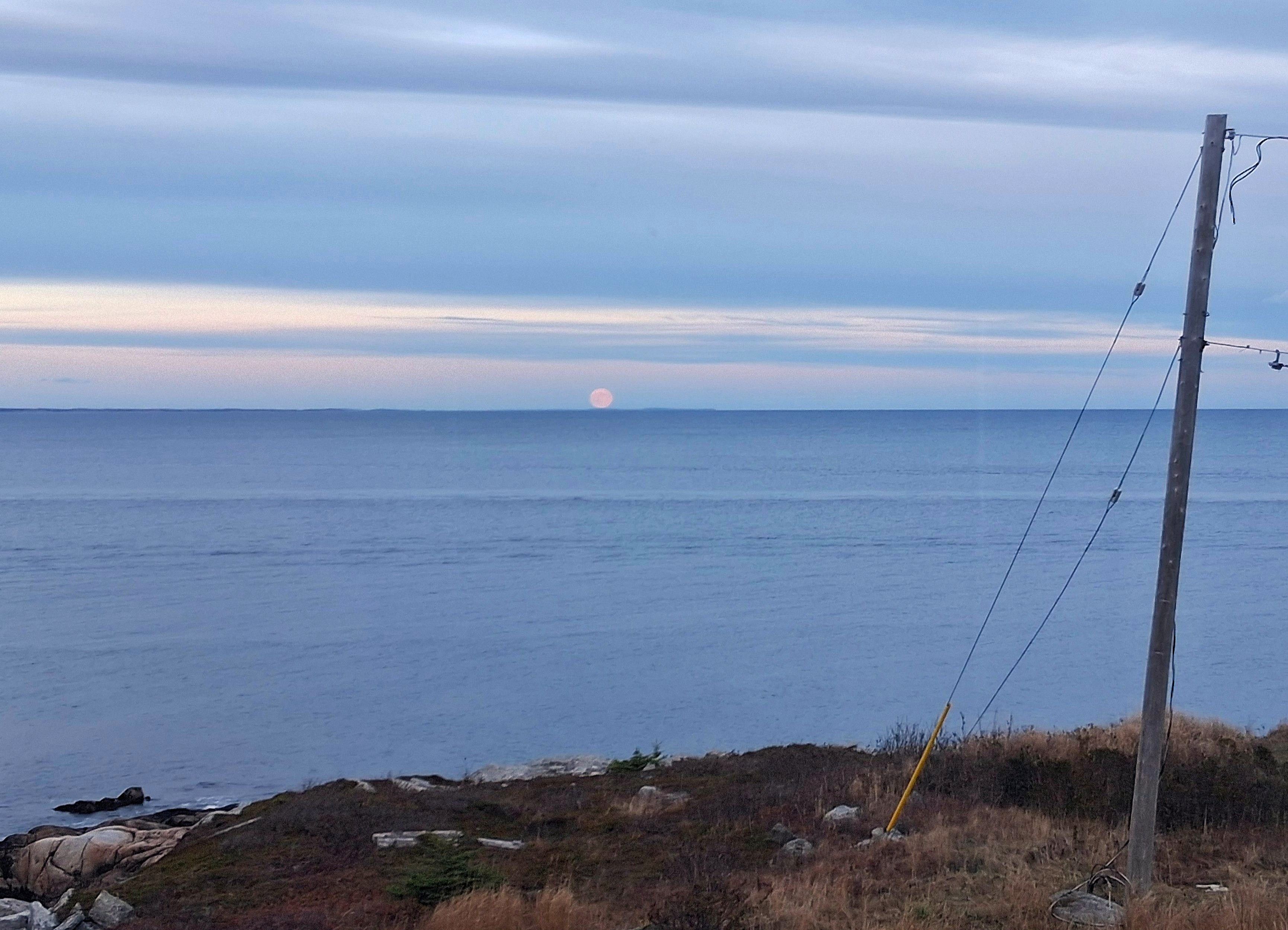
Clouds will bring rain tomorrow, but this evening there was a sunset that looked like the interior of the island was on fire, and a full moon rose at virtually the same time across the harbor. For me, this signified balance and harmony. I spotted the moonrise on the horizon because a tour ship passing in front of Karl’s house caught my attention just as a slice of moon appeared over the water to the east. Can you spot it? [All photos Max Vollmer, Click on any image to enlarge]
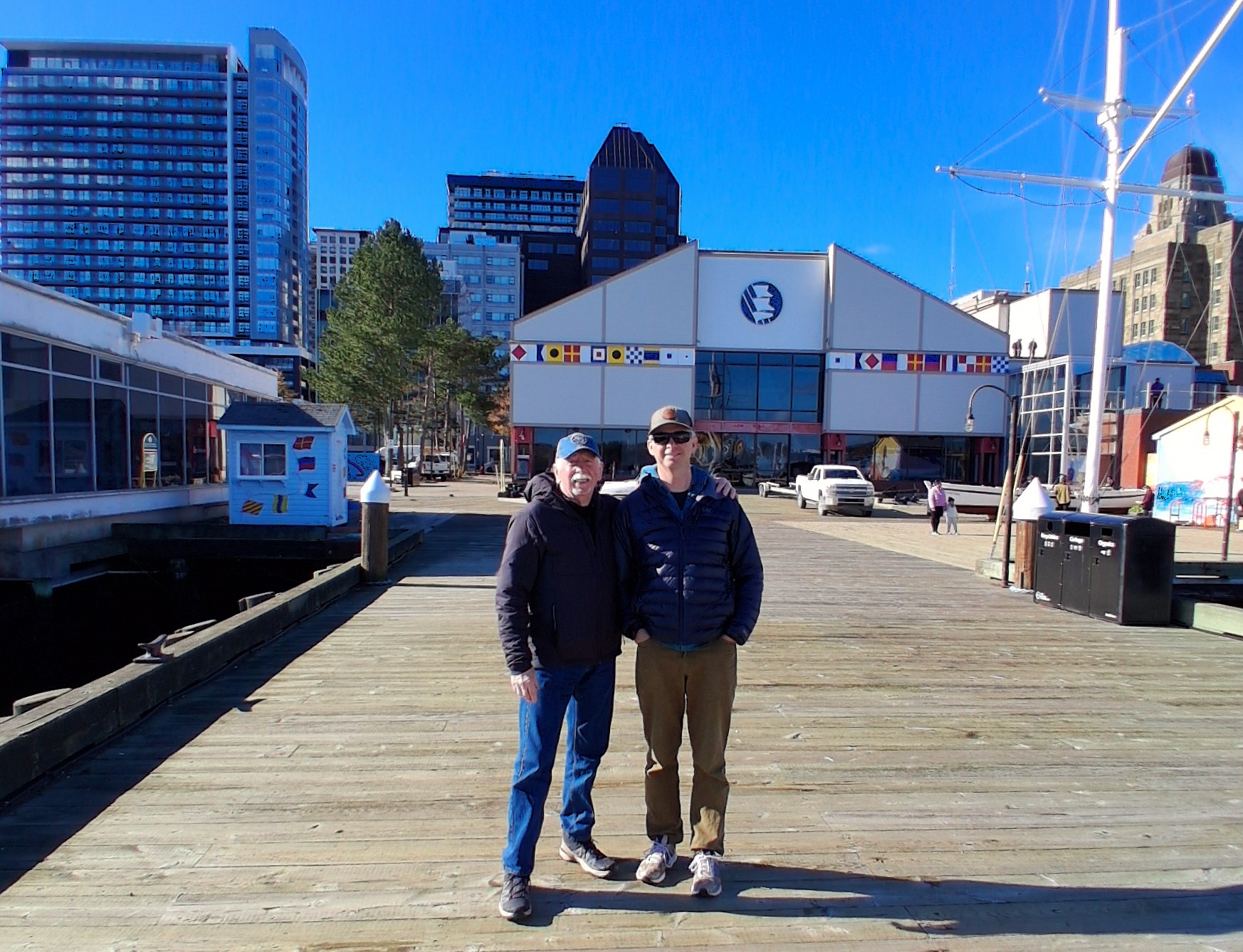
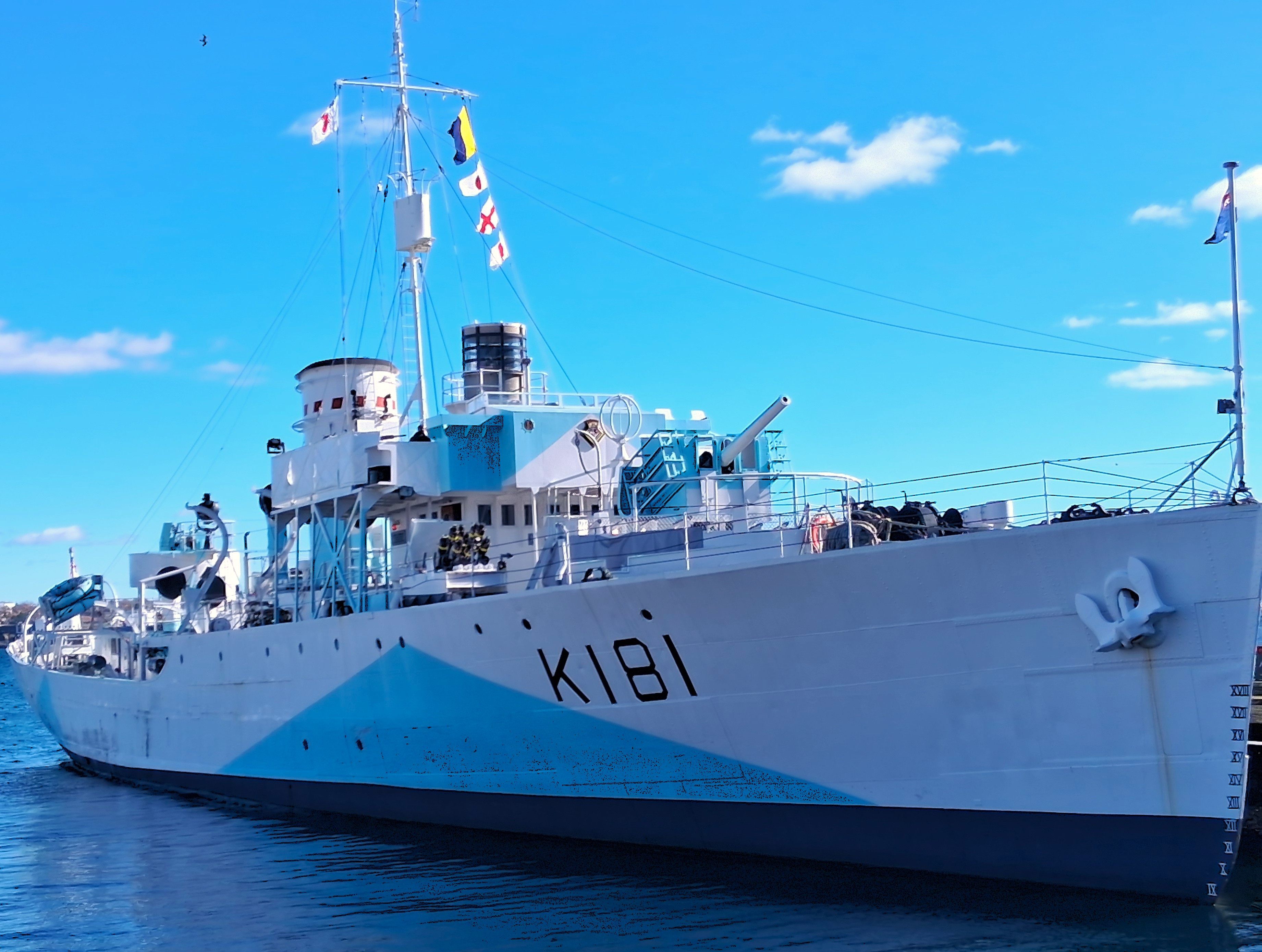
Karl and I visited the Maritime Museum on the downtown waterfront today. It has indoor and outdoor exhibits covering virtually every aspect of travel on the water, from the birch bark canoes made by the indigenous Mi’kmaq people long before the arrival of Europeans, up to and including a scale model of an experimental, armed hydrofoil ship built in Halifax for the Canadian navy. (All photos Max Vollmer, Click on any image to enlarge]
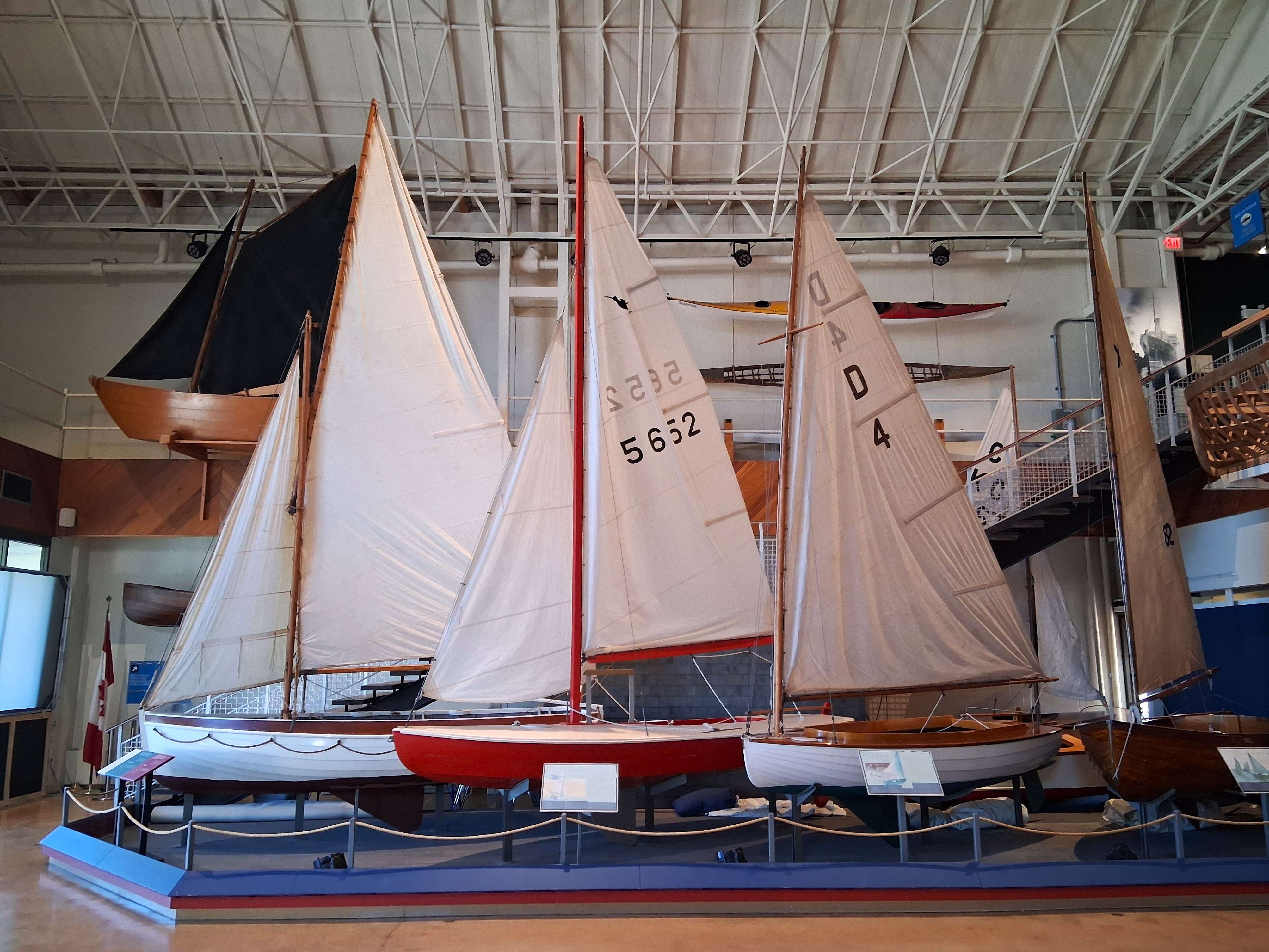
Inside, there are full size examples of small, wood, pleasure and working boats that illustrate differences related purpose and evolution over time.
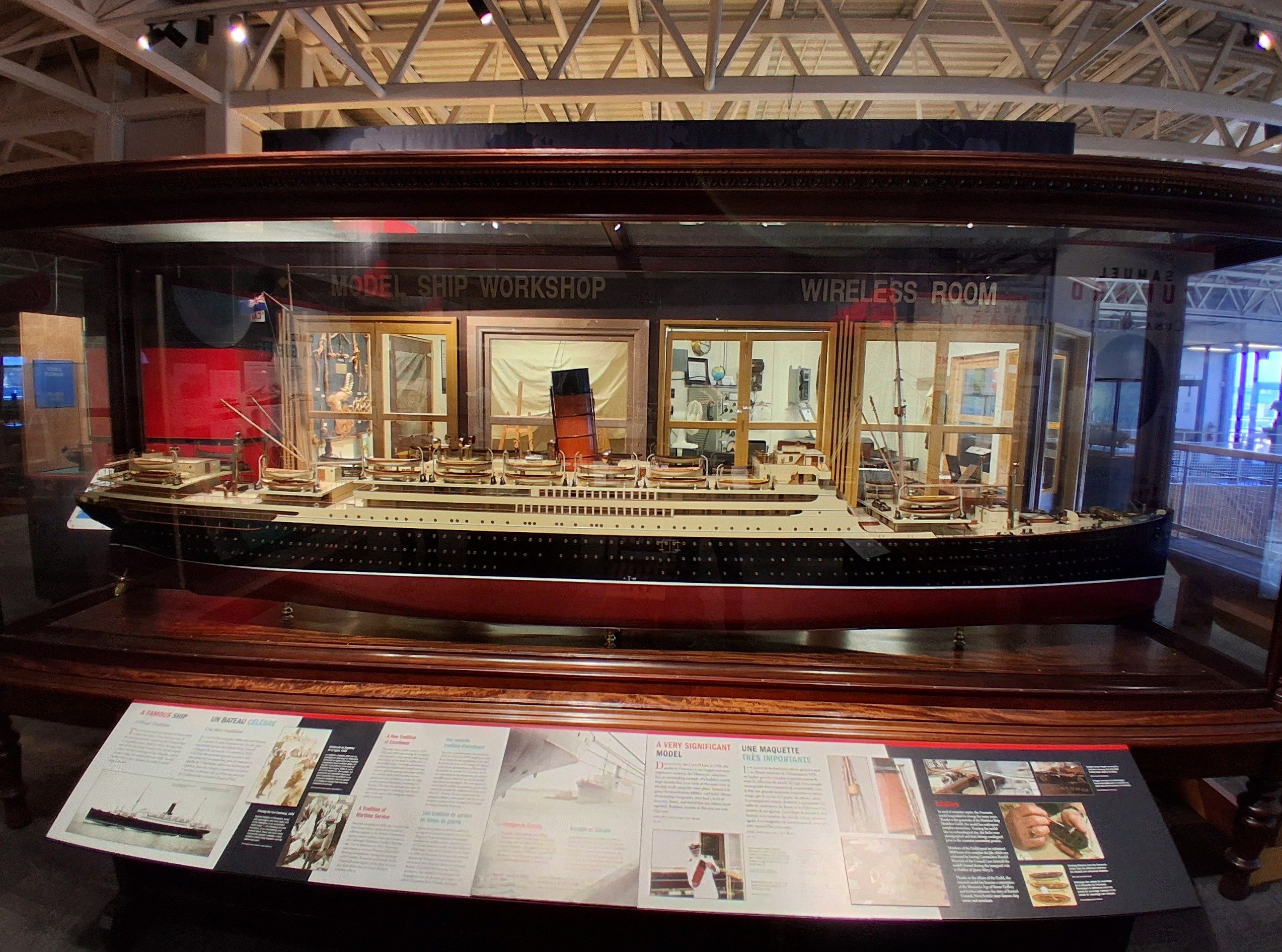
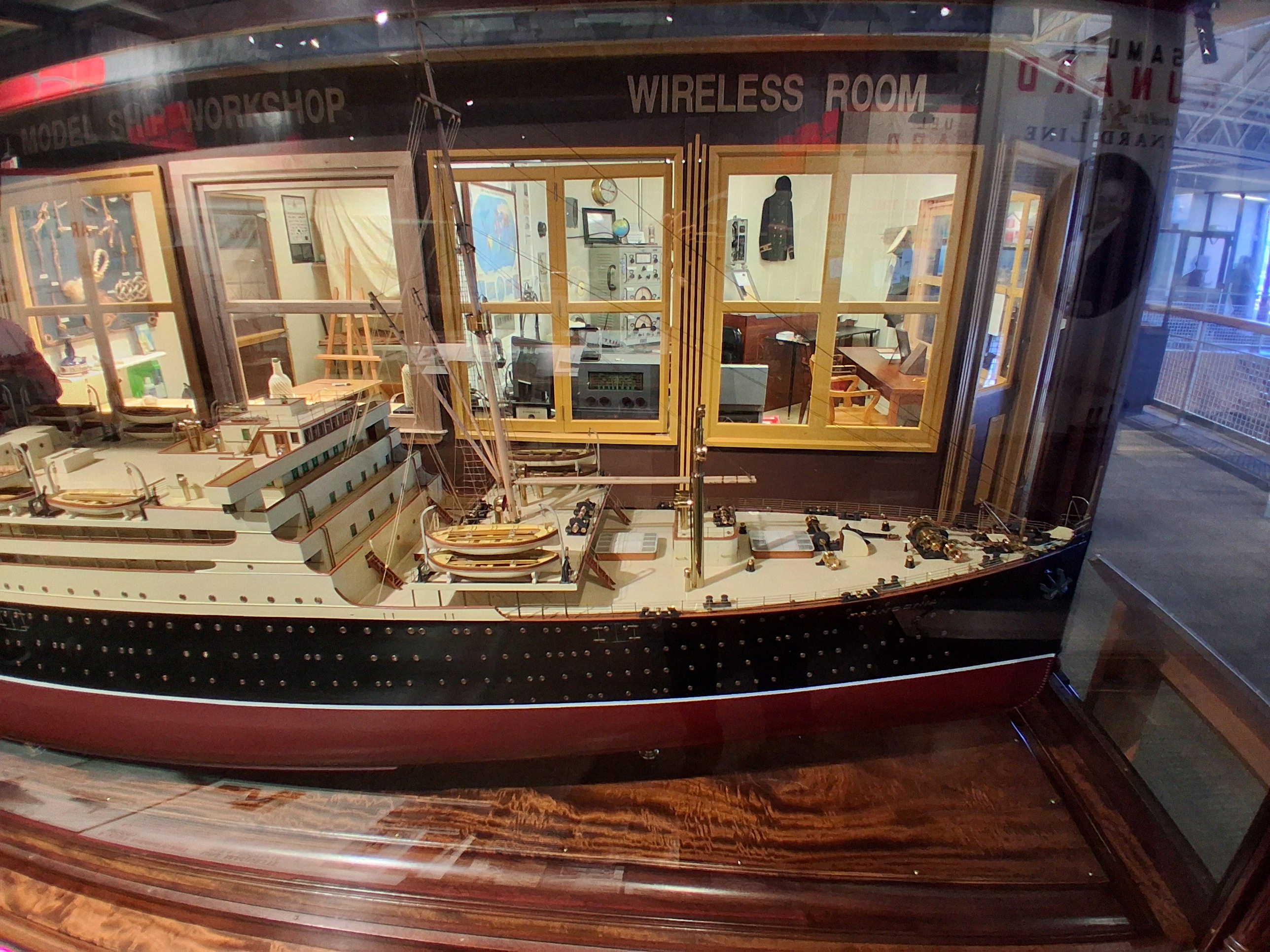
There are also exquisitely detailed, scale models of ships that served Halifax, like the White Star Lines, Mauritania, that plied the North Atlantic in peace and war. It was built for display in the company’s offices. The model is approx. 6 feet long.
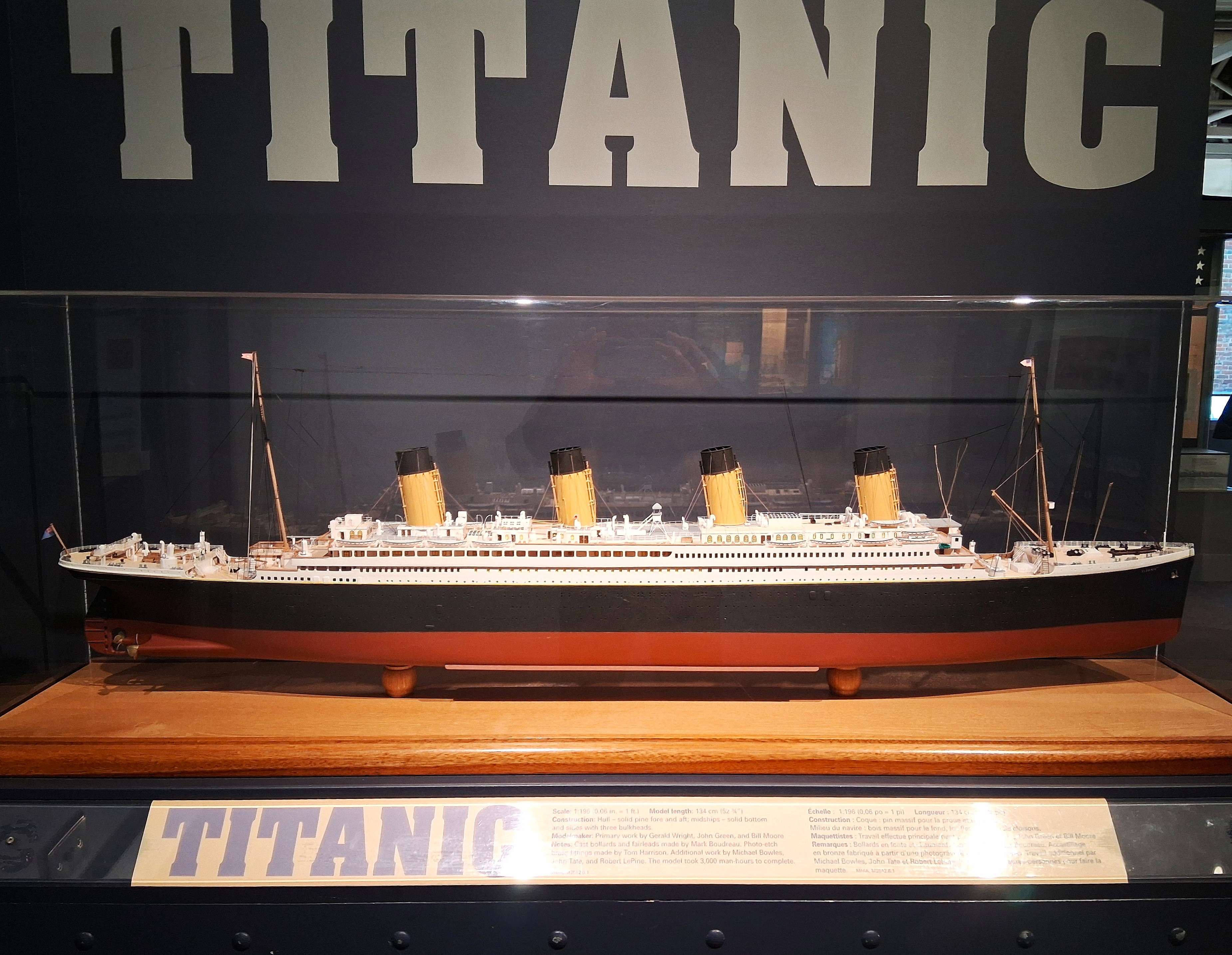
Halifax has a historic connection to the RMS Titanic. Although the ship was built in Belfast, Ireland, when she sank on her maiden voyage, rescue ships from Halifax went out to search for survivors. There are two cemeteries in the city where drowning victims from the disaster are interred. Her sister ship, the RMS Olympic, ferried thousands of Canadian and American troops from Halifax to Europe during WW I using the shortest route across the North Atlantic.
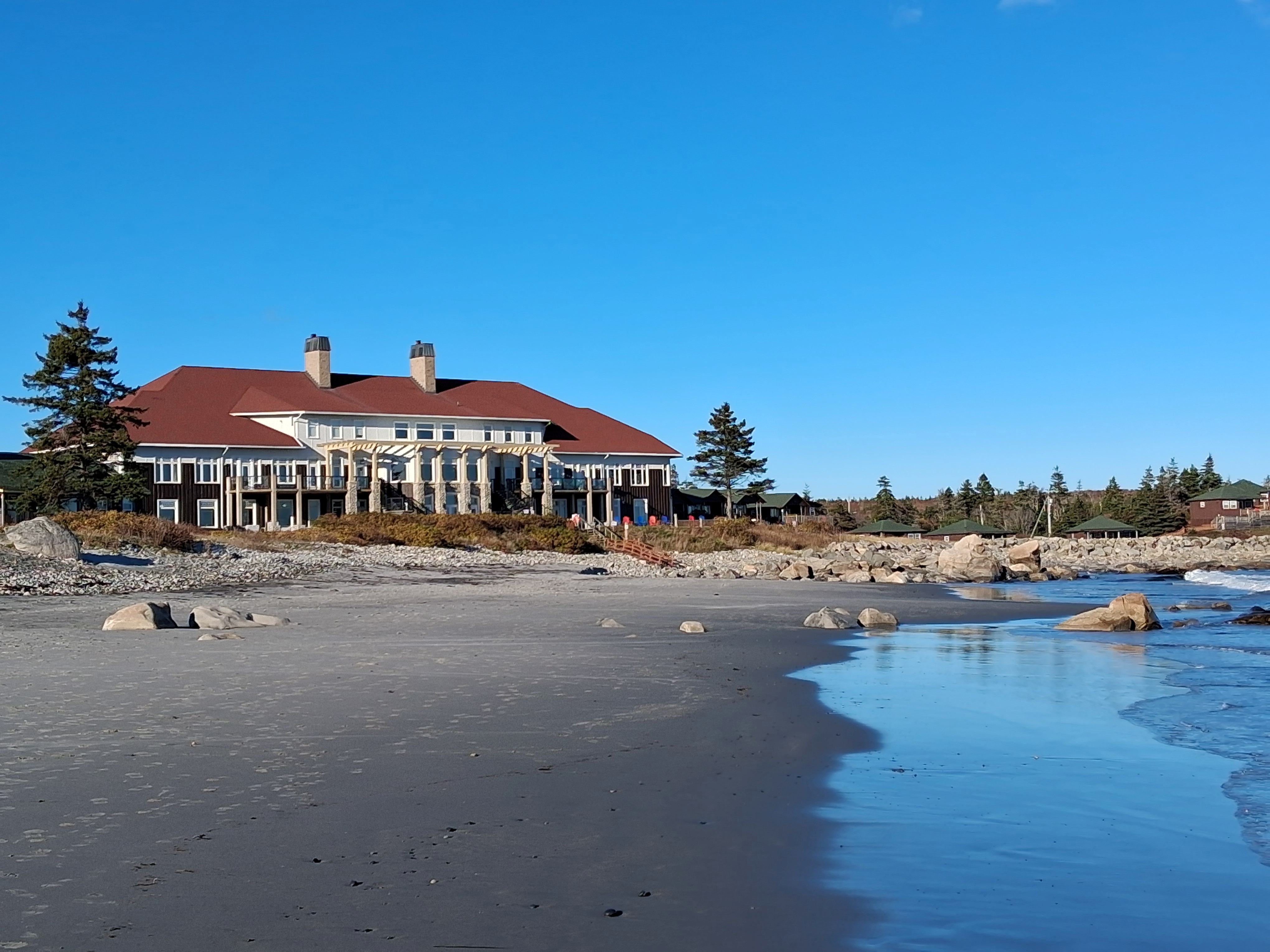
The south shore of Nova Scotia is known for its picturesque small towns where fishing is still an important part of local economies, and for its historic buildings, artist galleries, restaurants, surfing beaches and resorts. [All photos Max Vollmer, Click on any image to enlarge]
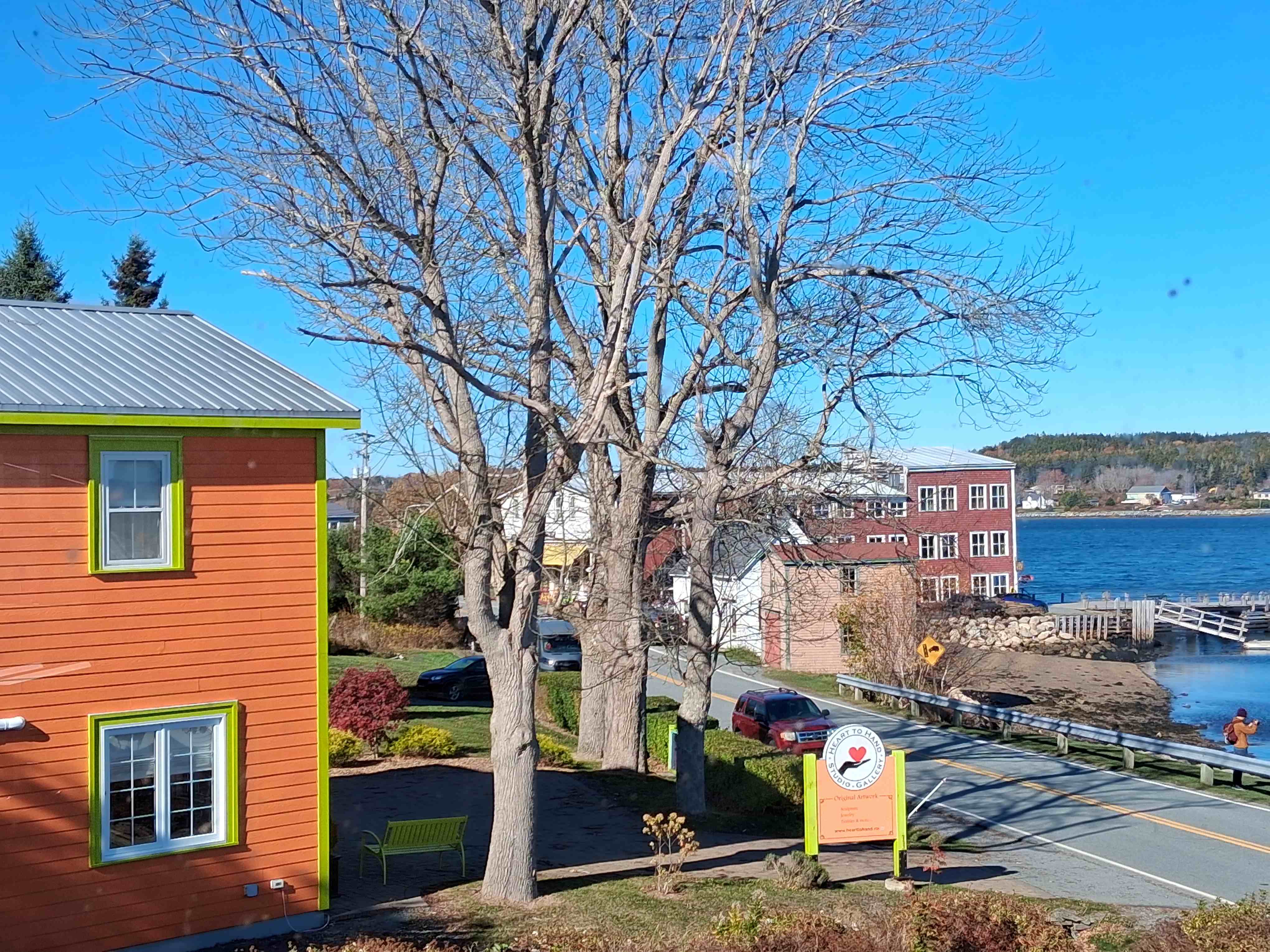
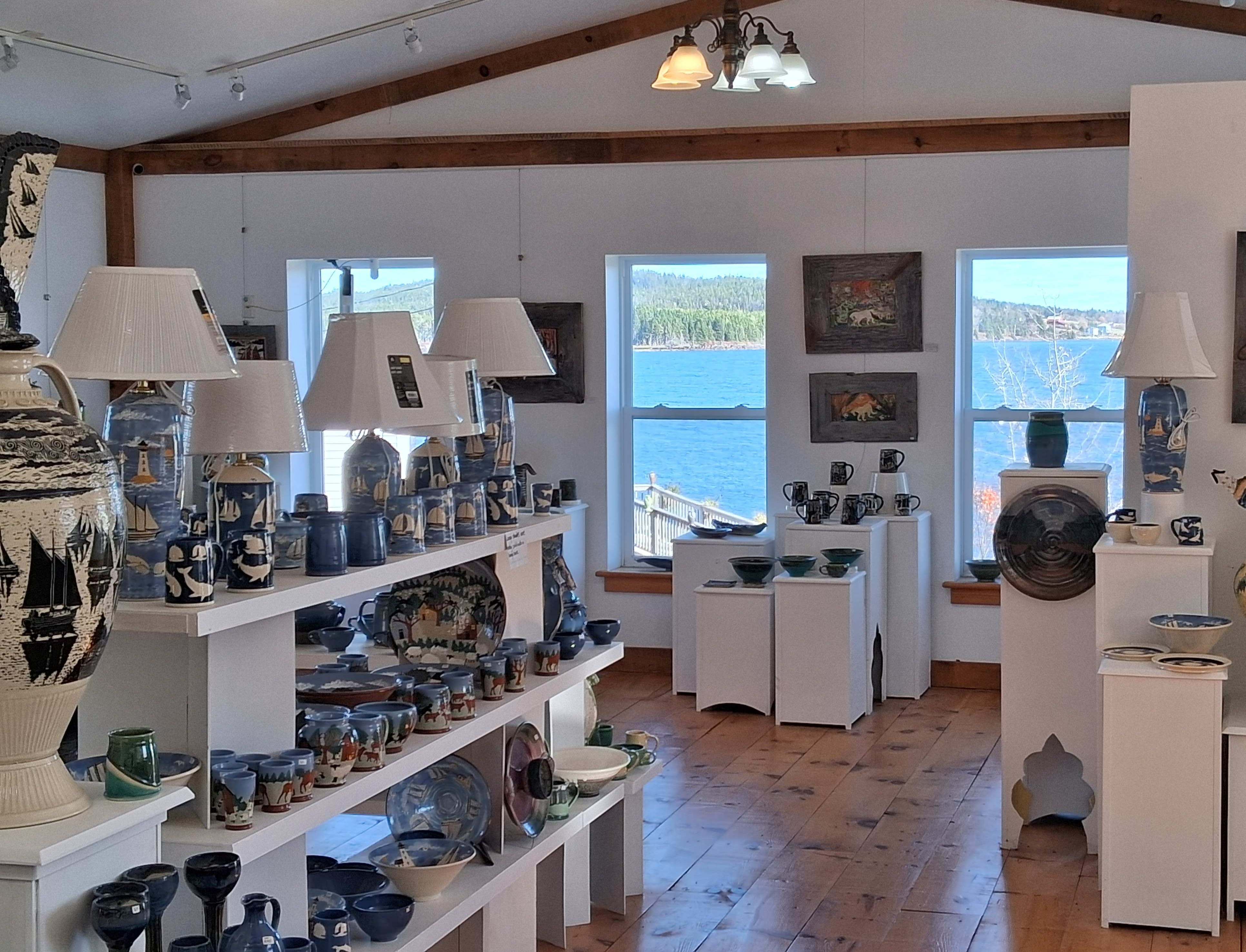
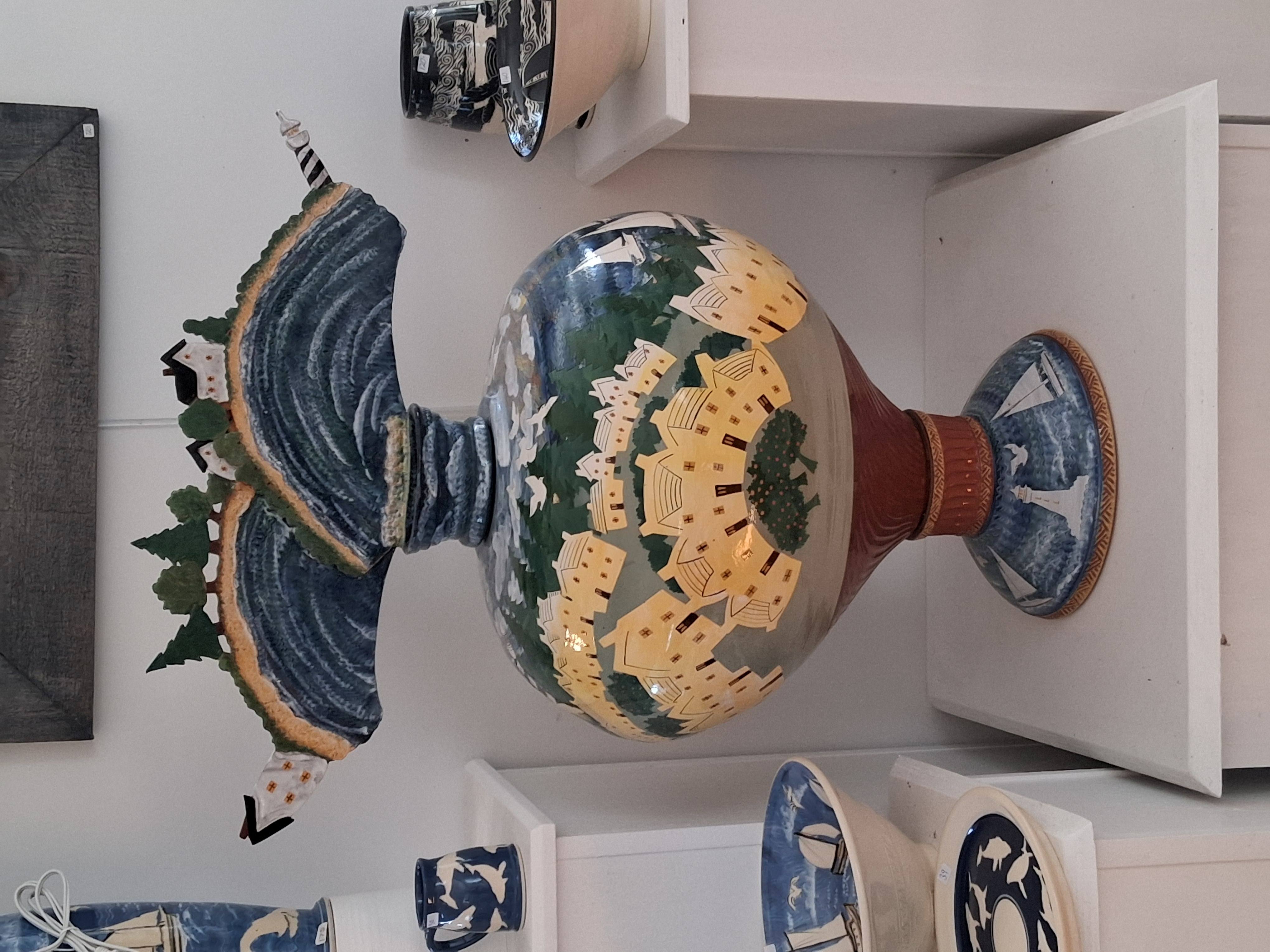
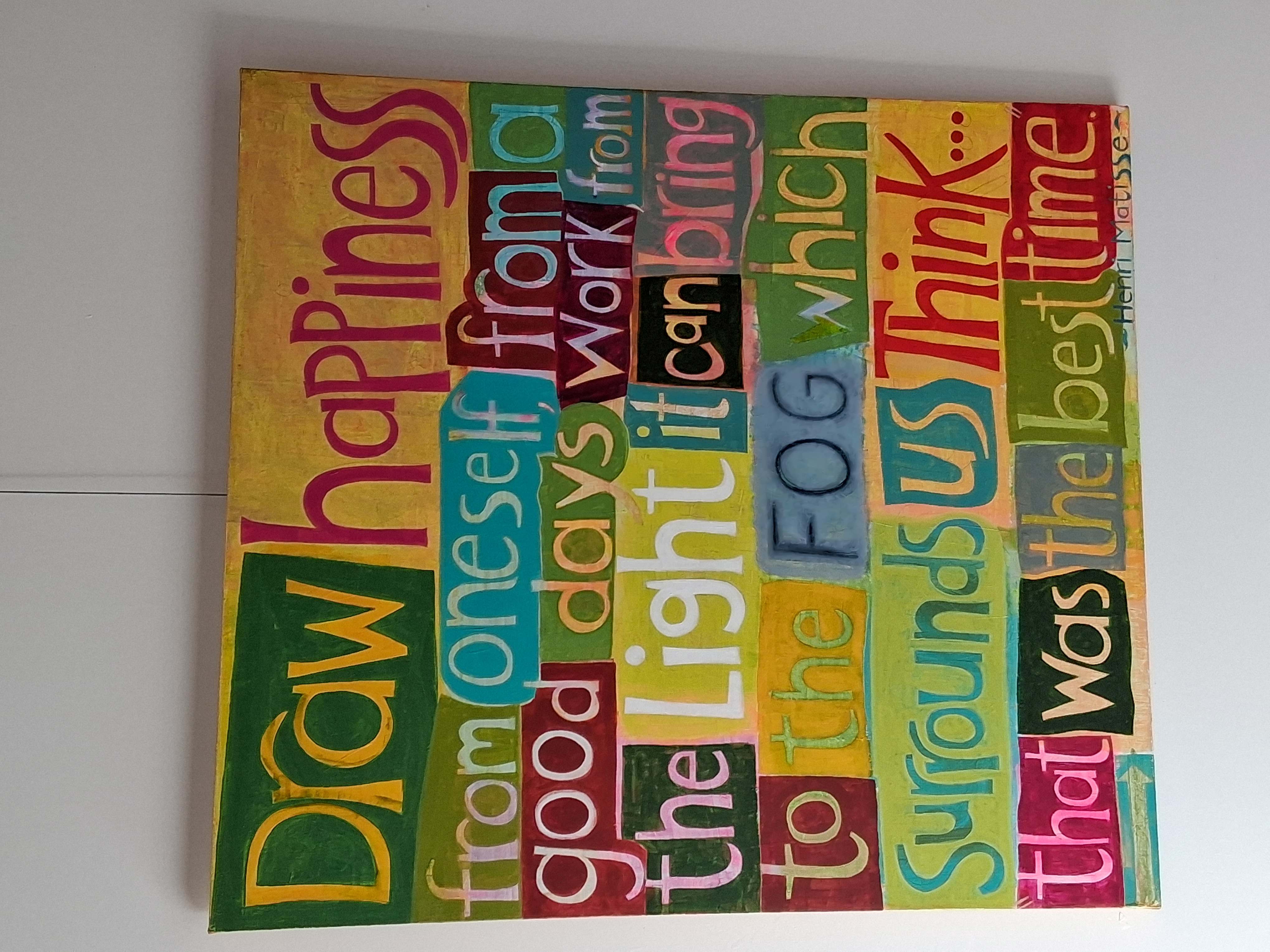
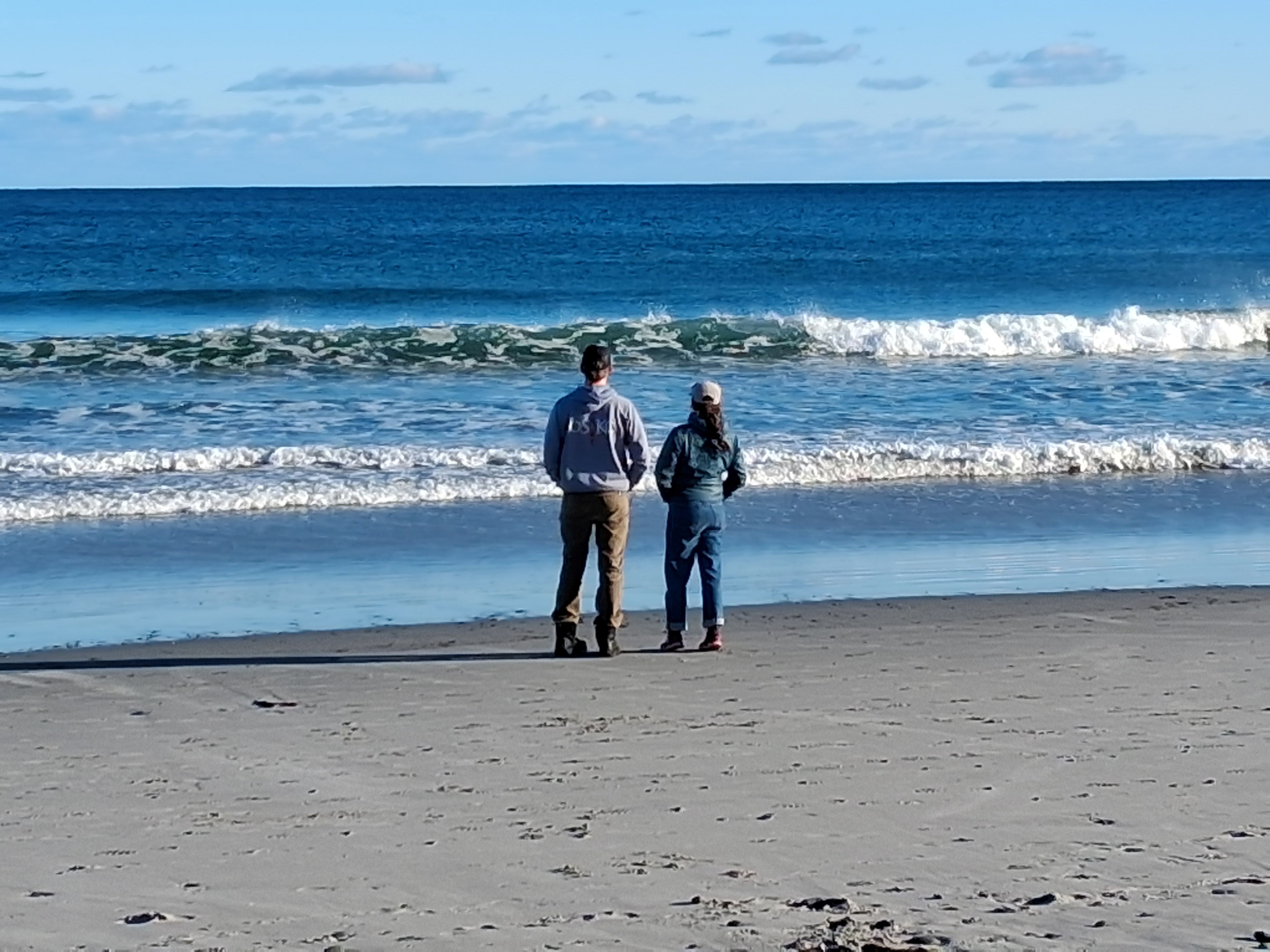
On Sunday, Karl, Stephi and I had dinner at the historic White Point Inn. Beaches there and nearby attract surfers from as far away as Halifax when the waves are good.
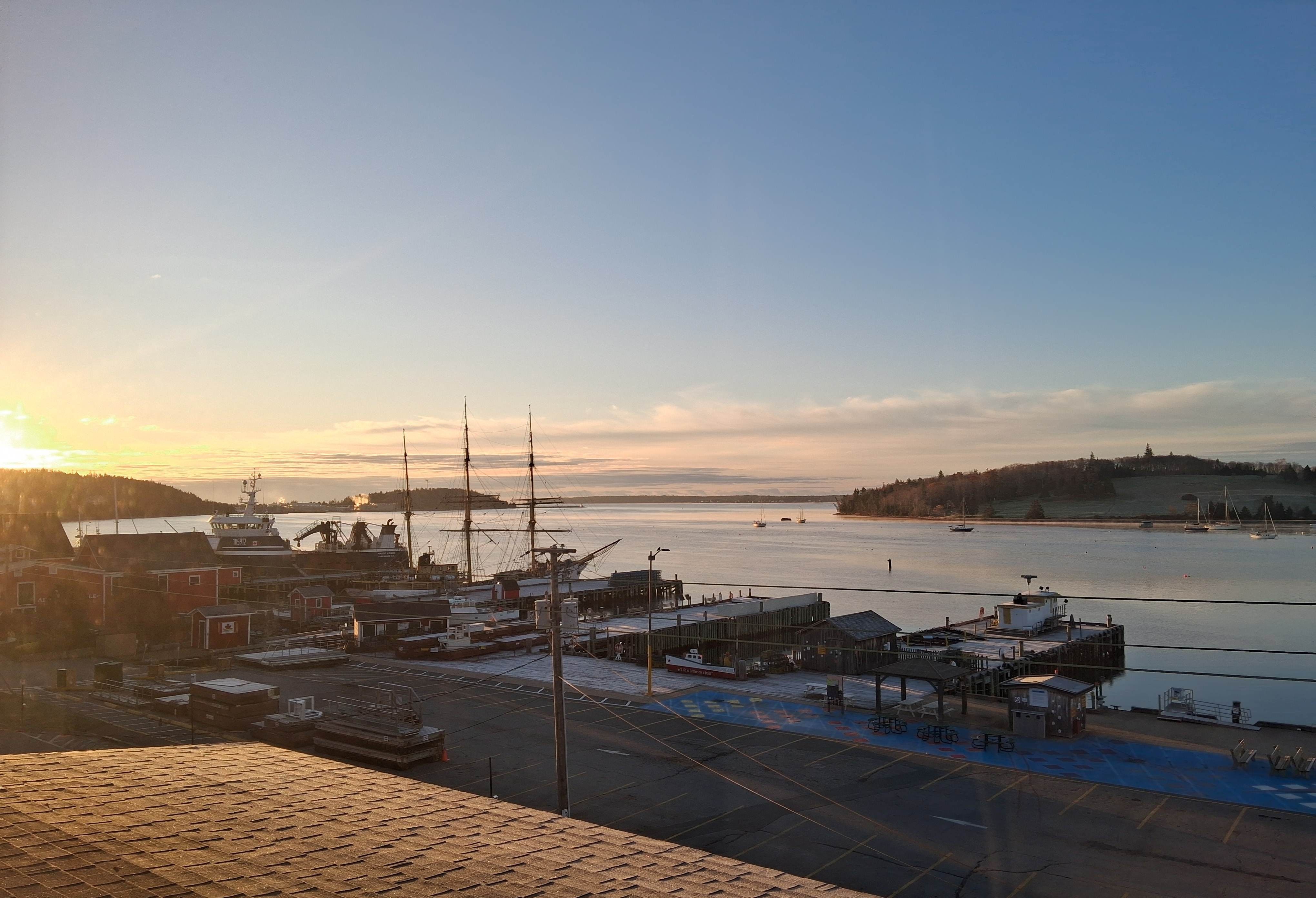
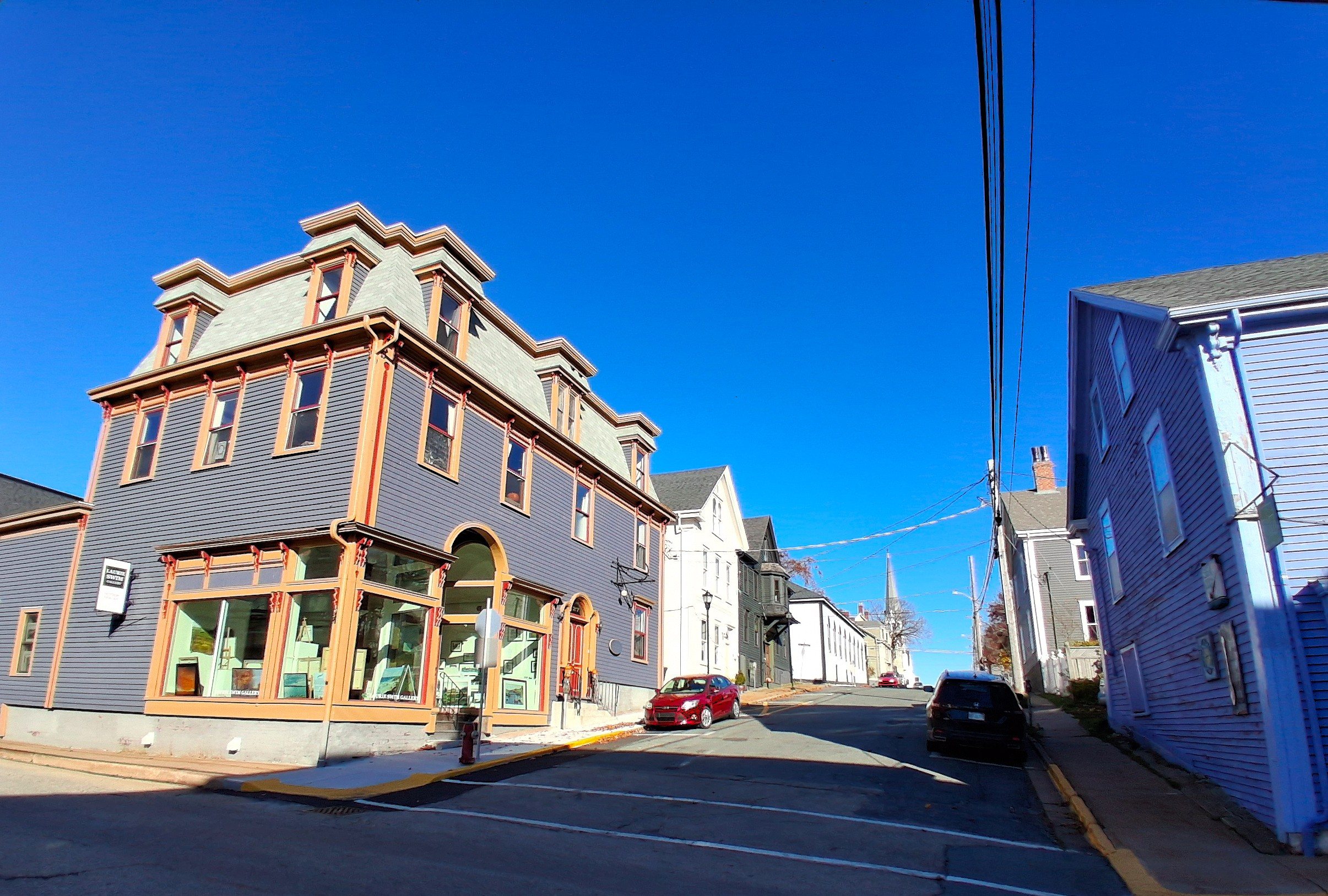
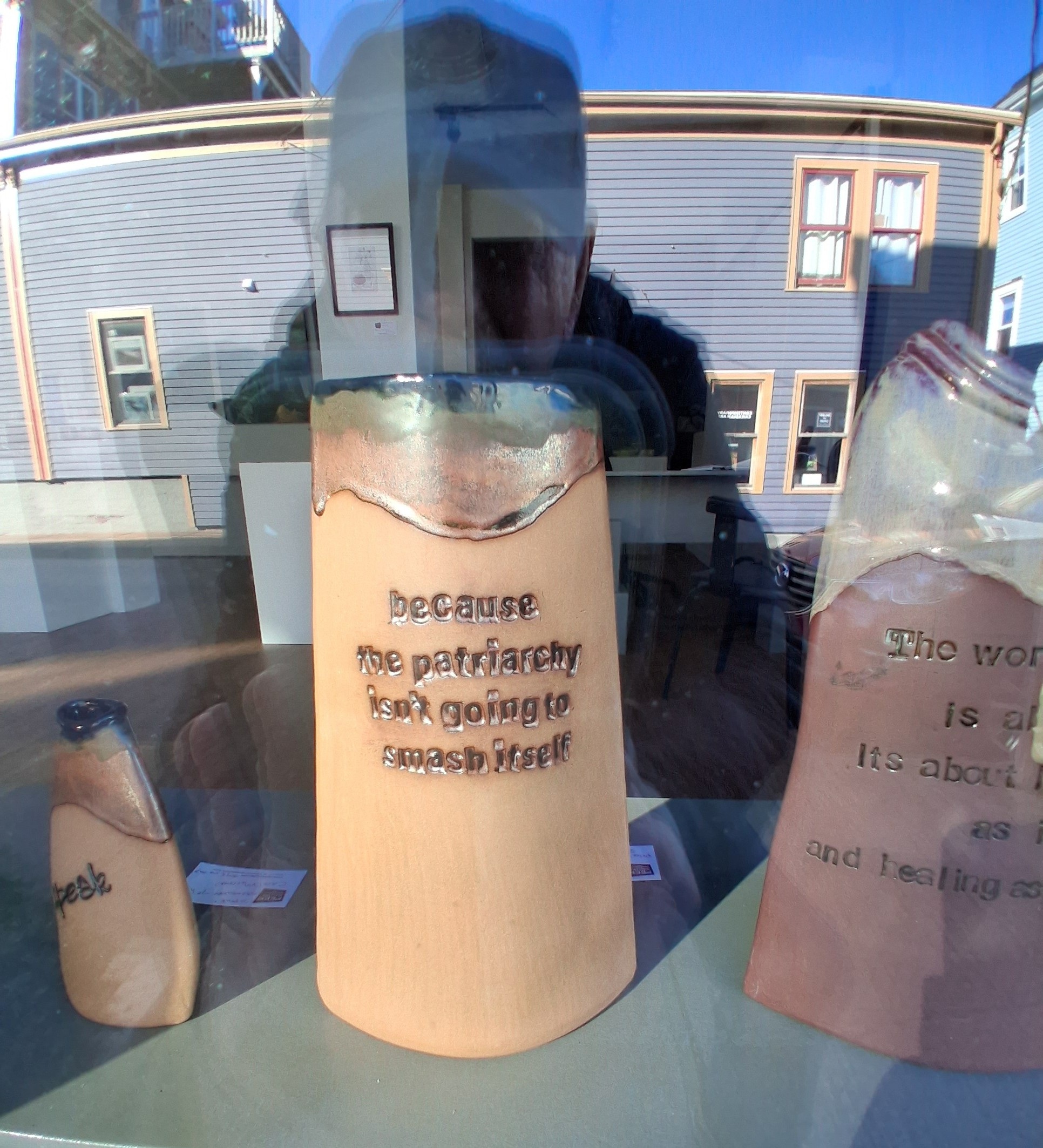
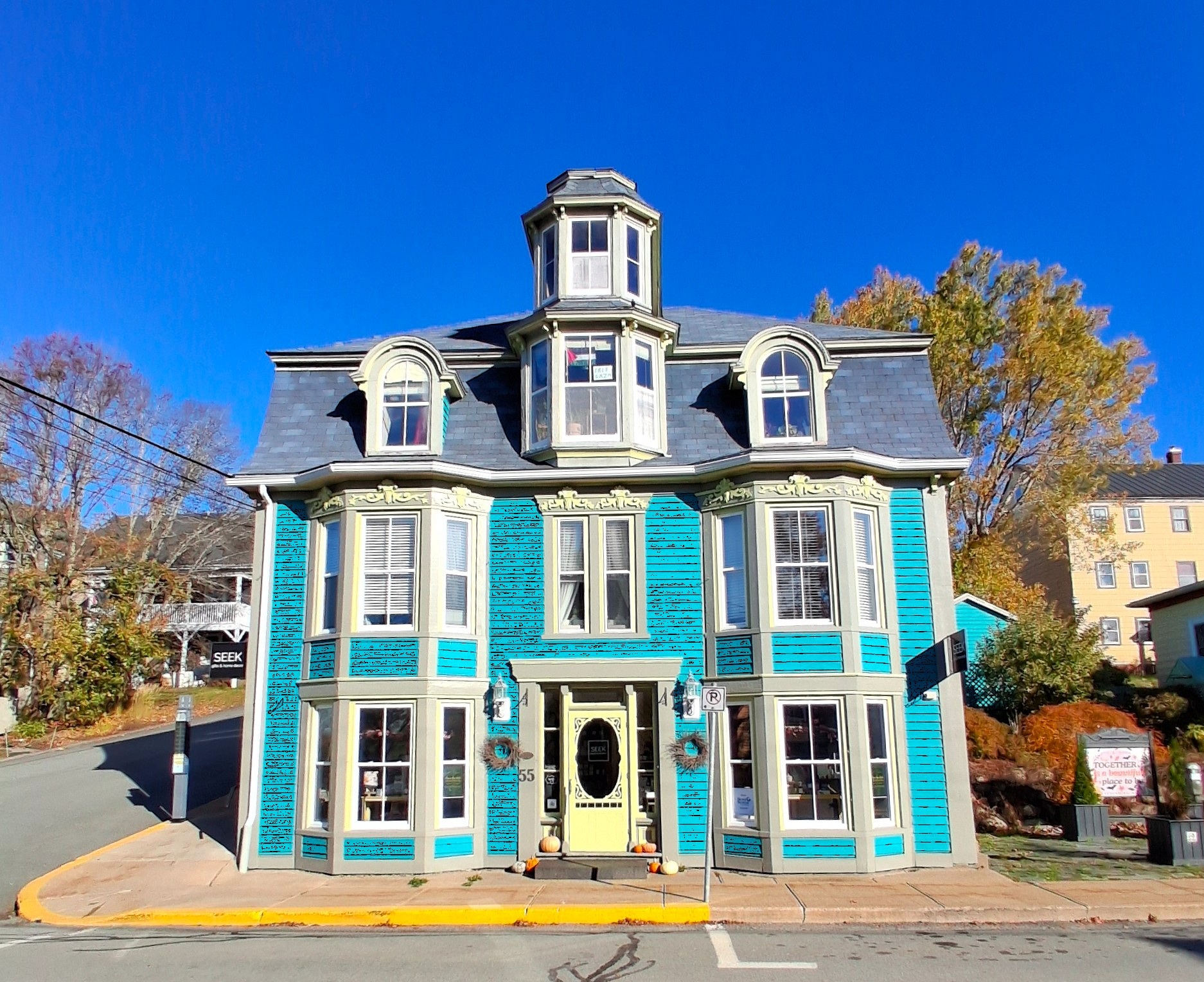
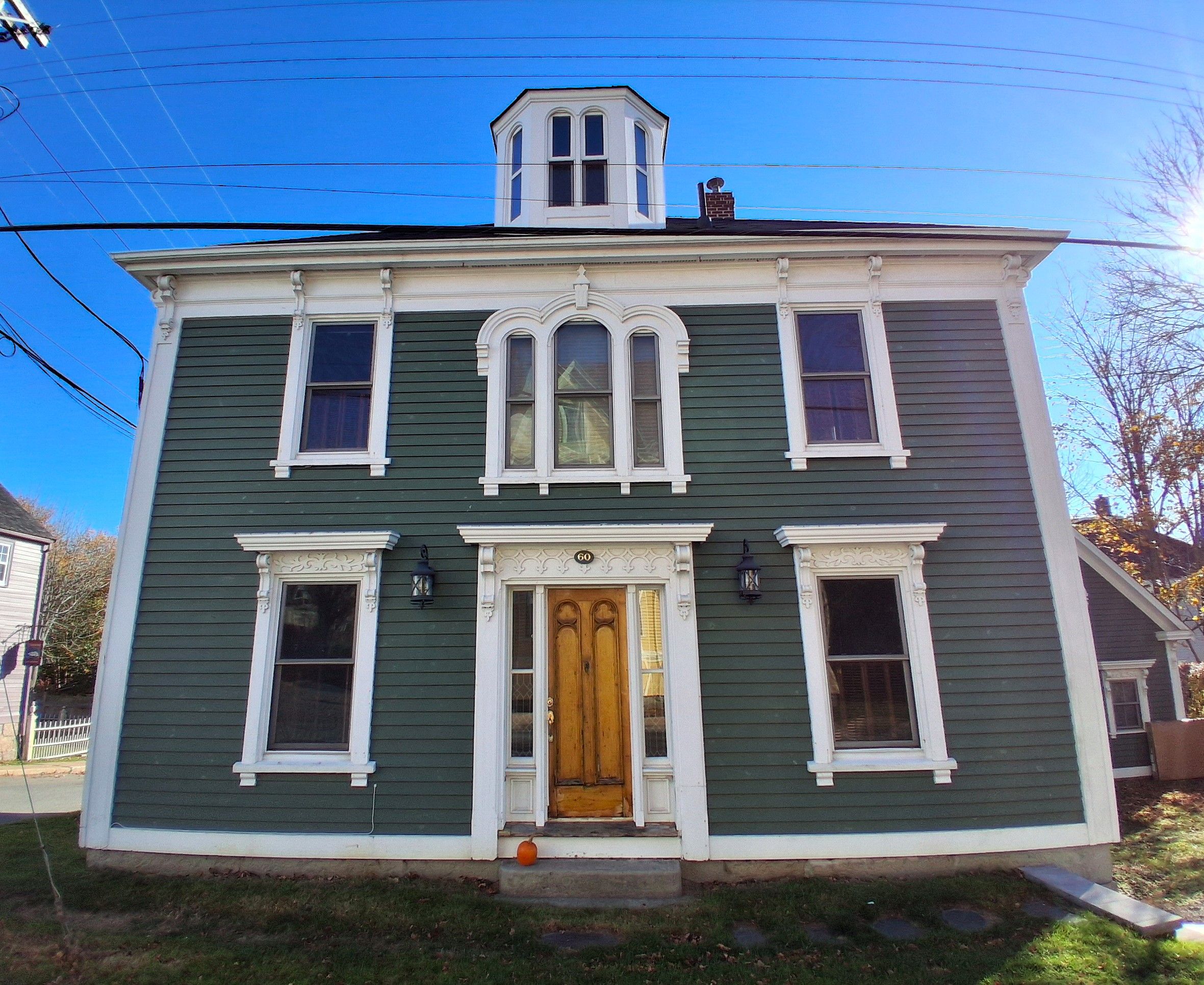
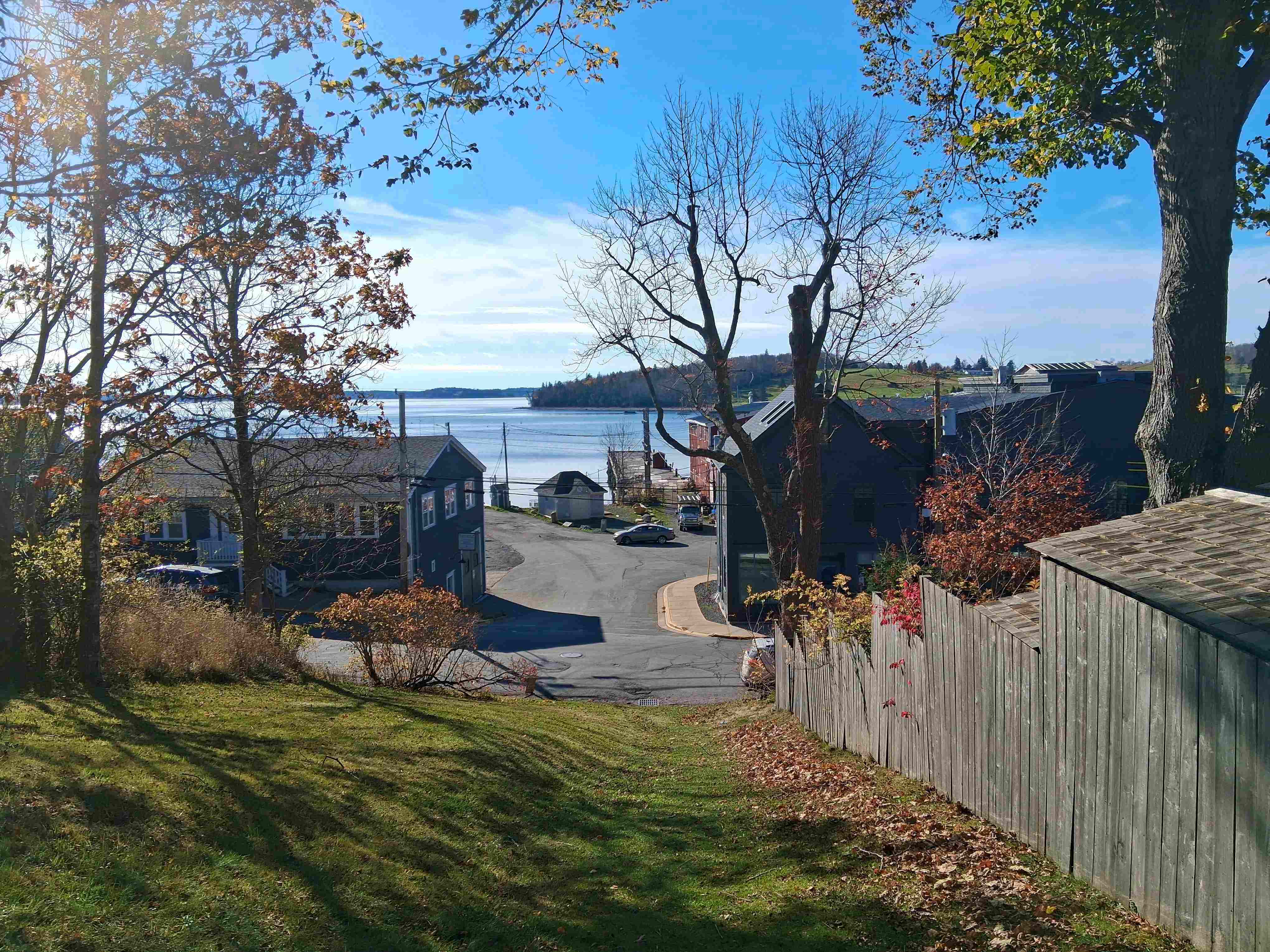
I stayed in the Dockside Hotel in Lunenberg Sunday night with a room overlooking the harbor. Lunenberg was founded in 1753 by German immigrants and is known for its lobster fishery and its colorful historic Old Town which is a UNESCO World Heritage Site.
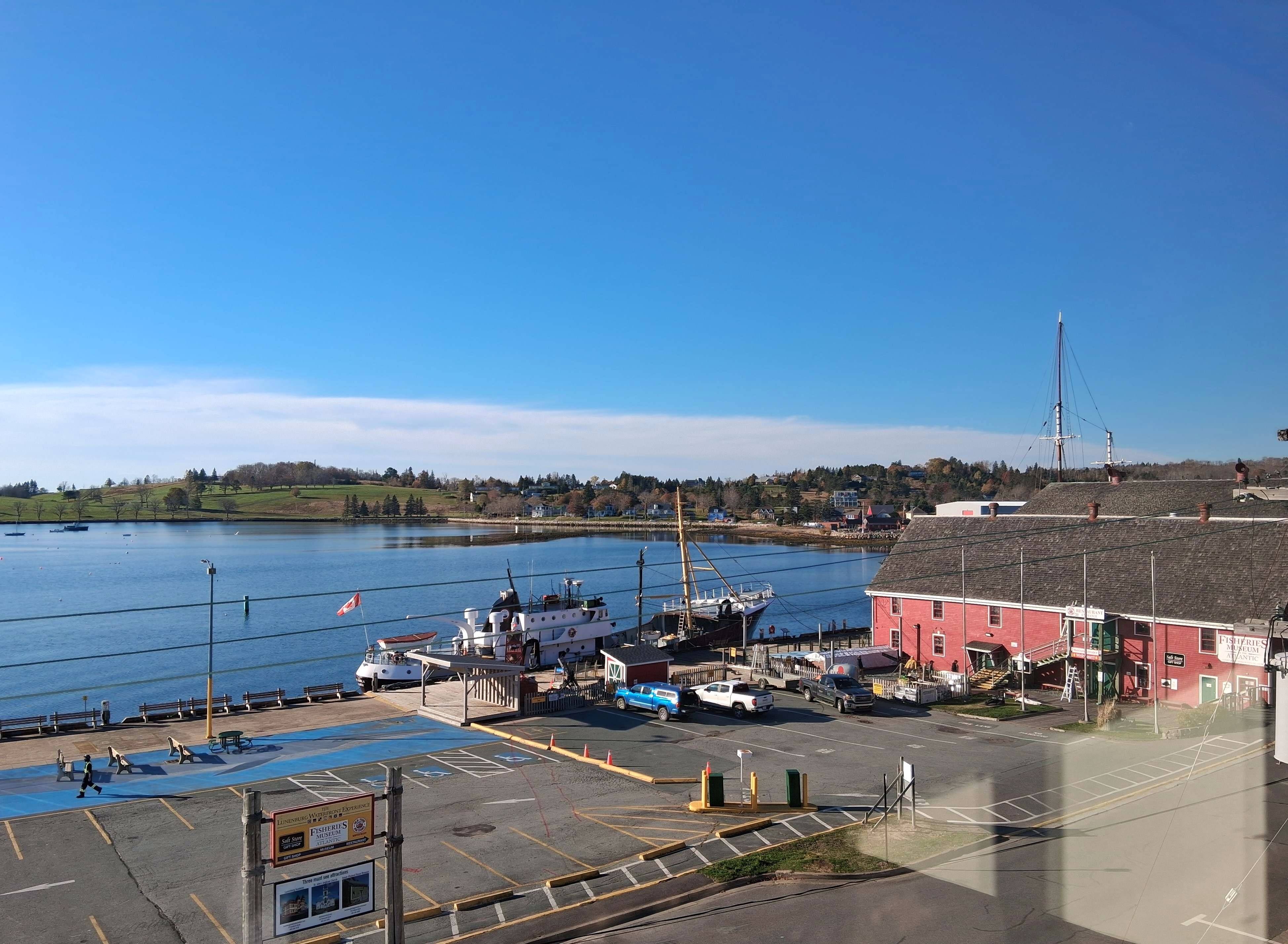
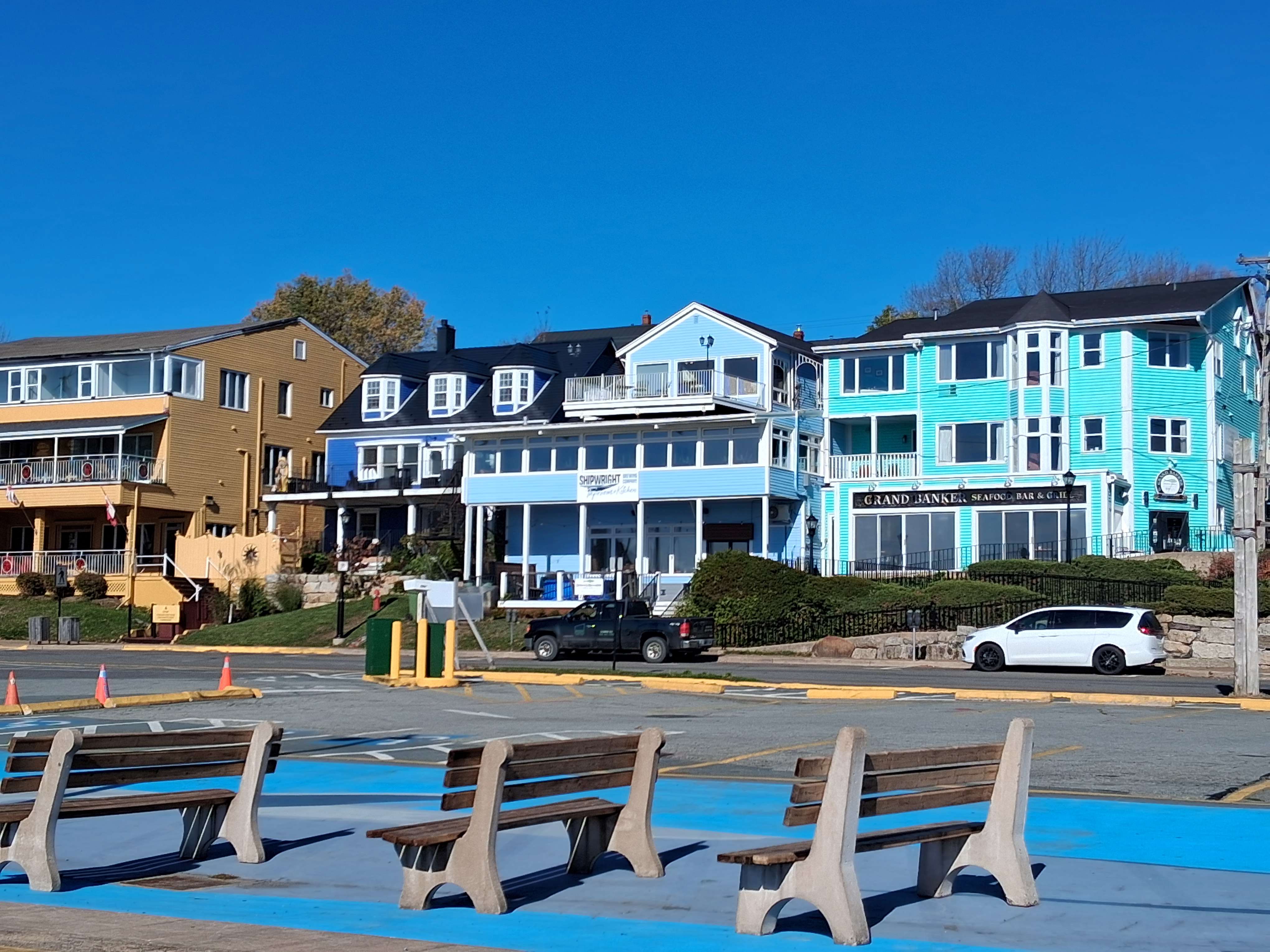
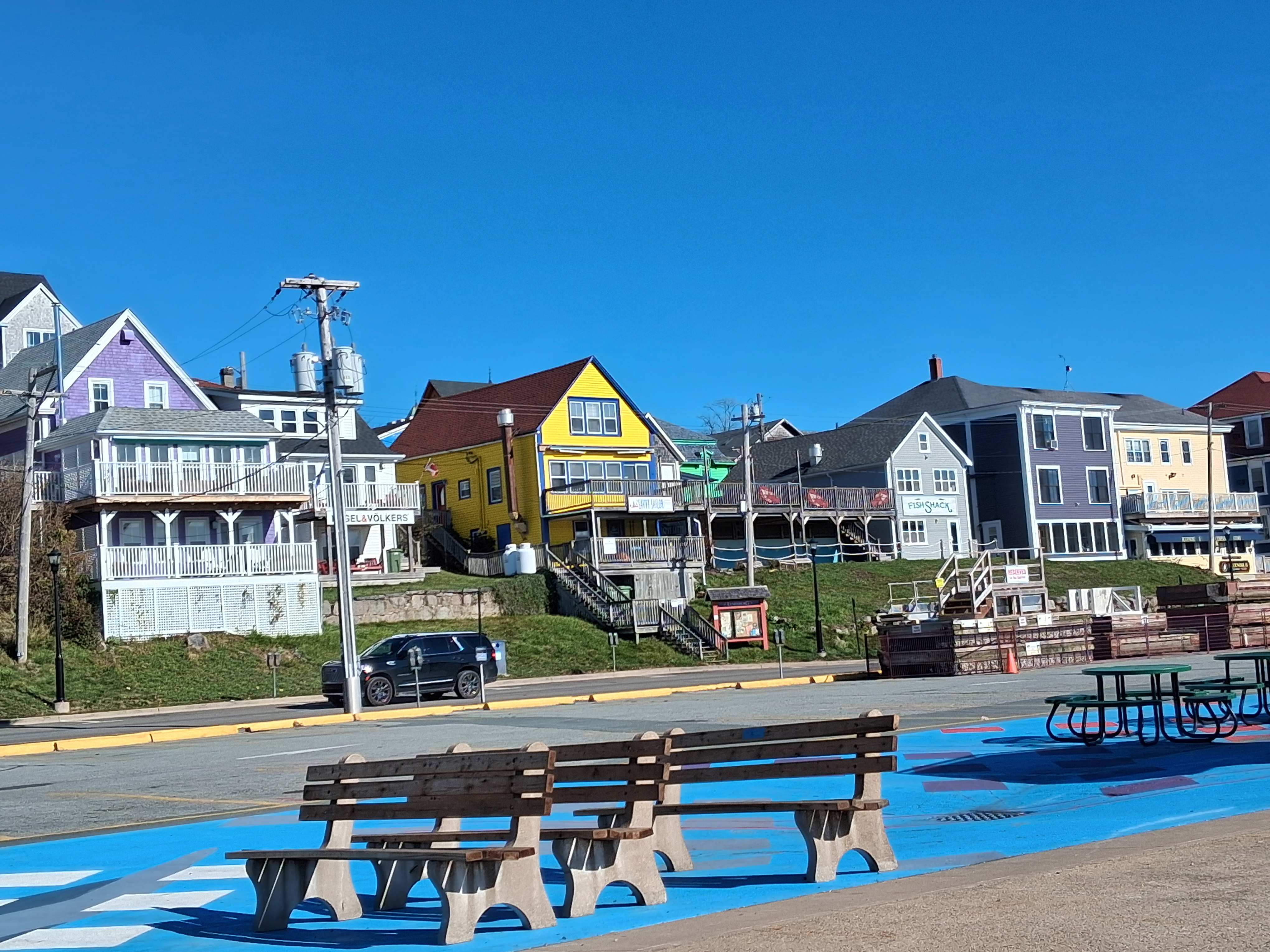
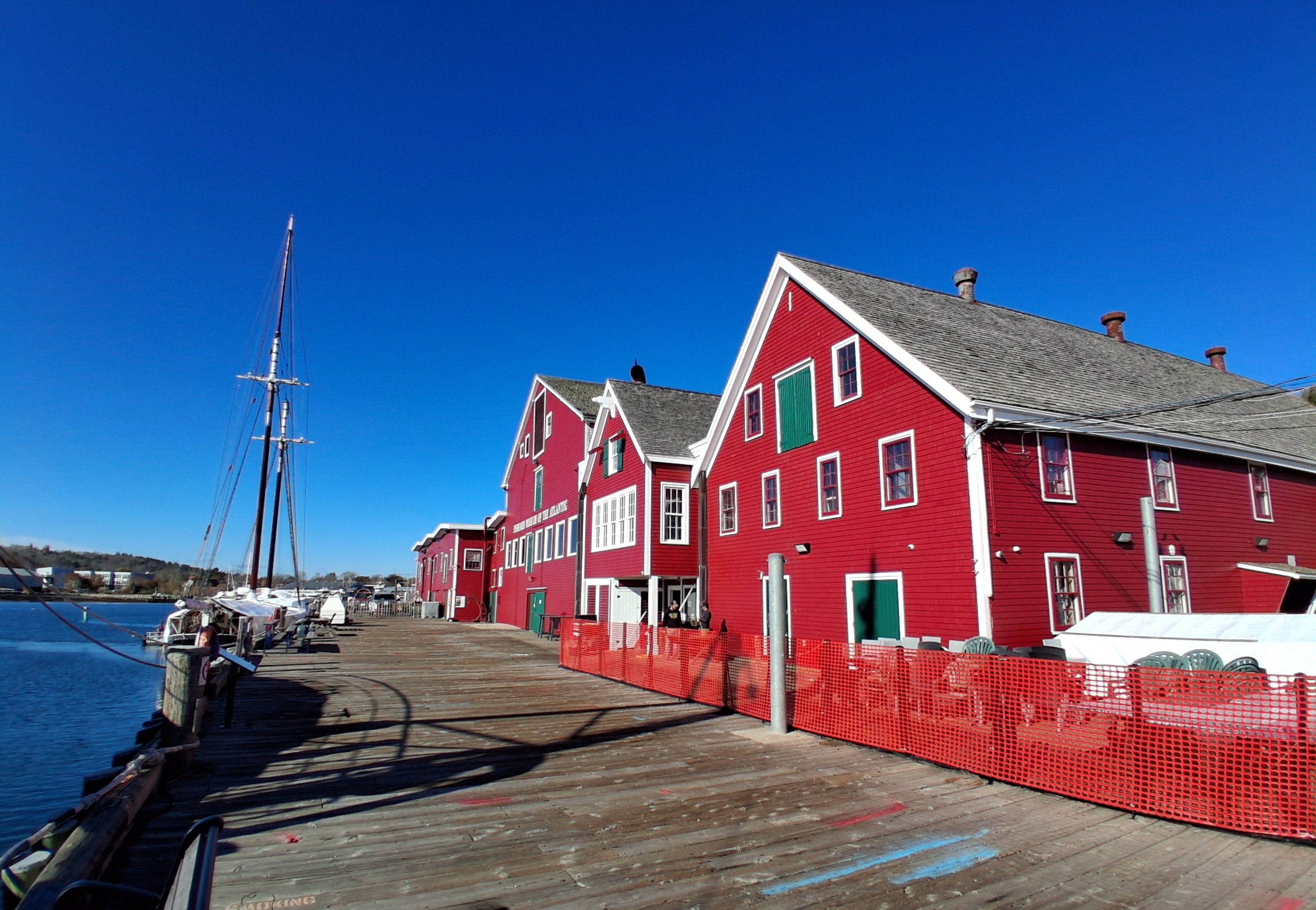
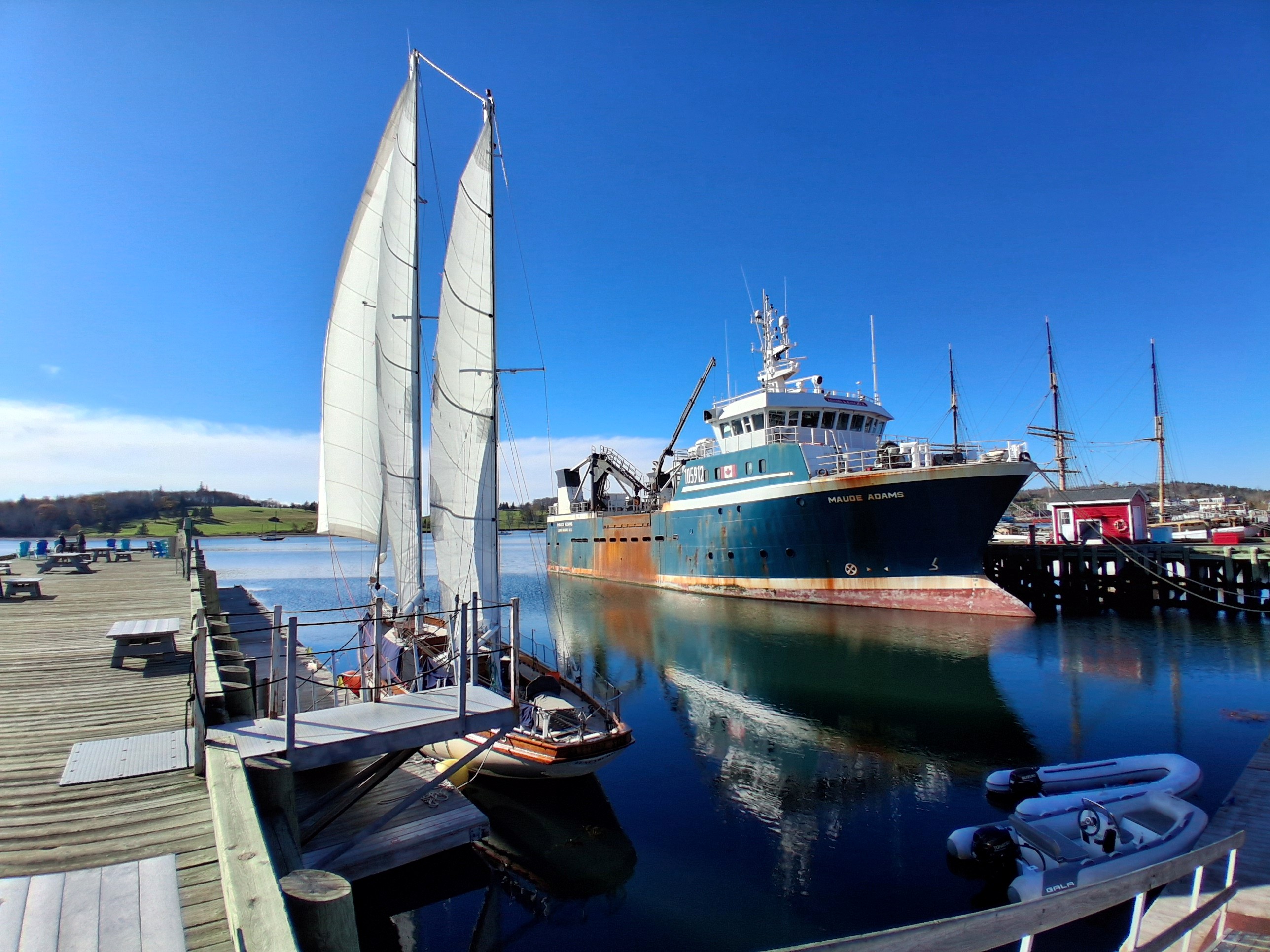
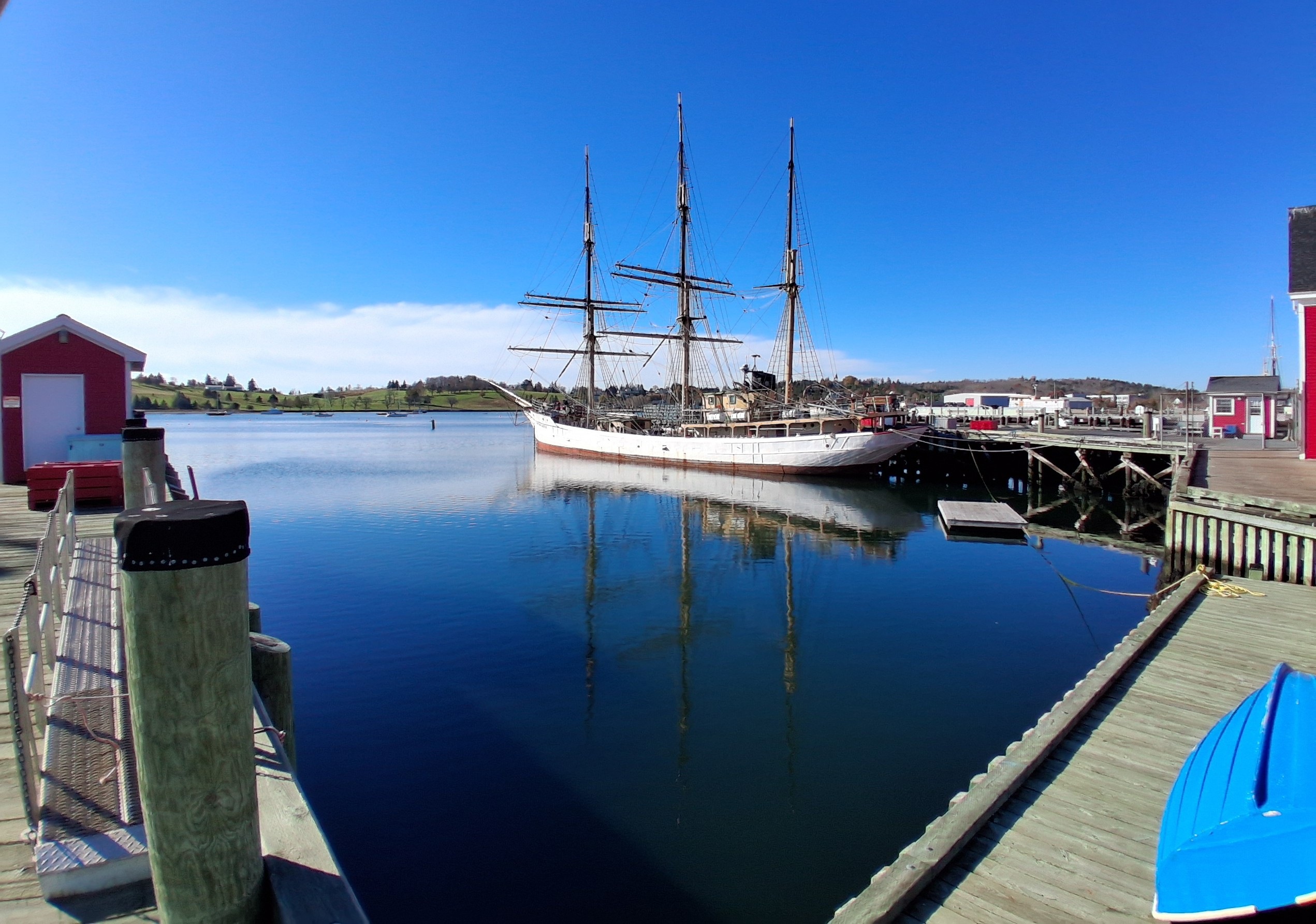
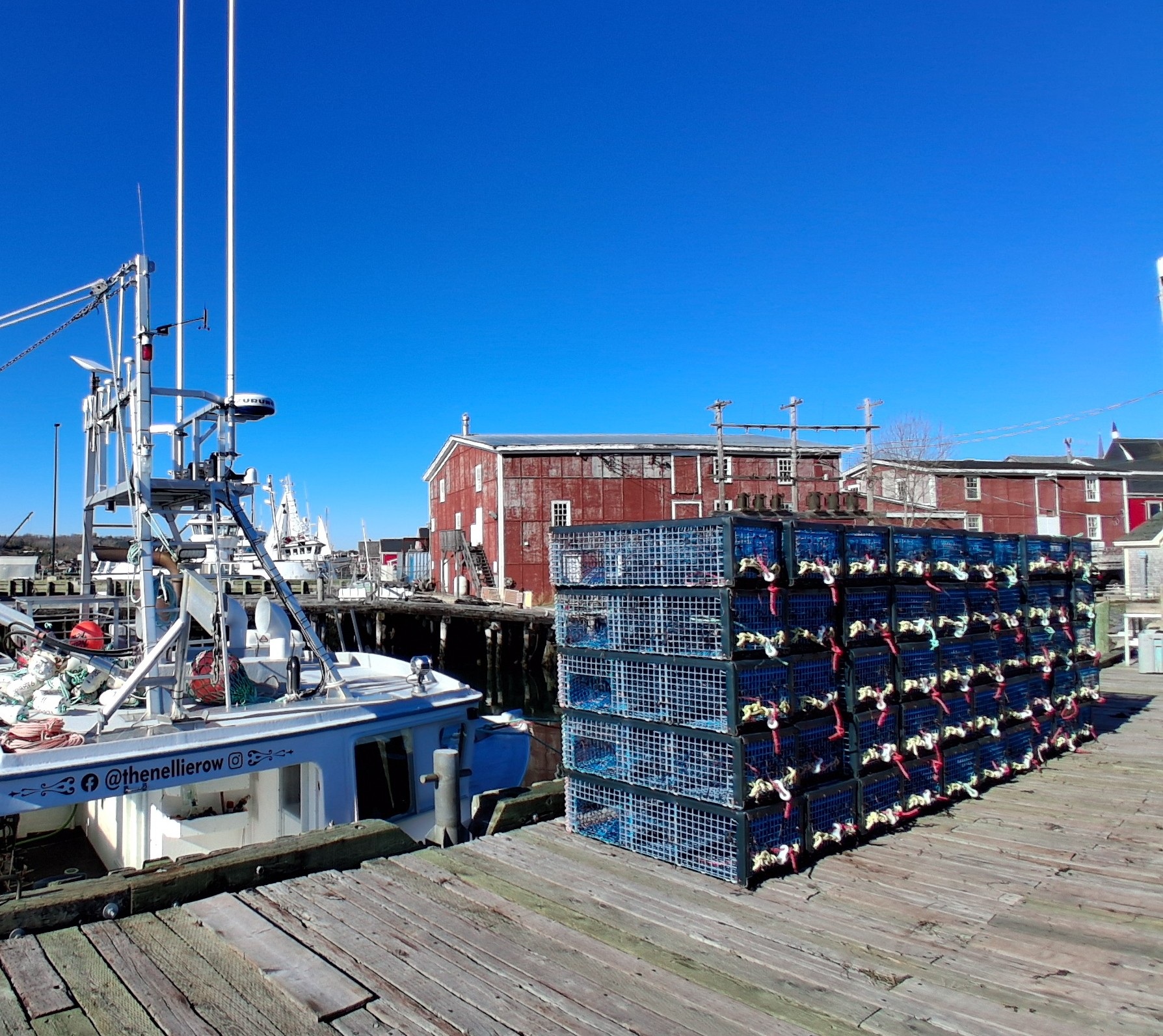
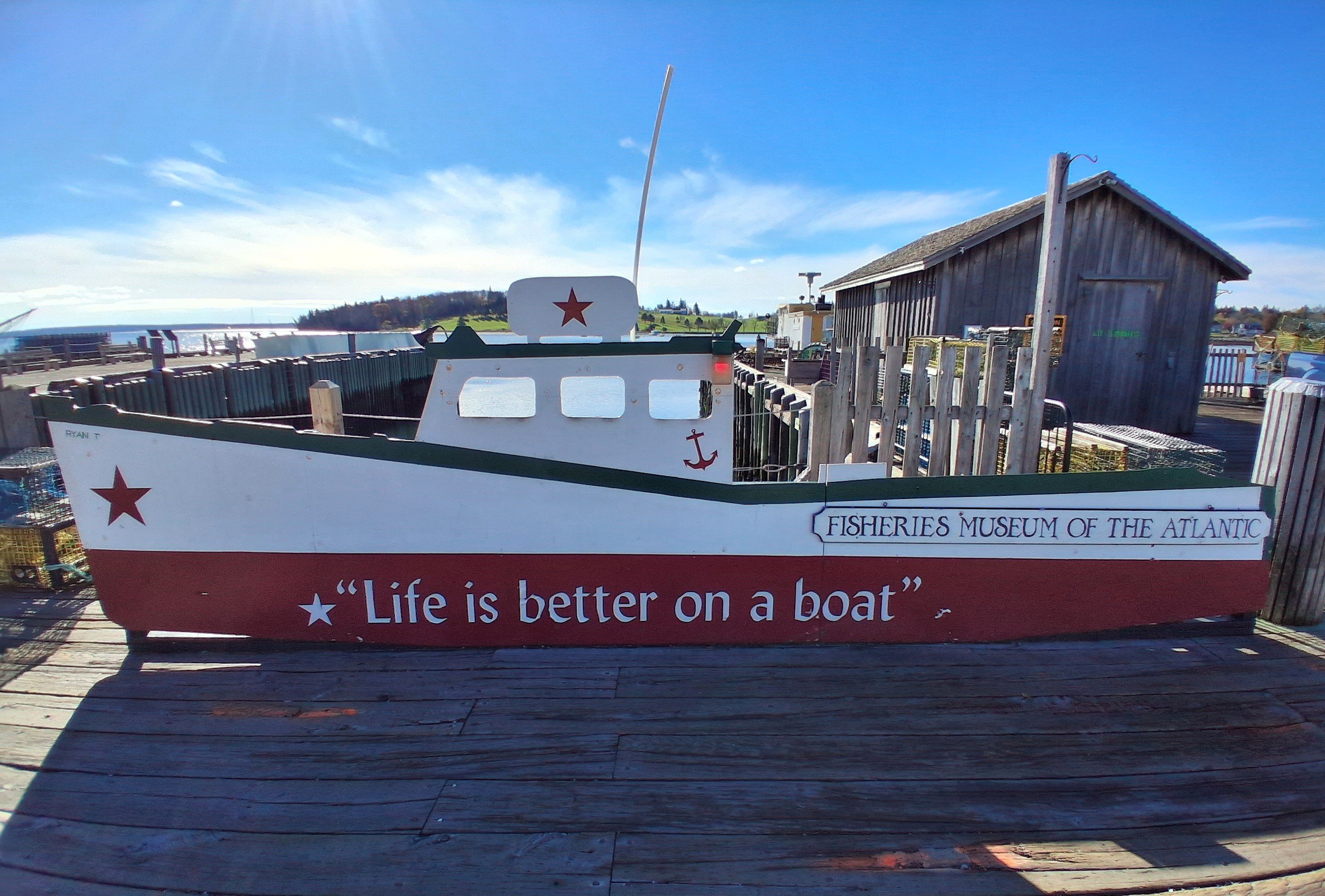
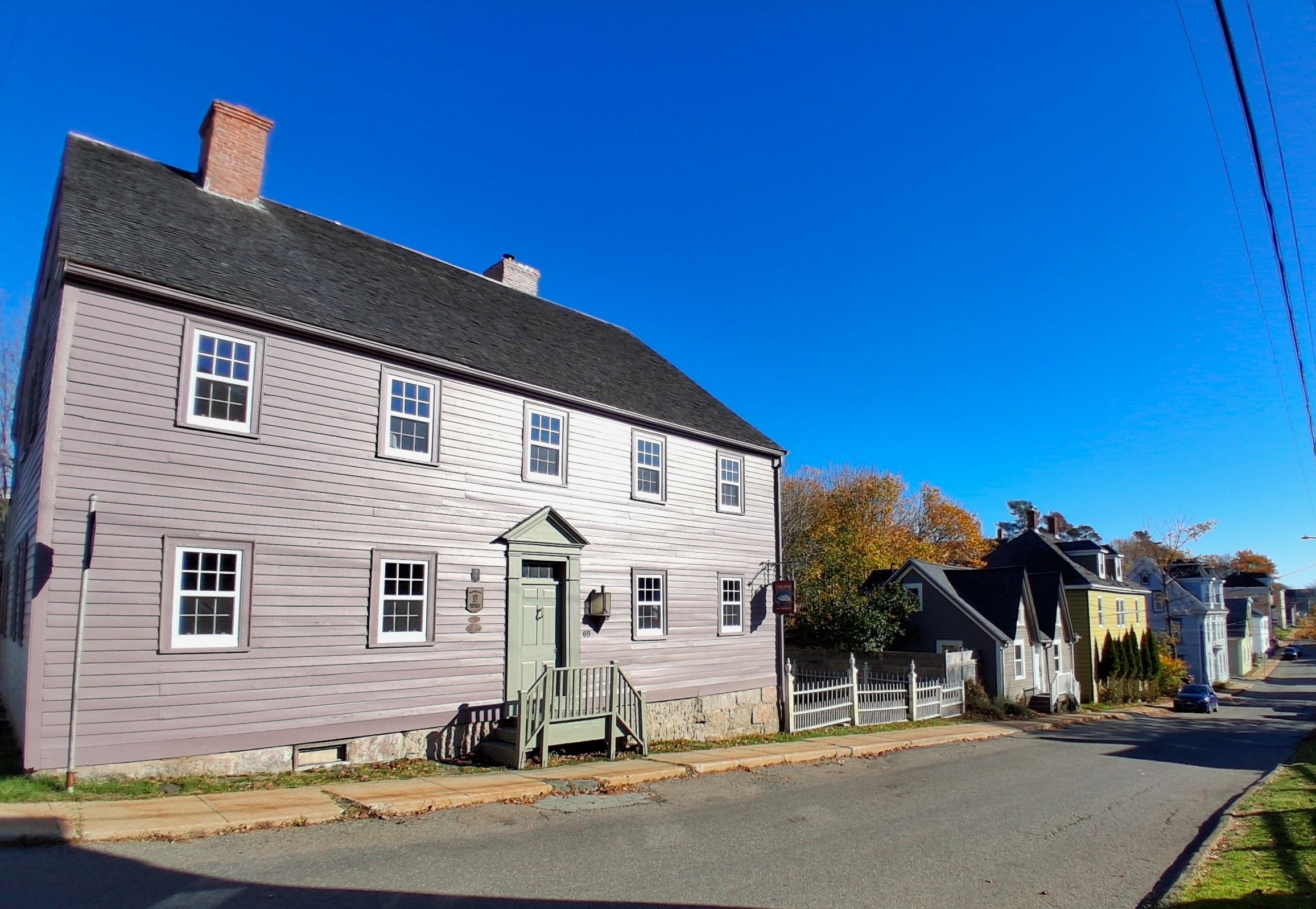
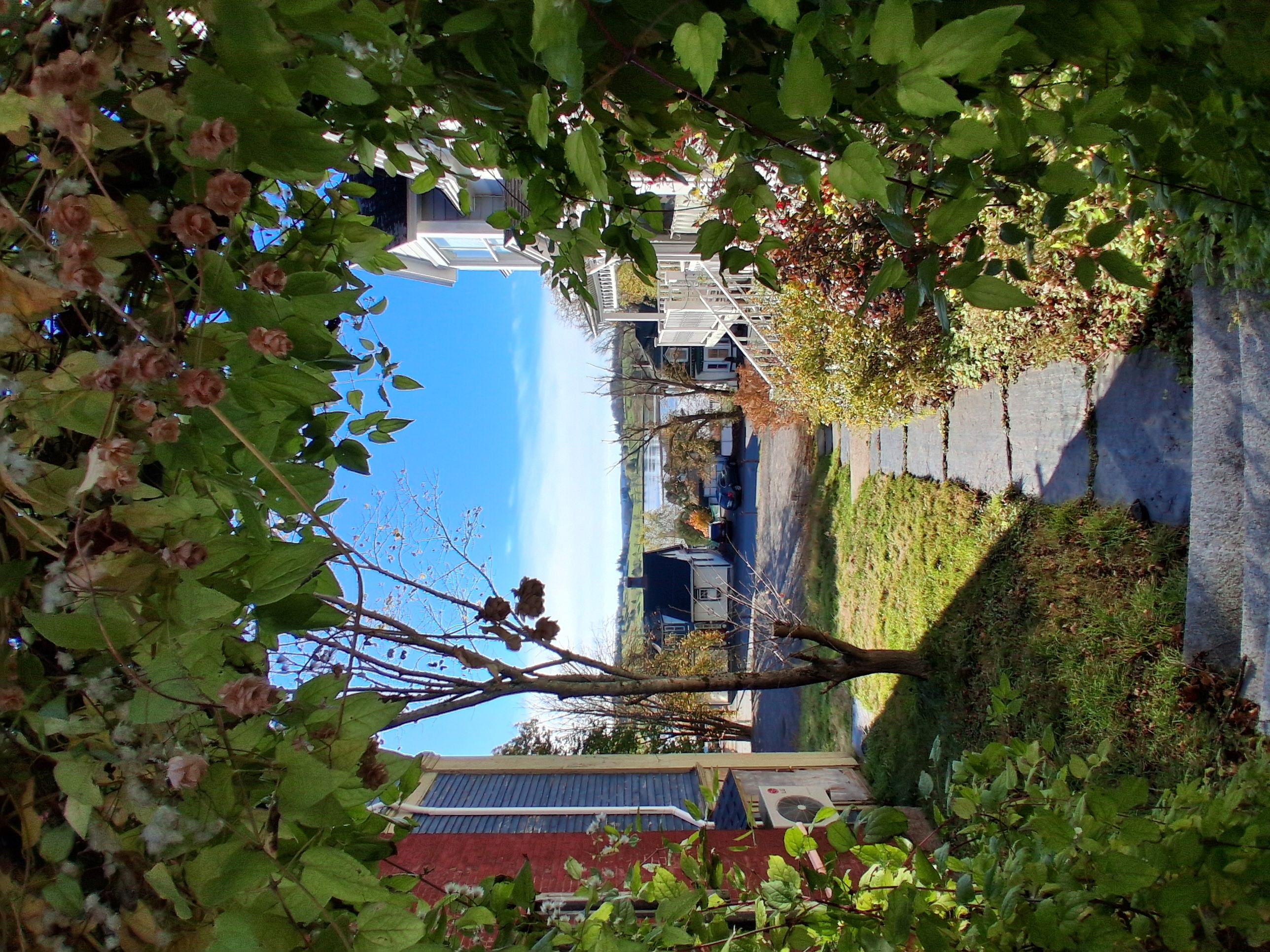
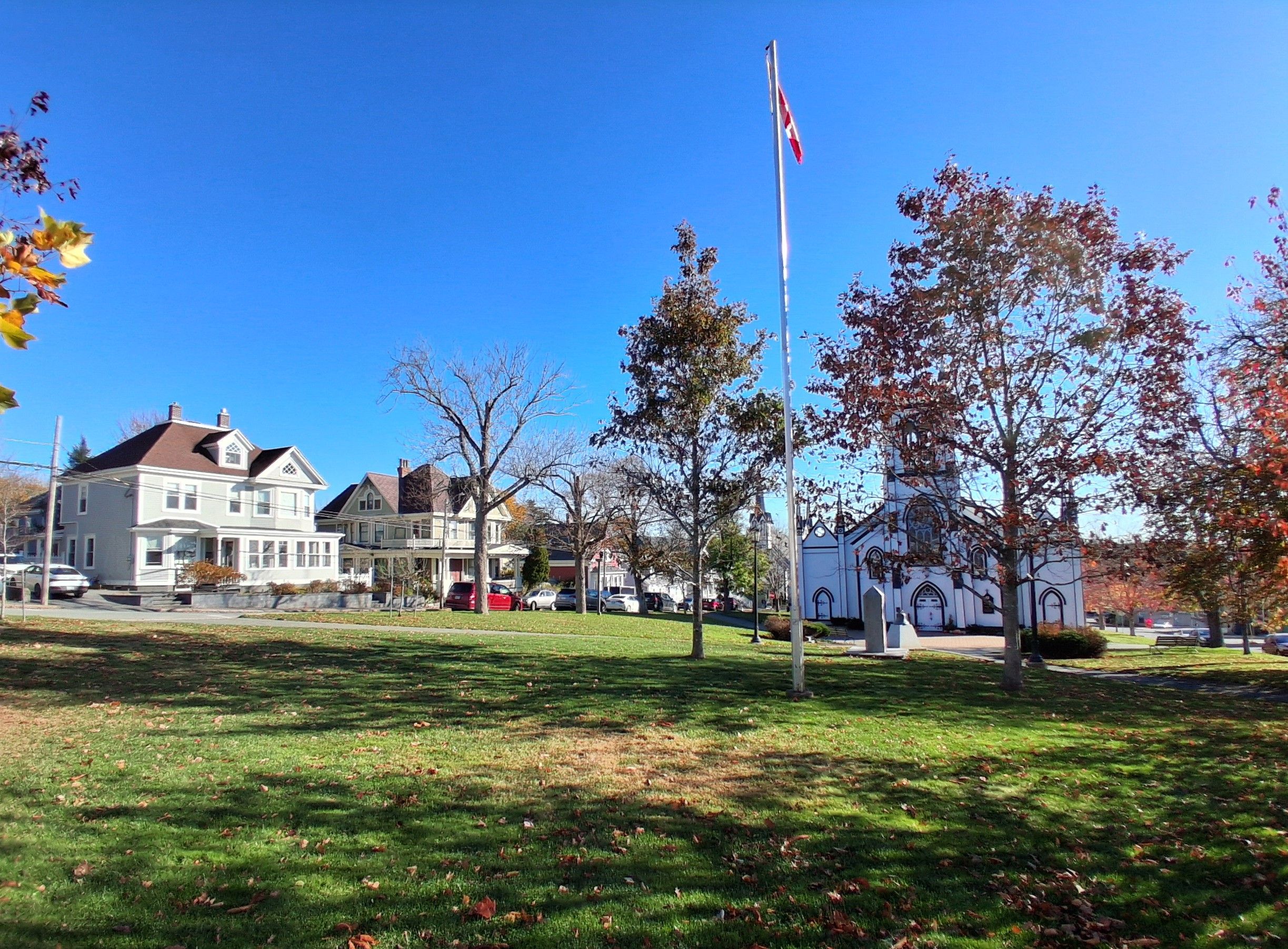
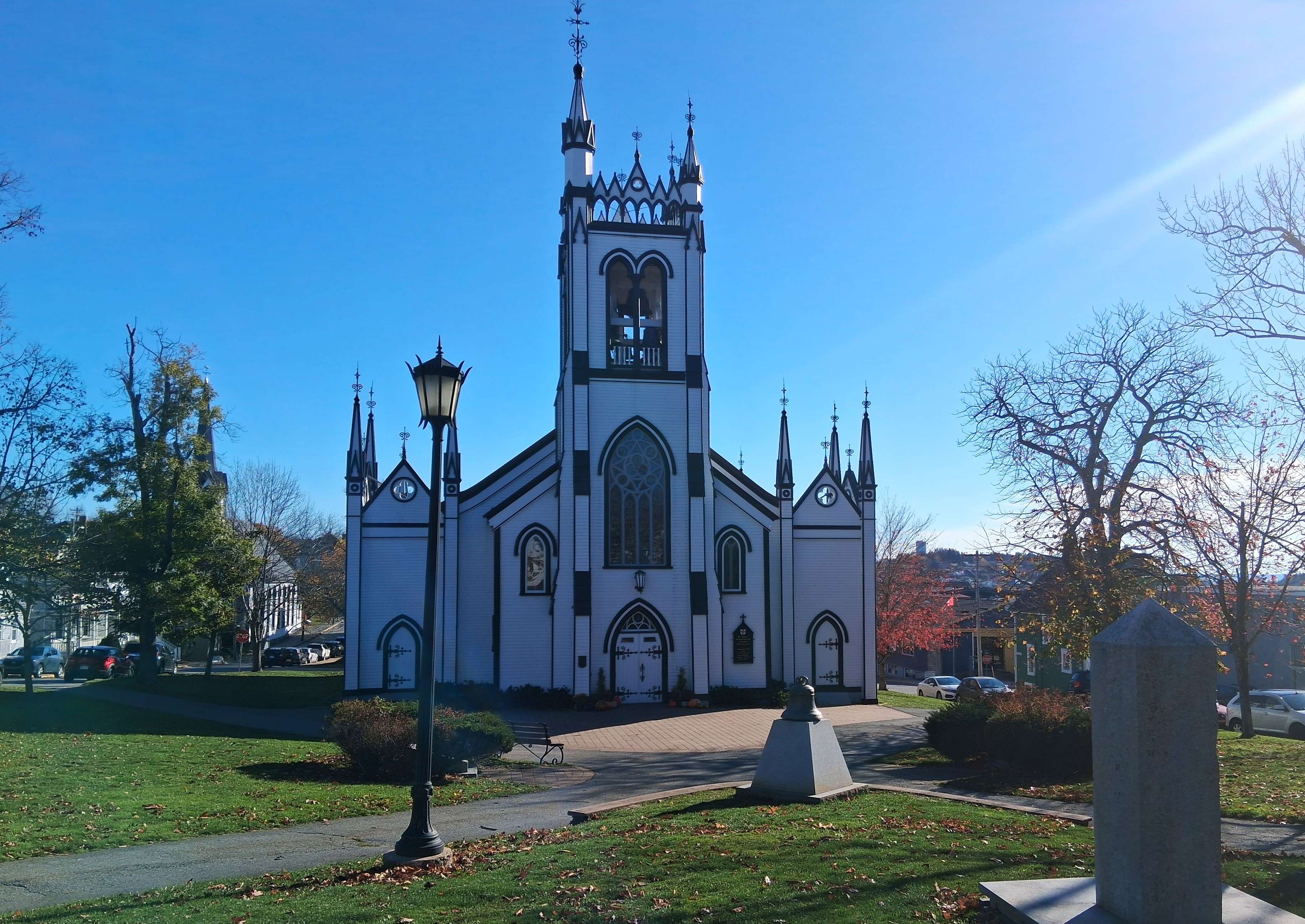
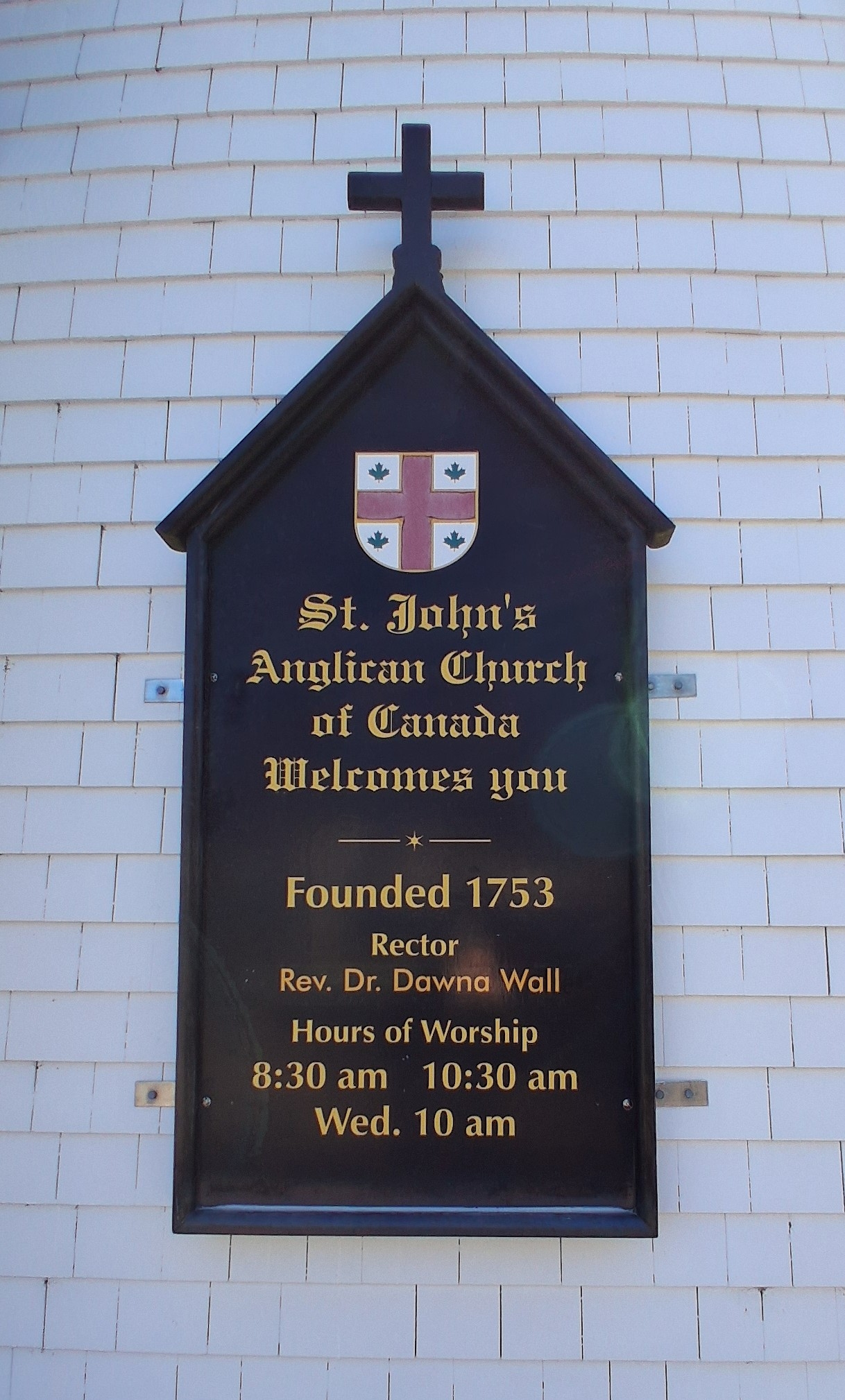
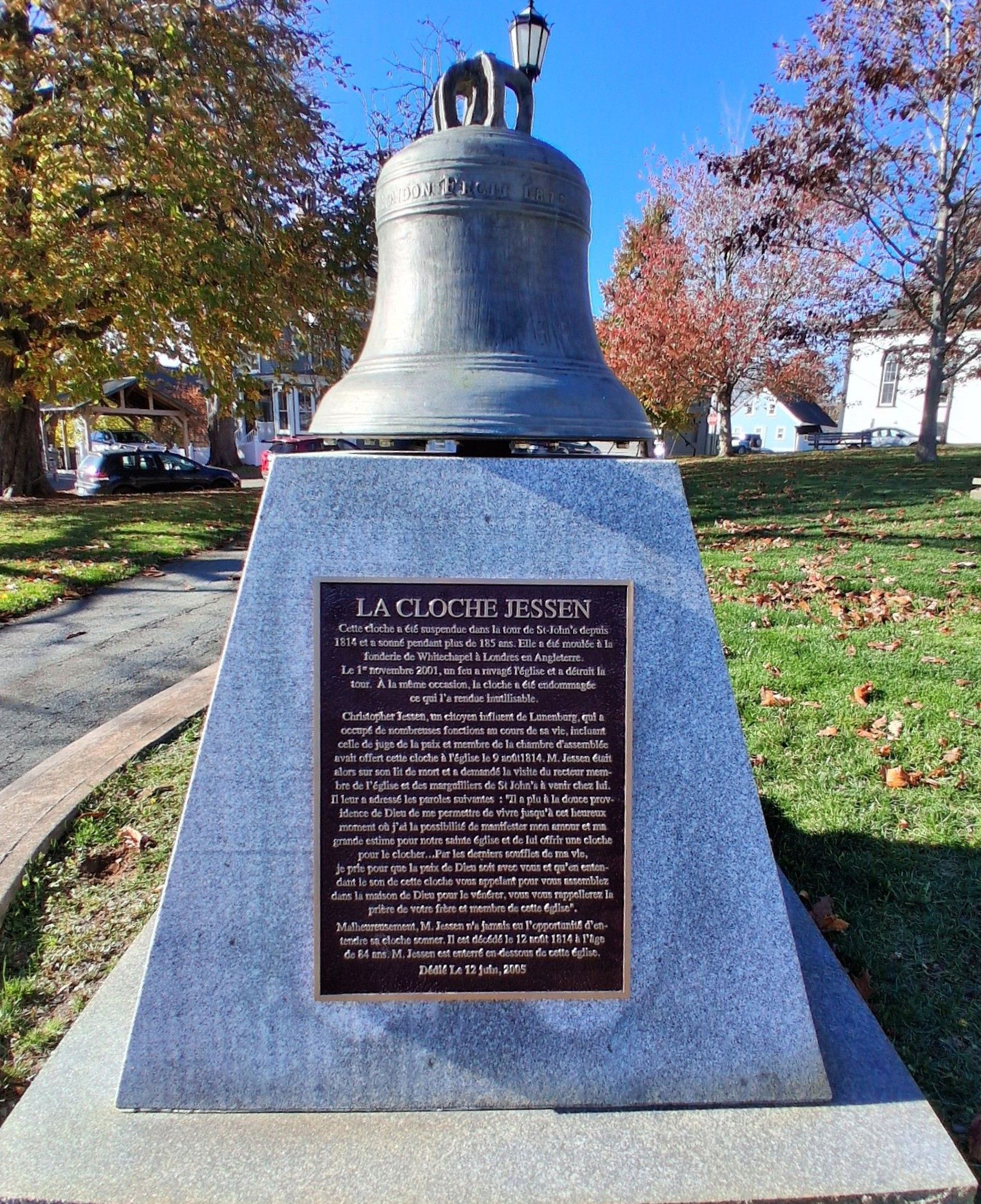
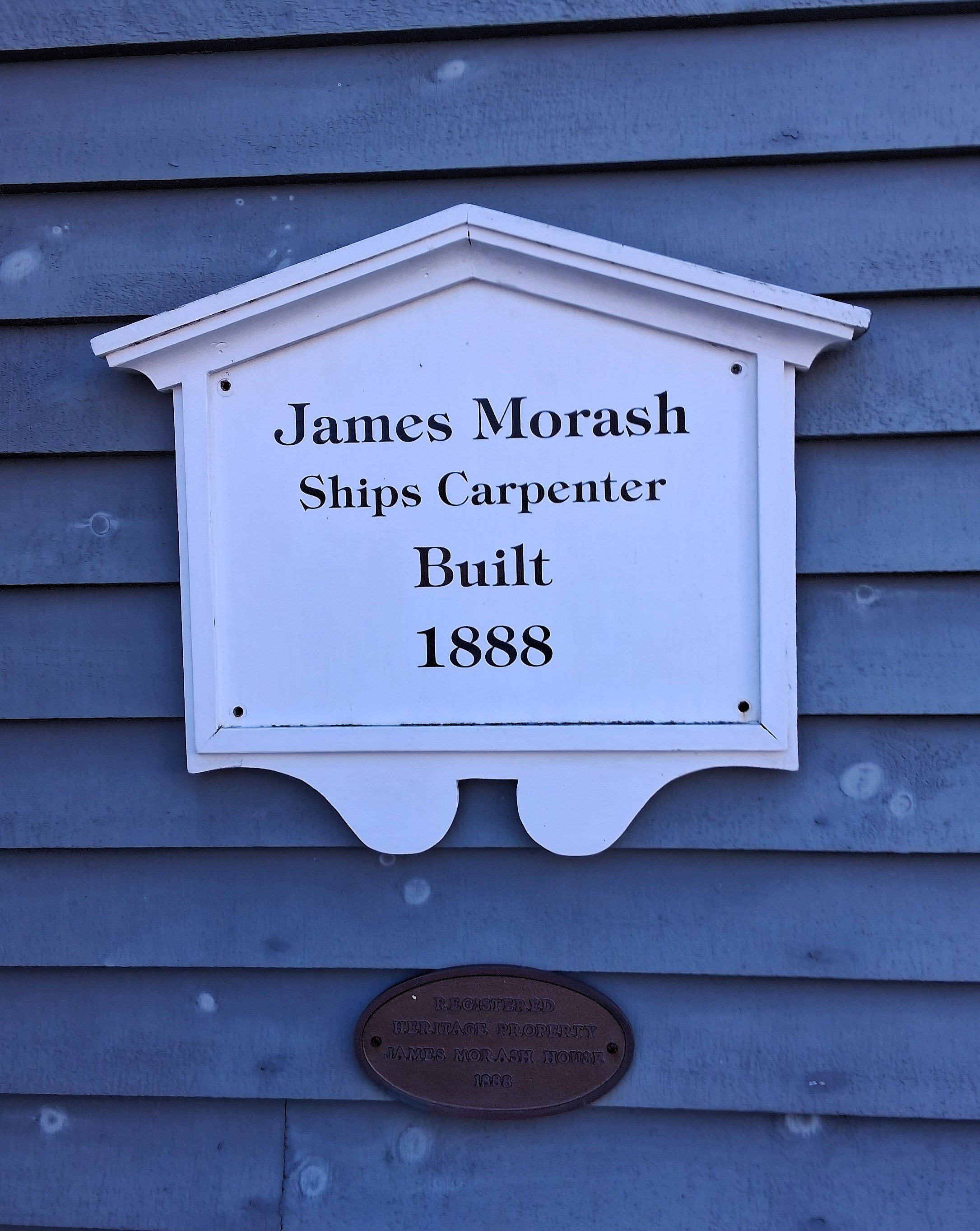
The Old Town streets rise steeply from the waterfront. Homes facing the harbor date from the 1700’s and 1800’s. There is no shortage of churches including St. John’s Anglican Church of Canada, founded along with the town in 1753, and built in the second half of the 18th century.
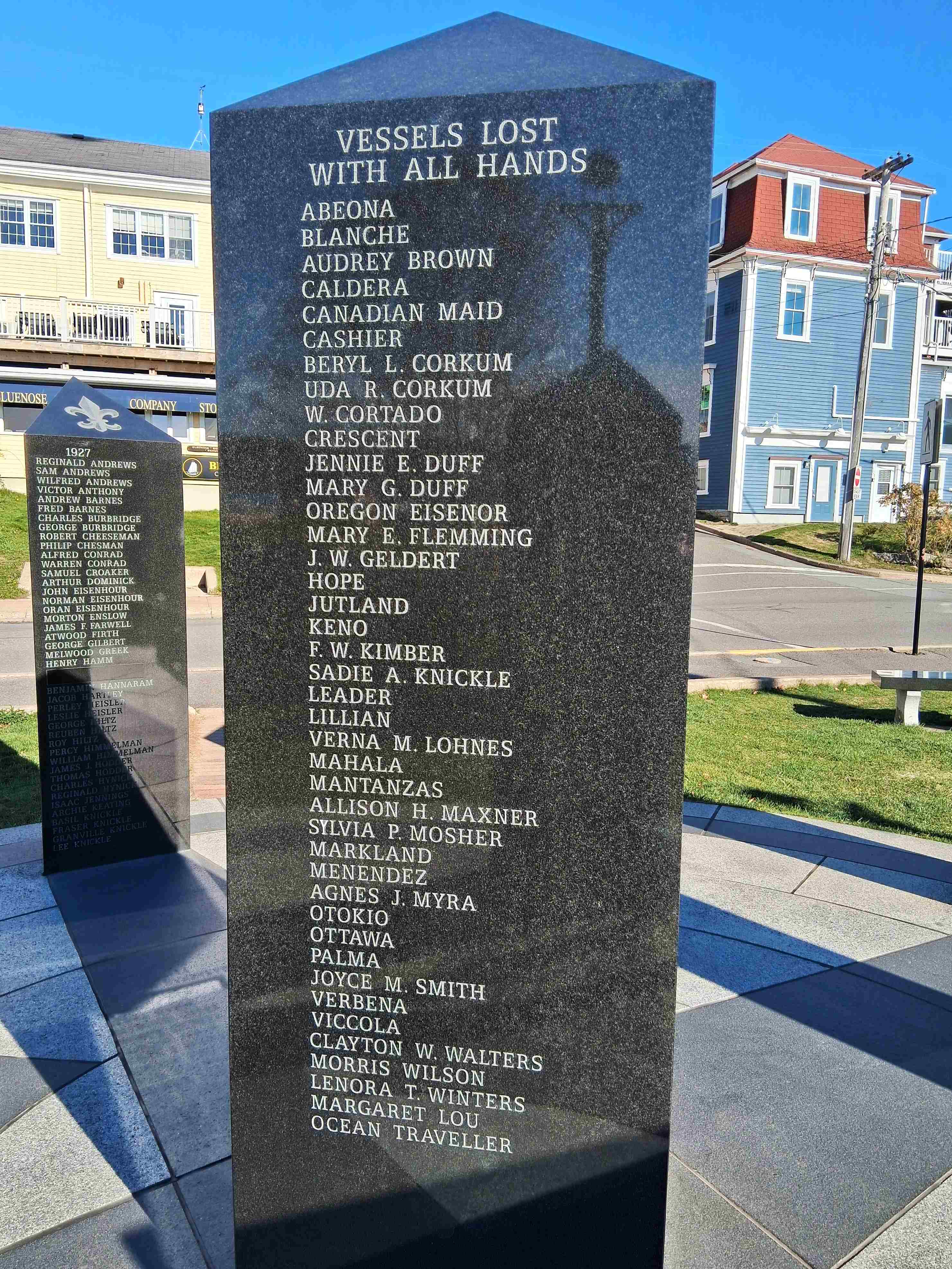
We lost Stan Rogers, Canadian singer songwriter, in 1983 at age 34, but not before he left us memorable songs from the Maritimes. A Stan Rogers music festival is held each year in Halifax in his honor.
Drove over to the east shore beaches north of Dartmouth where Karl surfs. Good waves but too much wind, so we stopped at the Rose & Rooster for coffee and brownies. Went a little further to the tiny village of Musquodoboit Harbour (“Musket-dob-it”) about 45 km. from Halifax to turn around and grab some fresh, locally grown produce at Uprooted, the local grocery store. [All photos Max Vollmer, Click on any image to enlarge]
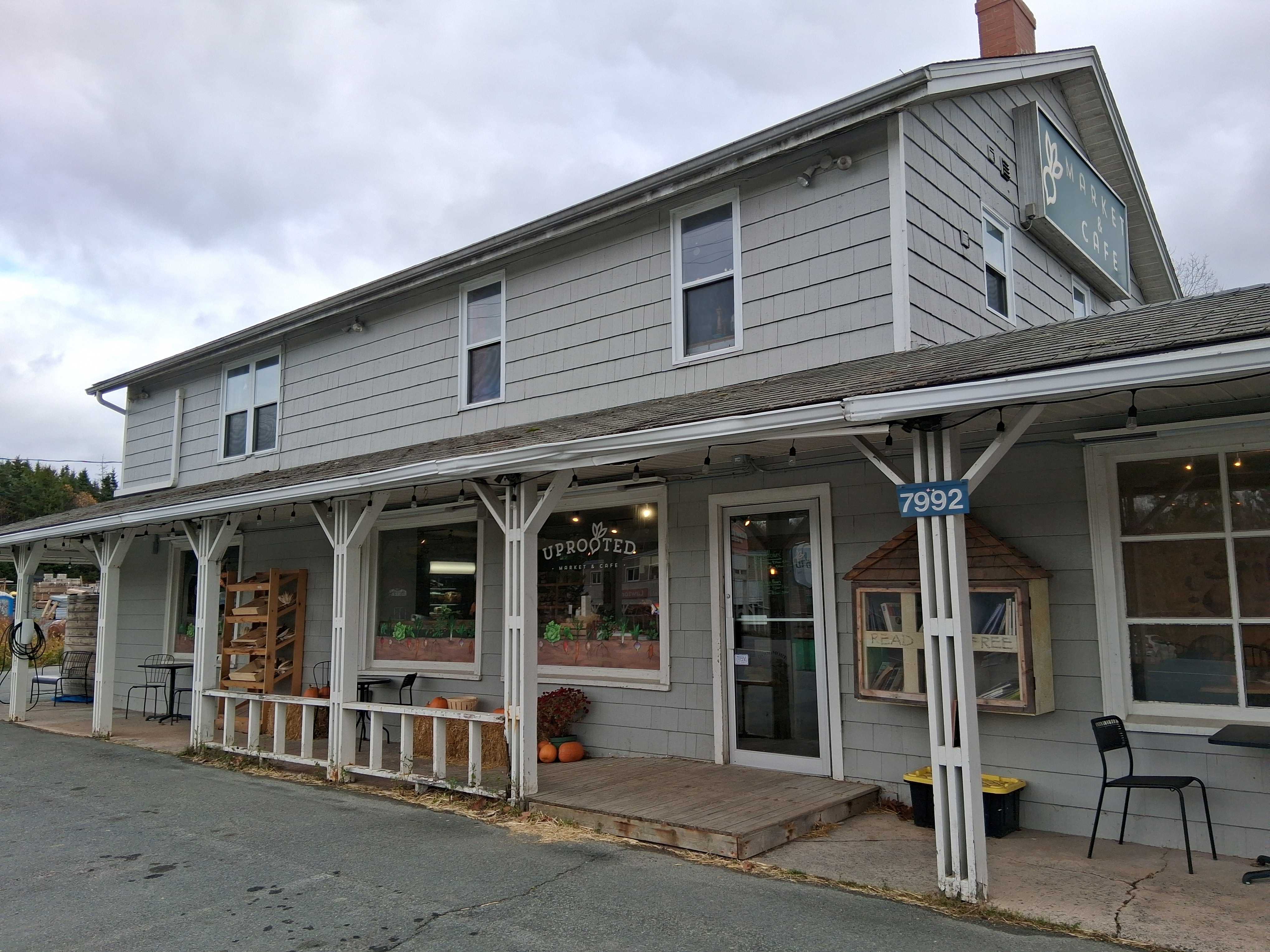
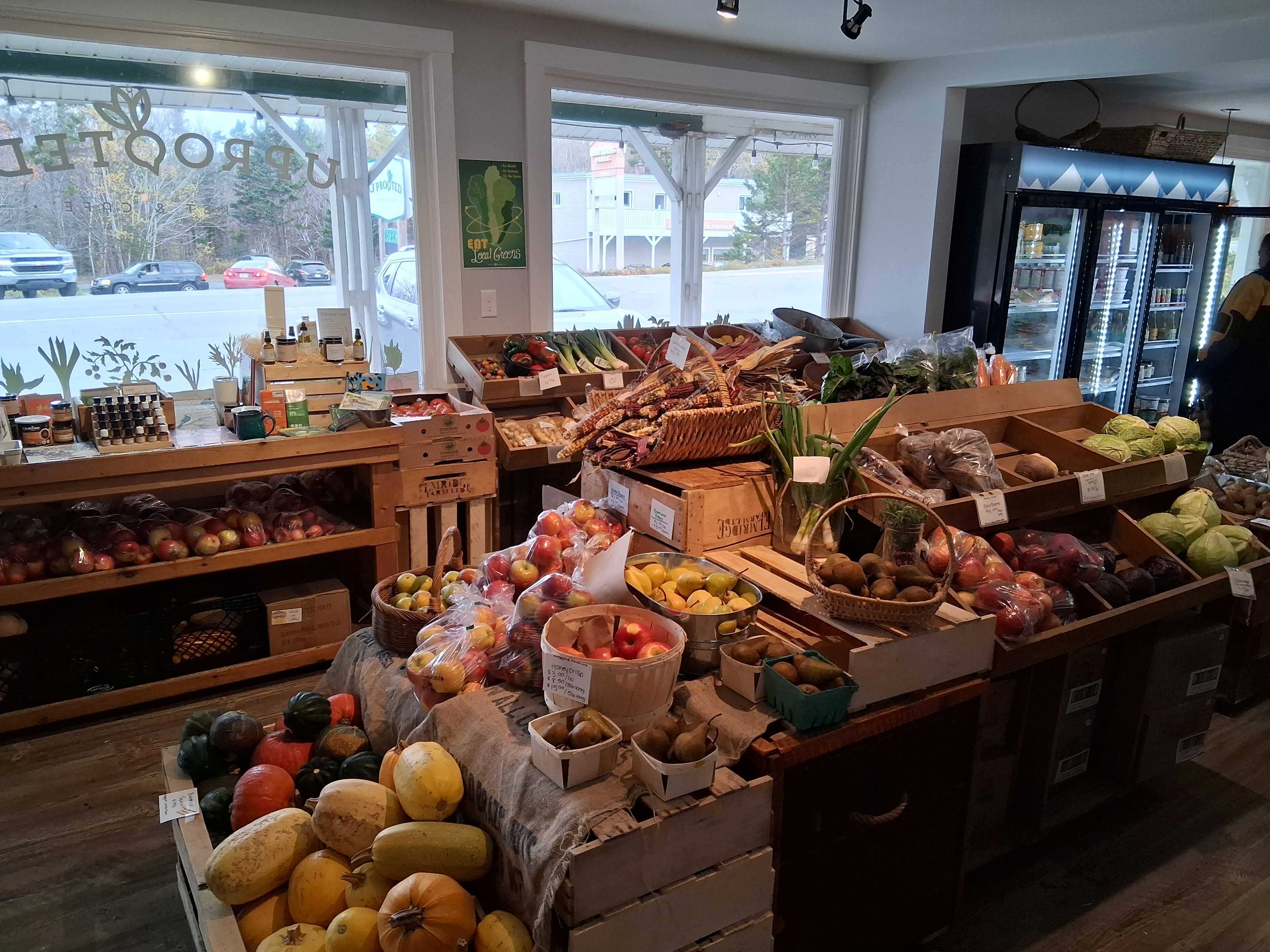
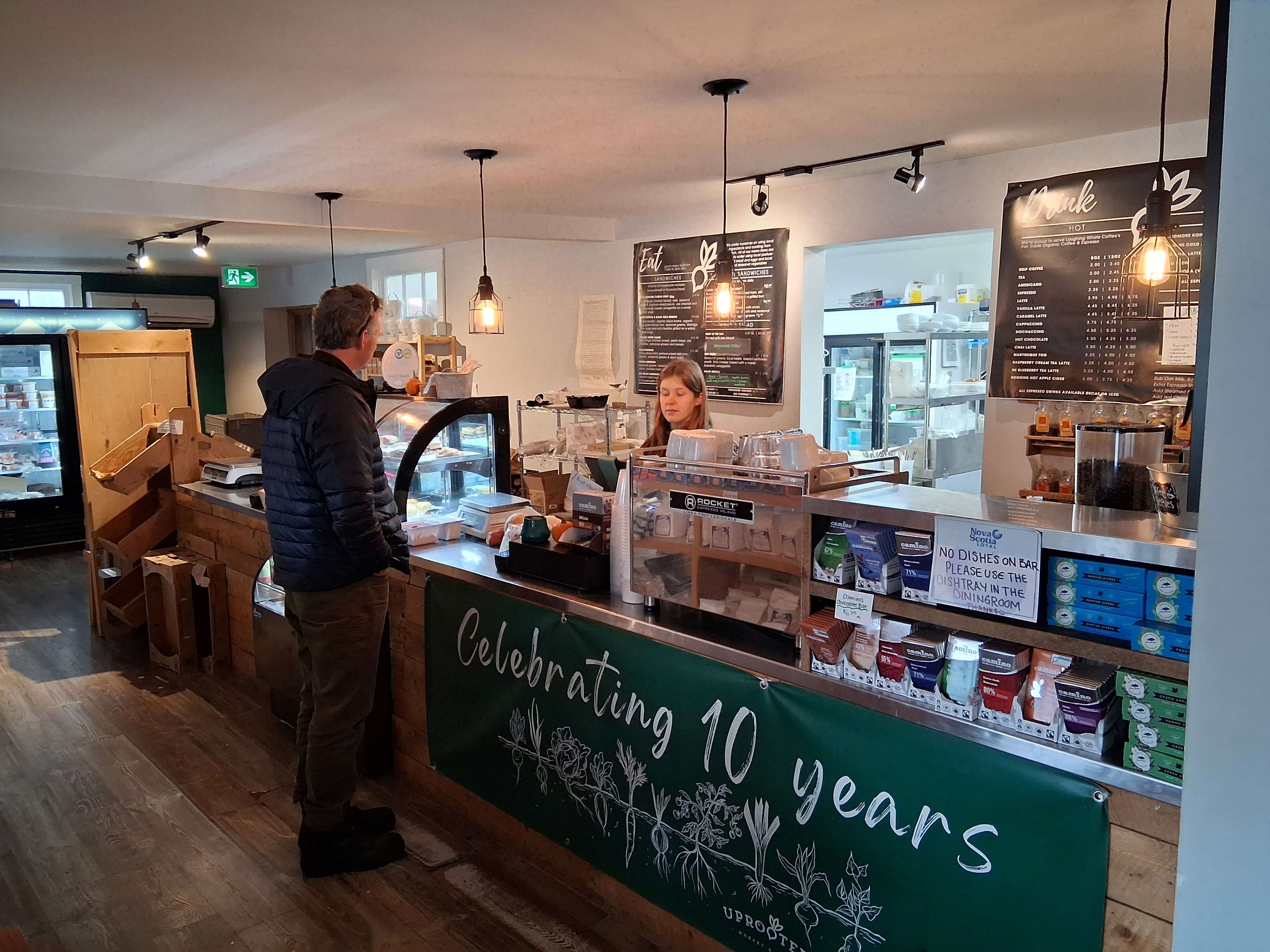
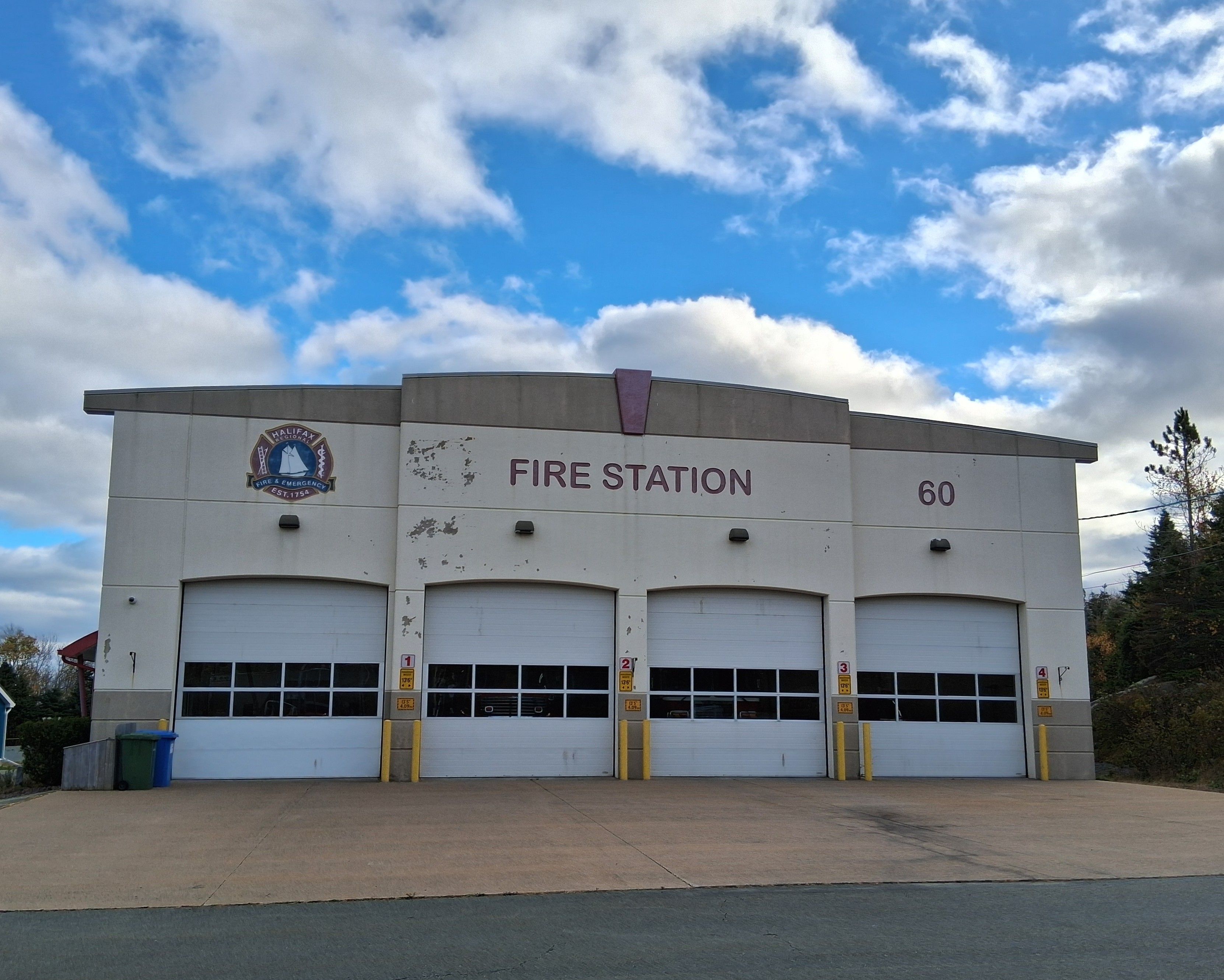
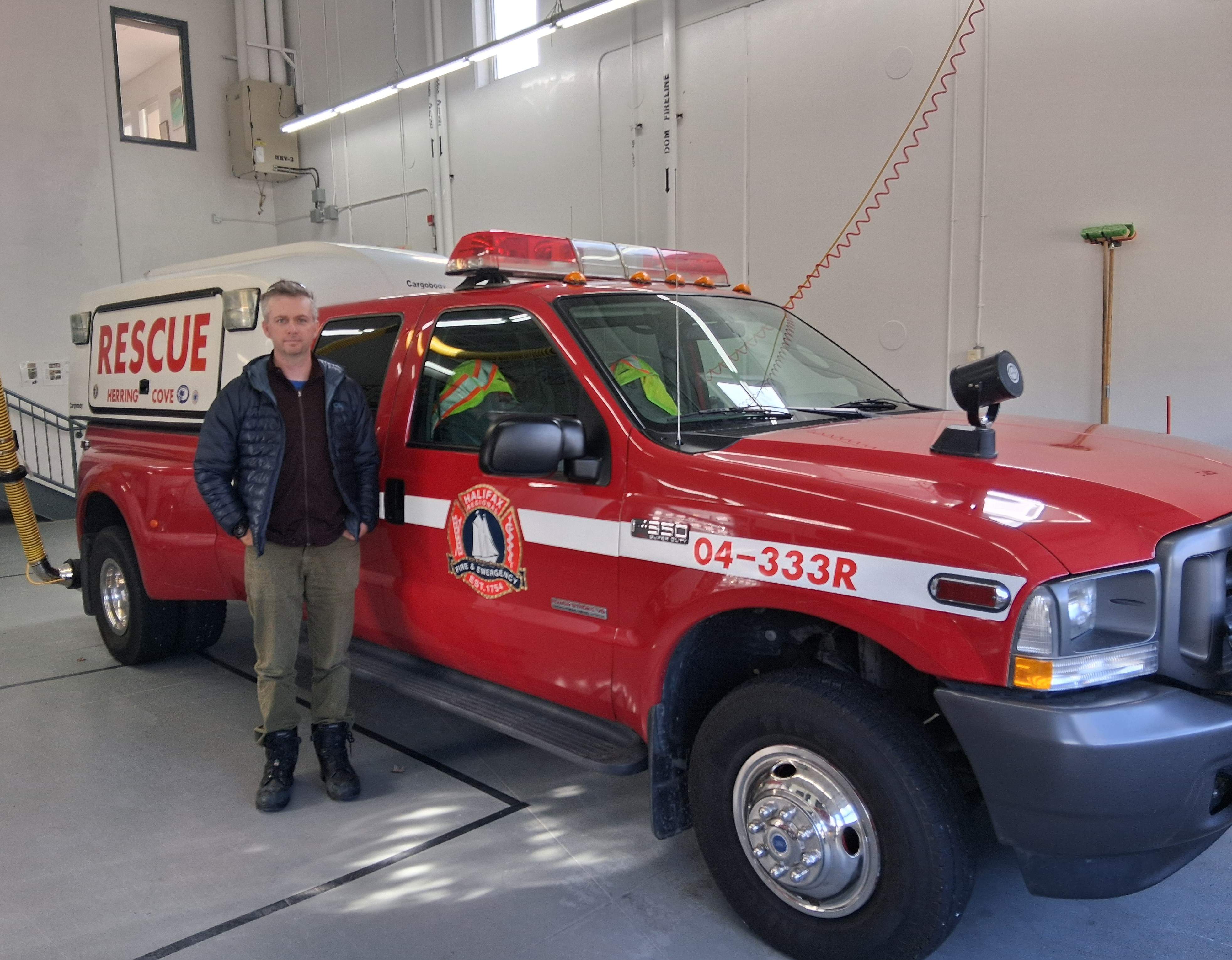
On the way back to Halifax we stopped at the Herrick Cove Volunteer Fire Station where my son Karl is the Captain. The station has five salaried career firefighters who are on call 24-7 and twenty four volunteer firefighters who respond to calls as needed.
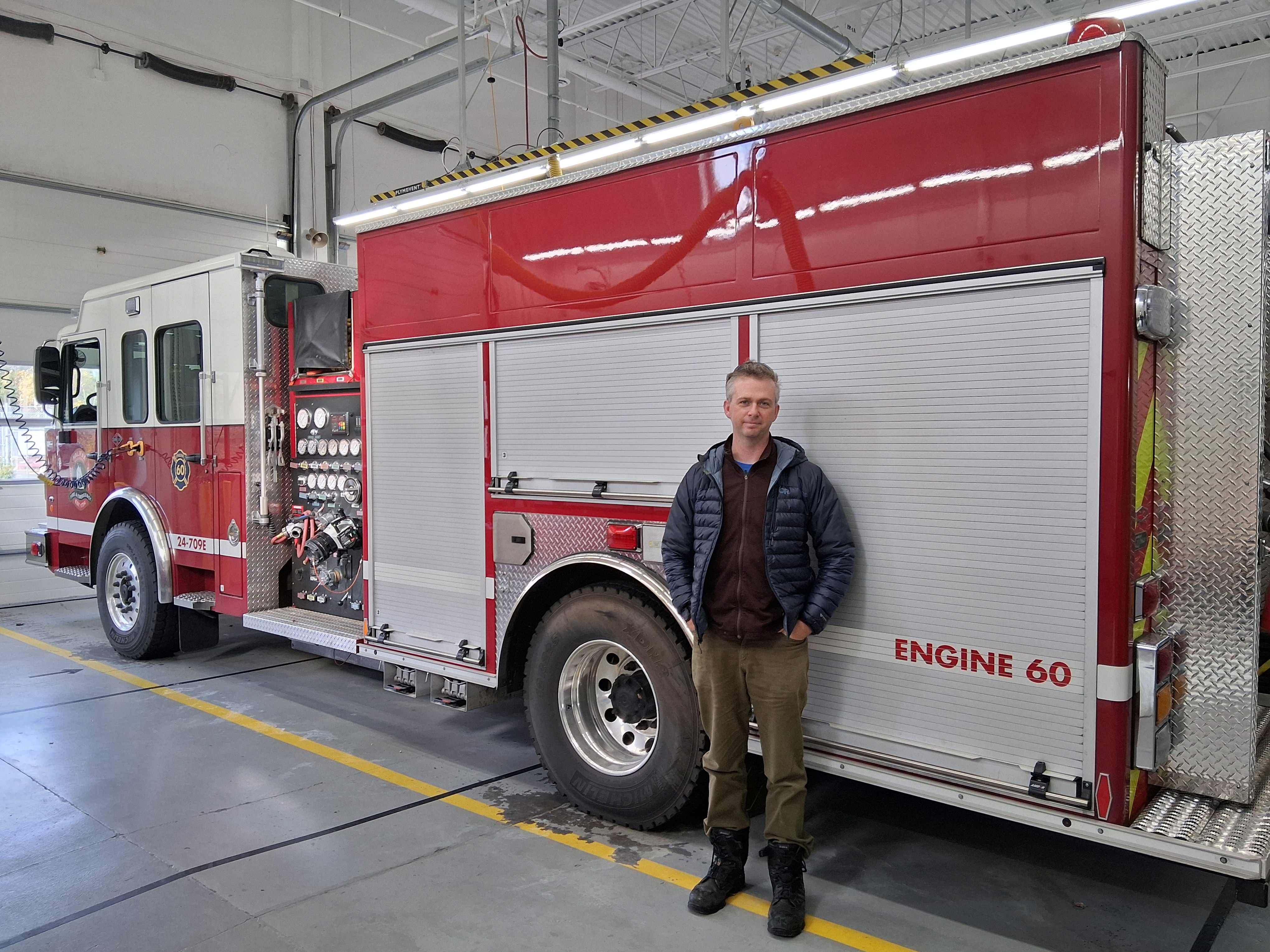
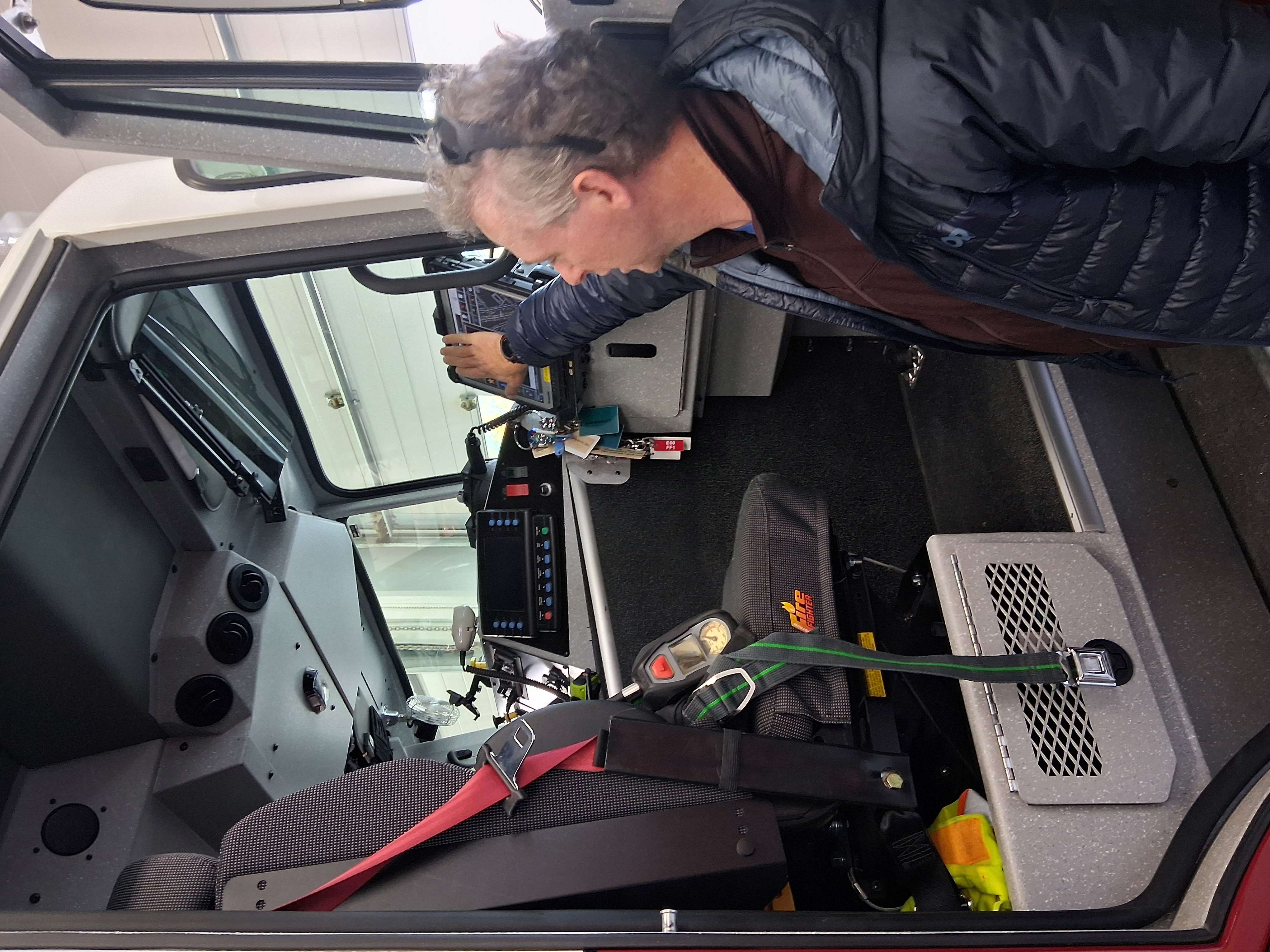
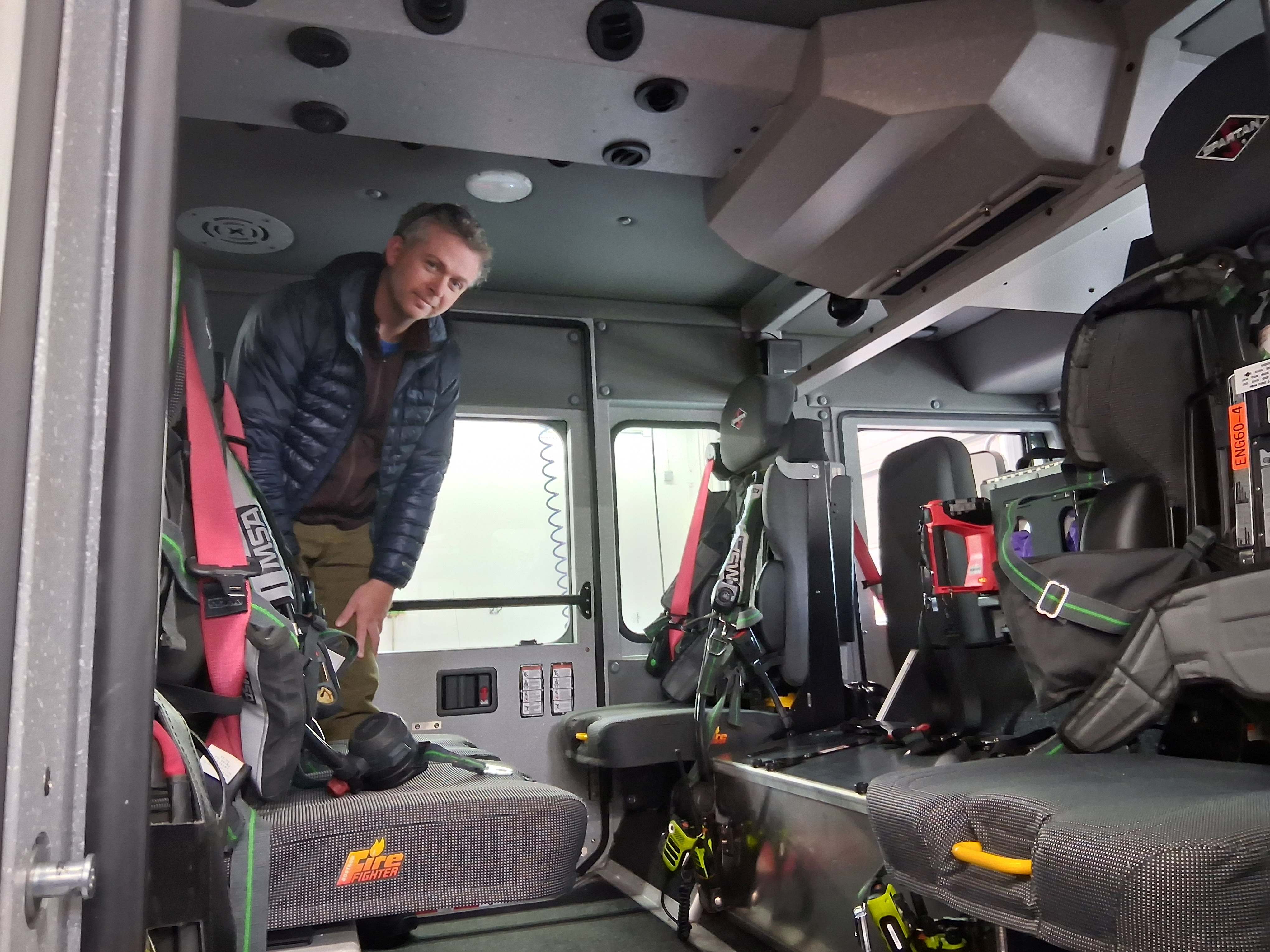
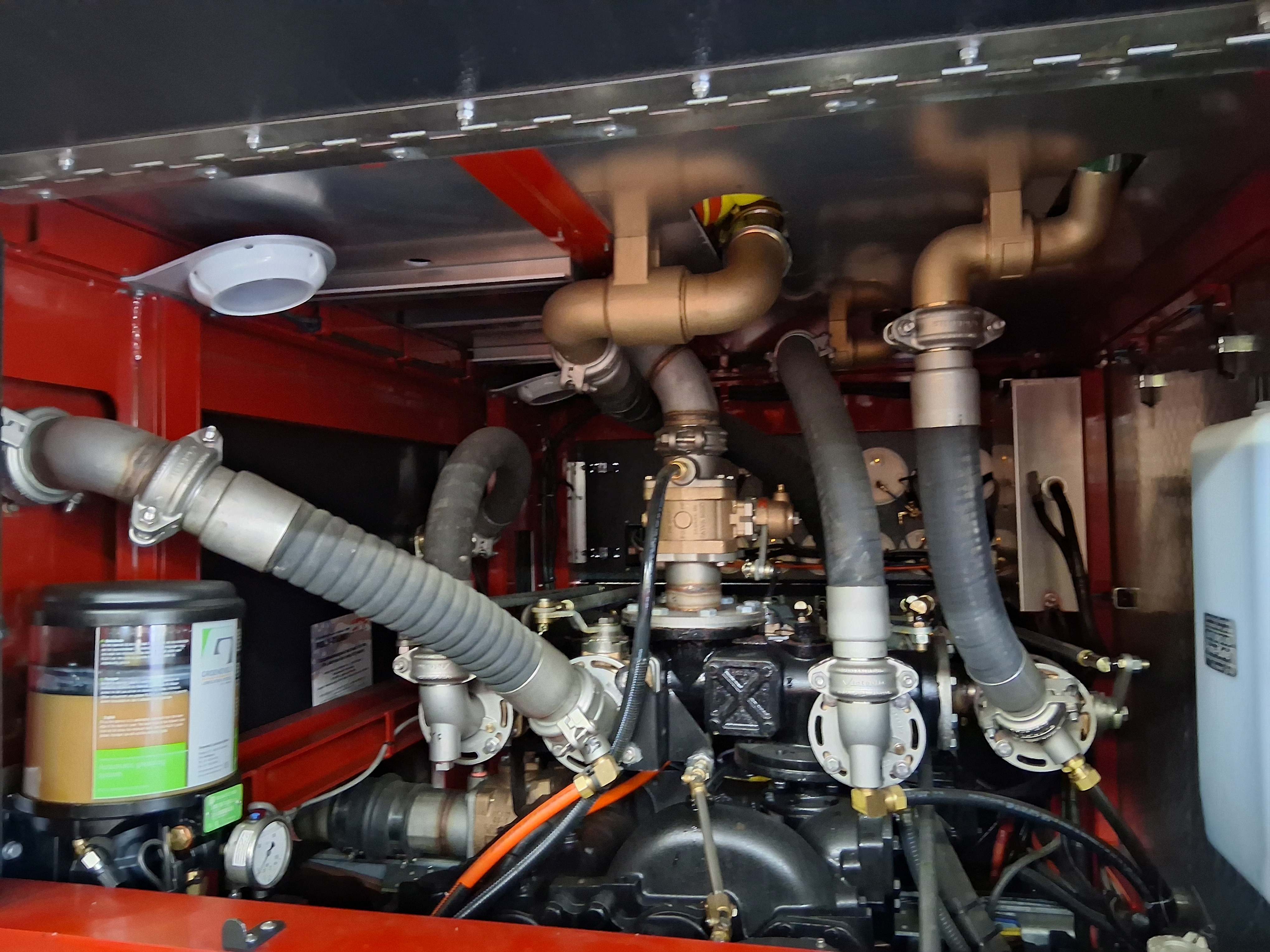
Engine 60 is only 3~4 months old, cost approx. $750,000, and is the workhorse with the pump that feeds up to four hoses. The captain rides in the right front seat with a driver who does not leave the truck. Four additional firefighters ride in the crew cab where they gear up on the way to a fire. Engine 60 carries oxygen tanks for crew, fire hose, and specialty tools like chain saws, “jaws of life,” etc.
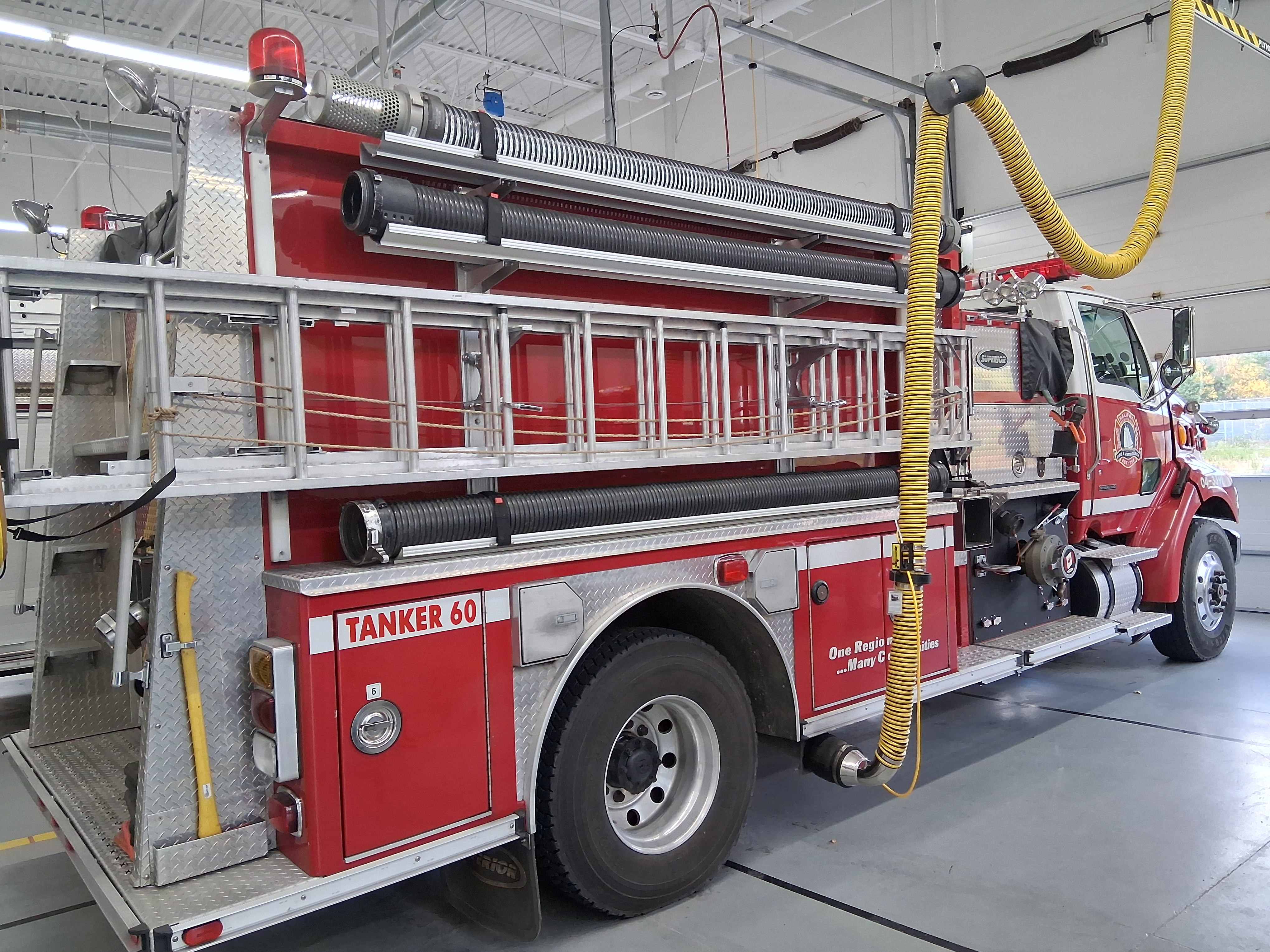
Tanker 60 carries approx. 1200 gal. of water, 1.5 km. of fire hose, and two ladders, one of which is a 2-flight ladder that will support a fireman in full gear carrying a second person in the case of rescues from upper stories.
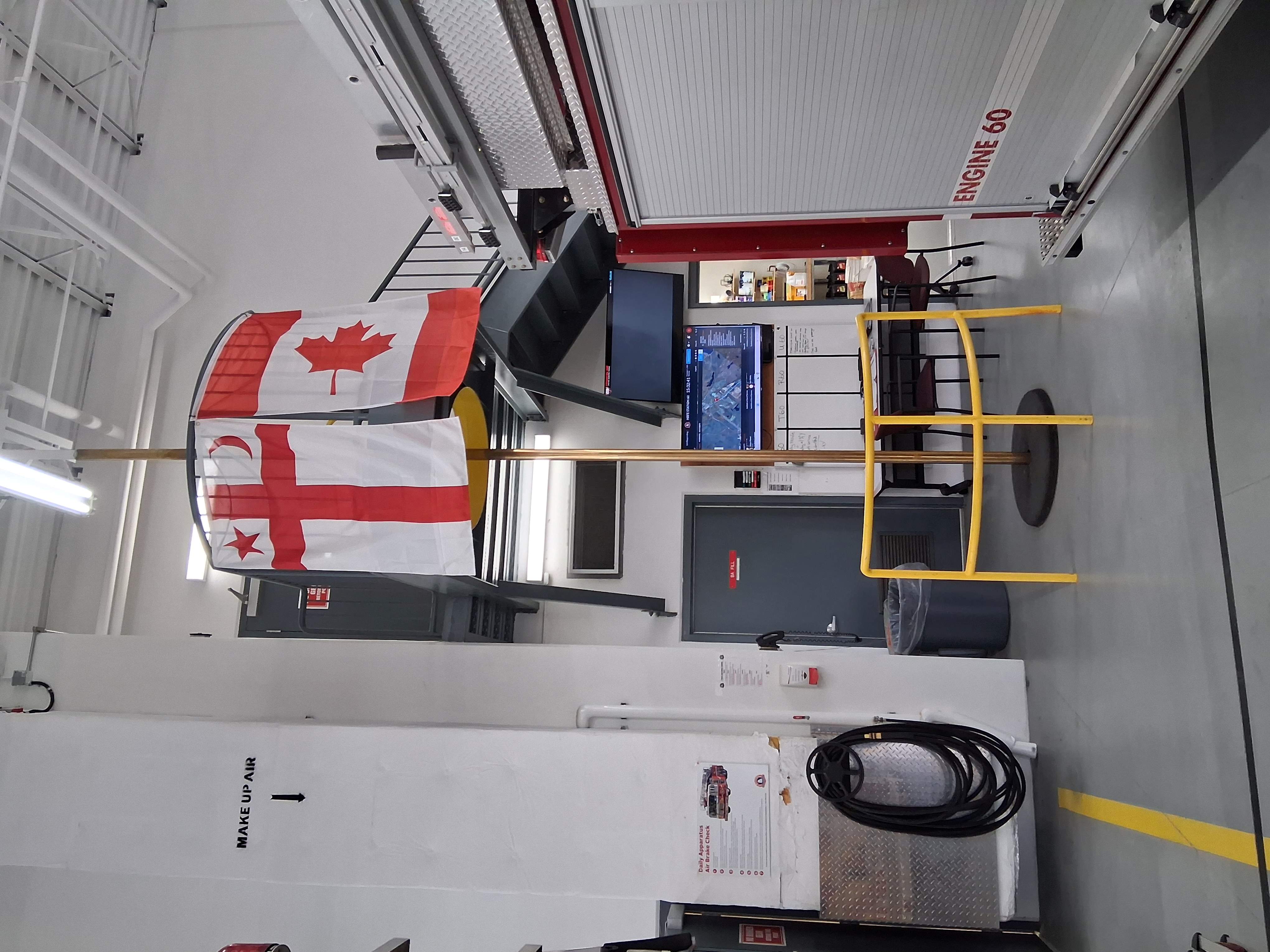
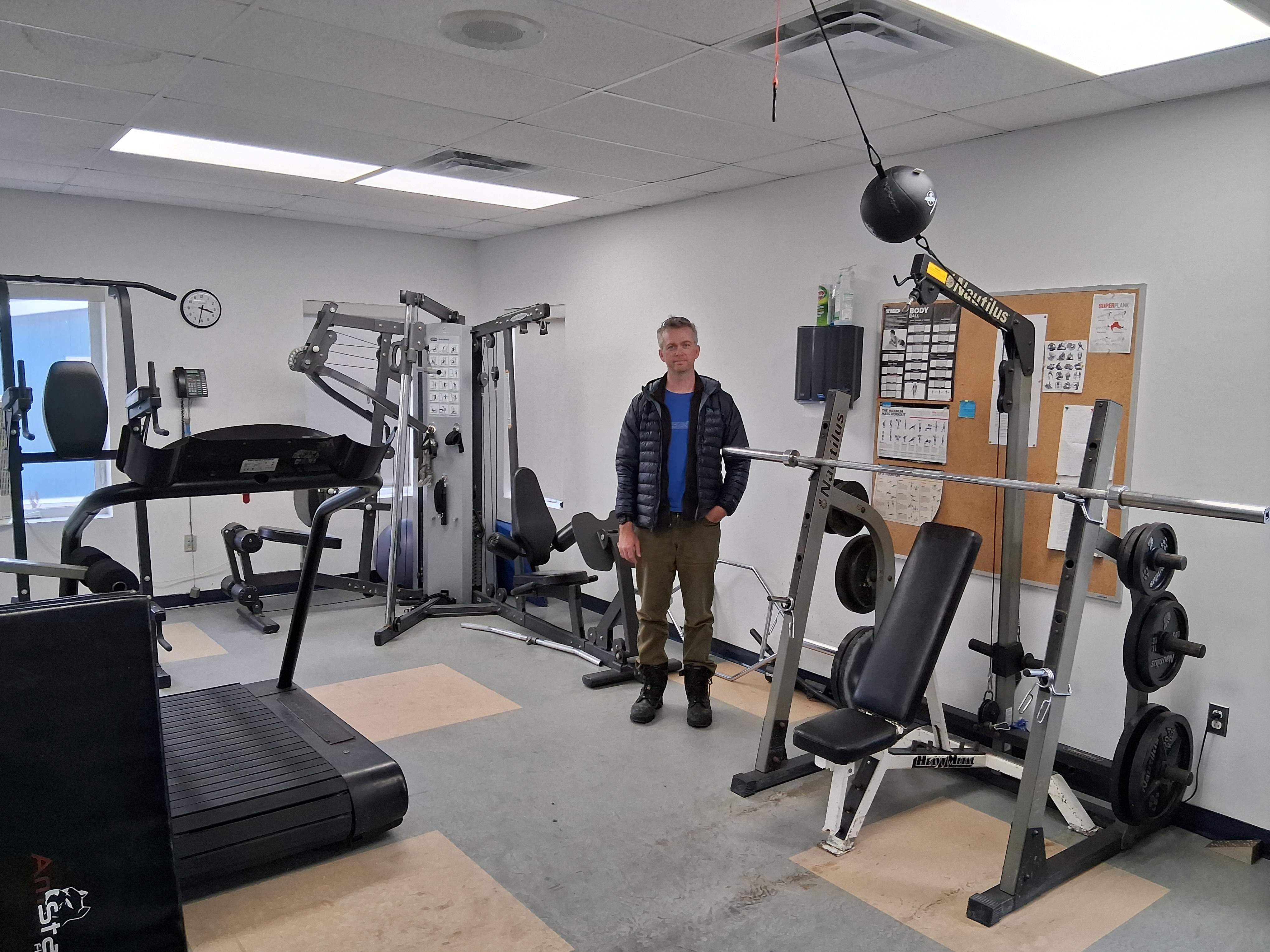
Bunks, bathrooms, kitchen, break room, gym, and Karl’s office are on the 2nd floor. There is a traditional fire pole for firefighters to descend quickly from the 2nd floor. You see the Canadian flag along with one with the star, crescent, and red cross that is the Mi’kmaq flag of the indigenous people. Here’s a good place to mention that the Acadians have their own flag which is the French Tricolor with a yellow star in the upper left corner. I see it flown on homes of those who identify as Acadians.

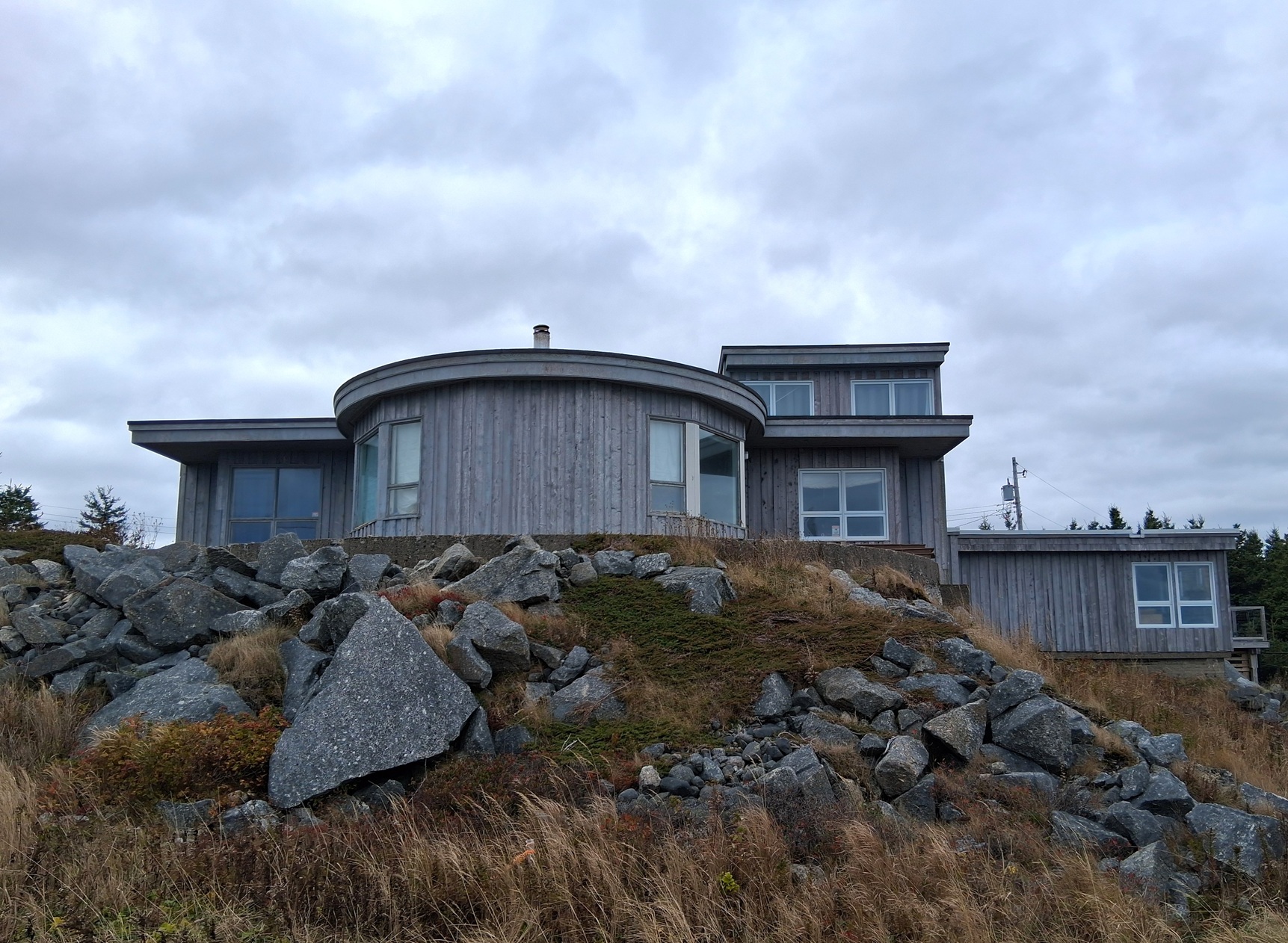
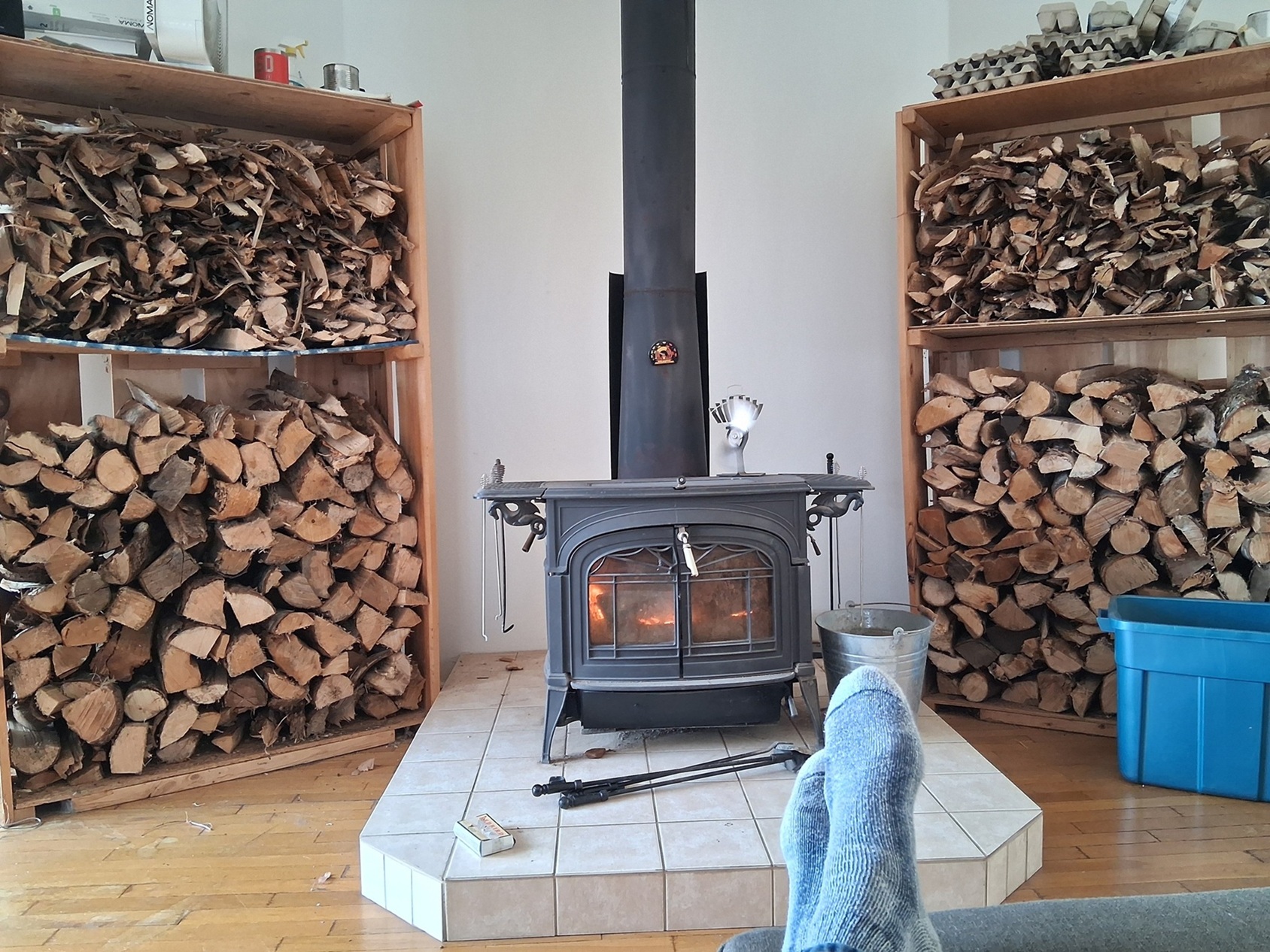
Karl’s house in Duncans Cove is about 20 minutes from Halifax and adjoins a Provincial Nature Reserve. Fox, bobcat, lynx, mink, weasel, and deer are all native to the area and will occasionally cross the lawn. In the winter months he has the wood stove to supplement electric heat, which makes for a cozy living room. [All photos Max Vollmer, Click on any image to enlarge]
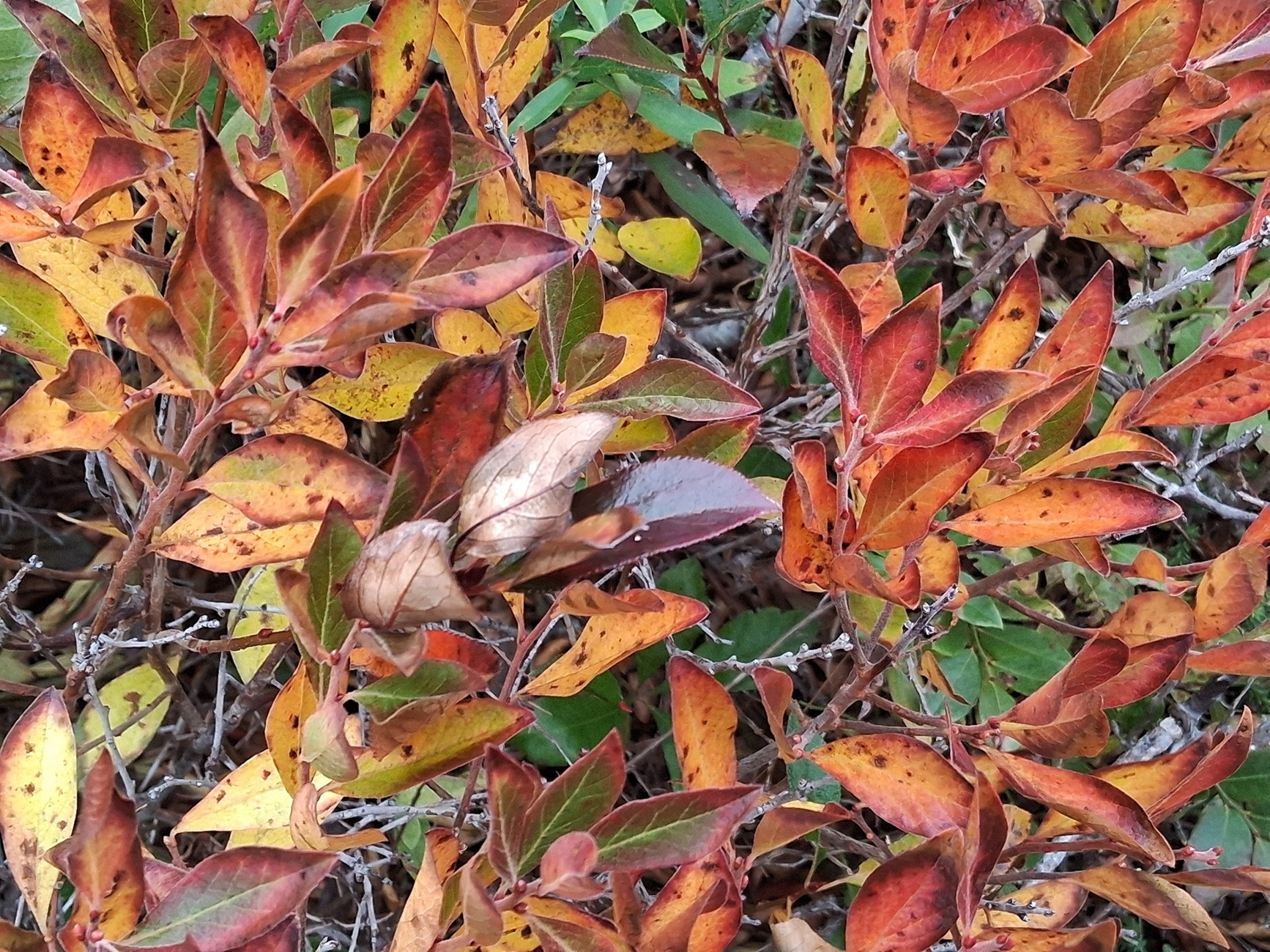
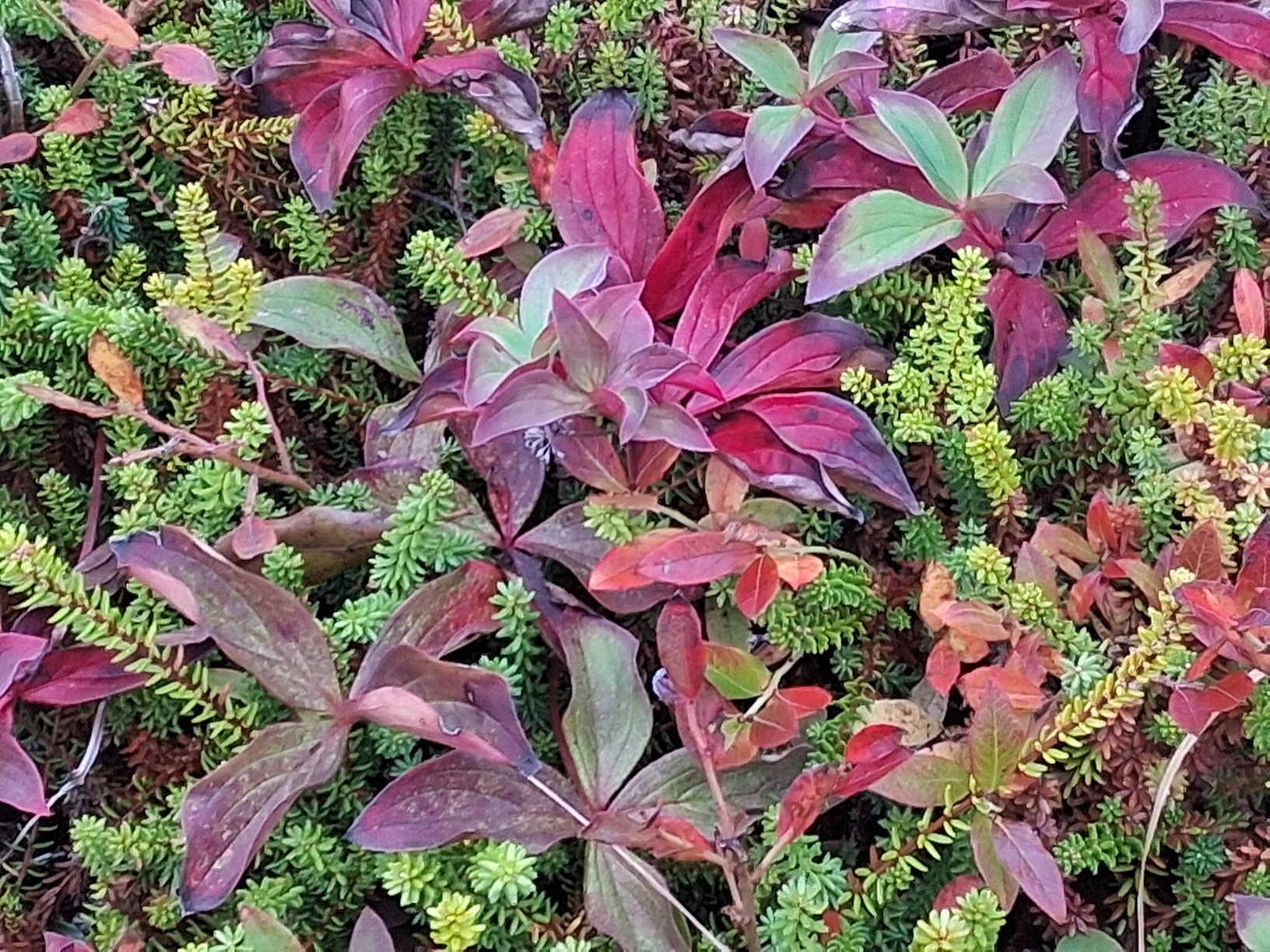
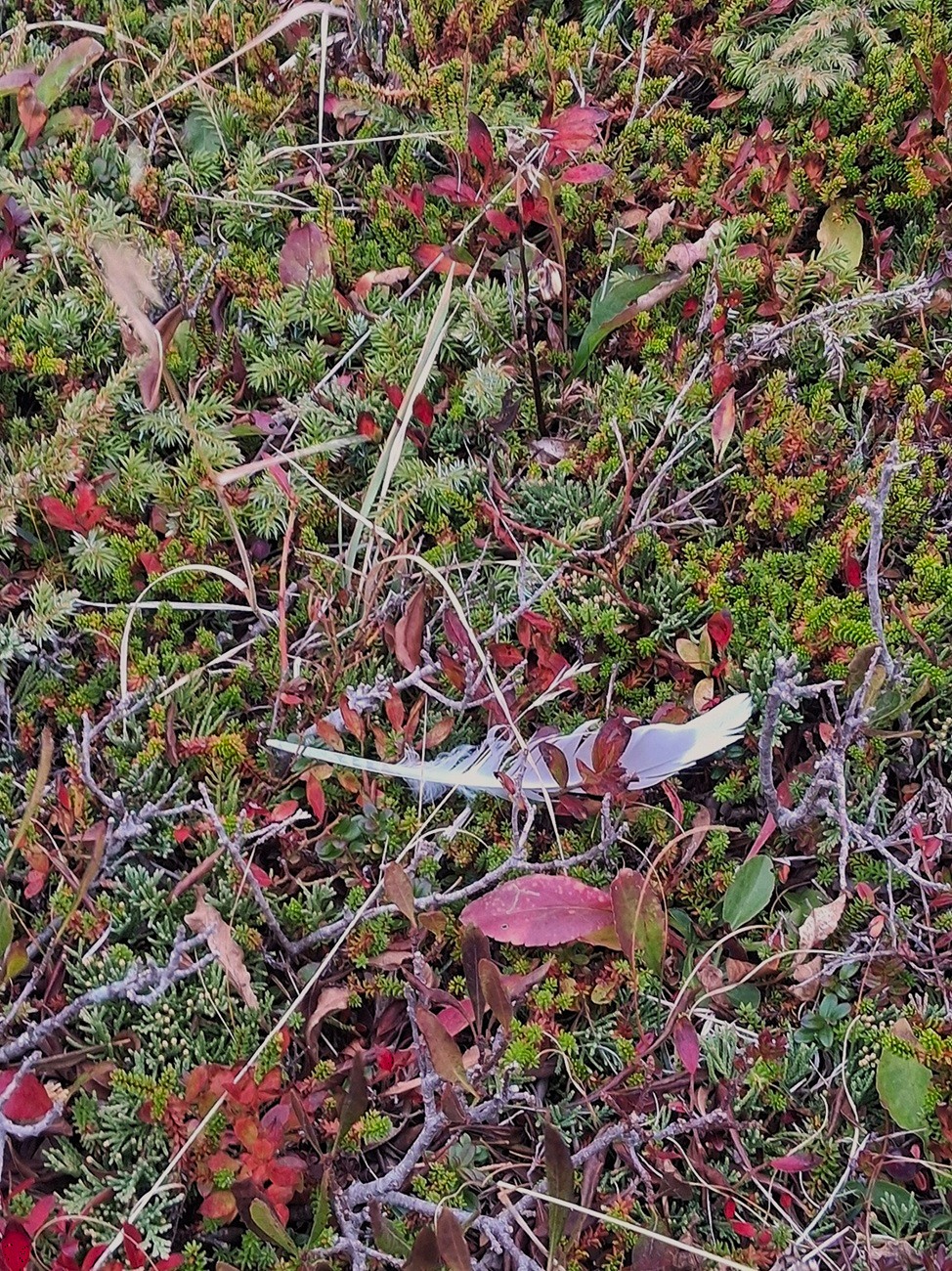
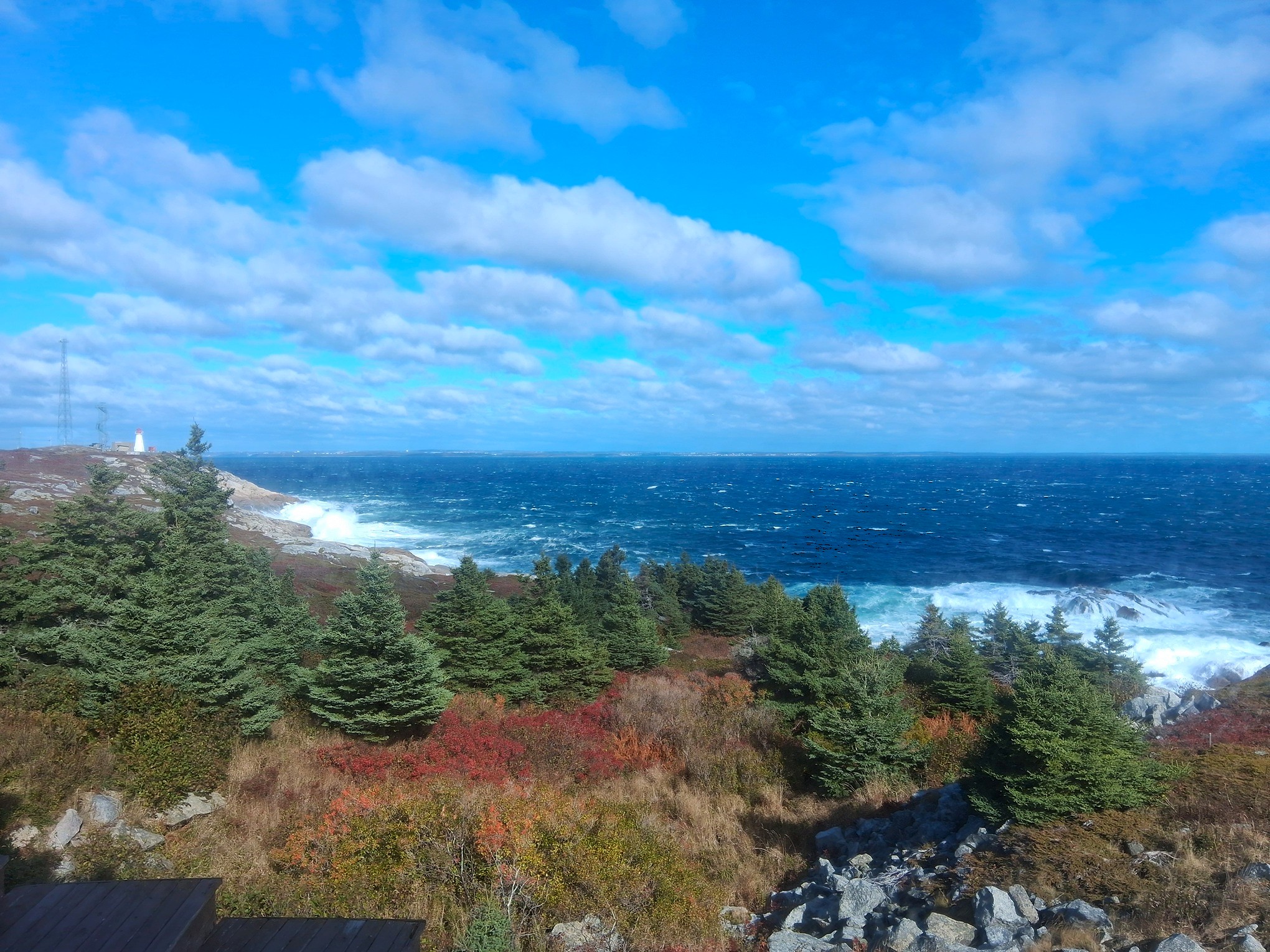
Spruce trees are sparse on the thin soil and the vegetation is buffeted by strong winds most days of the year.
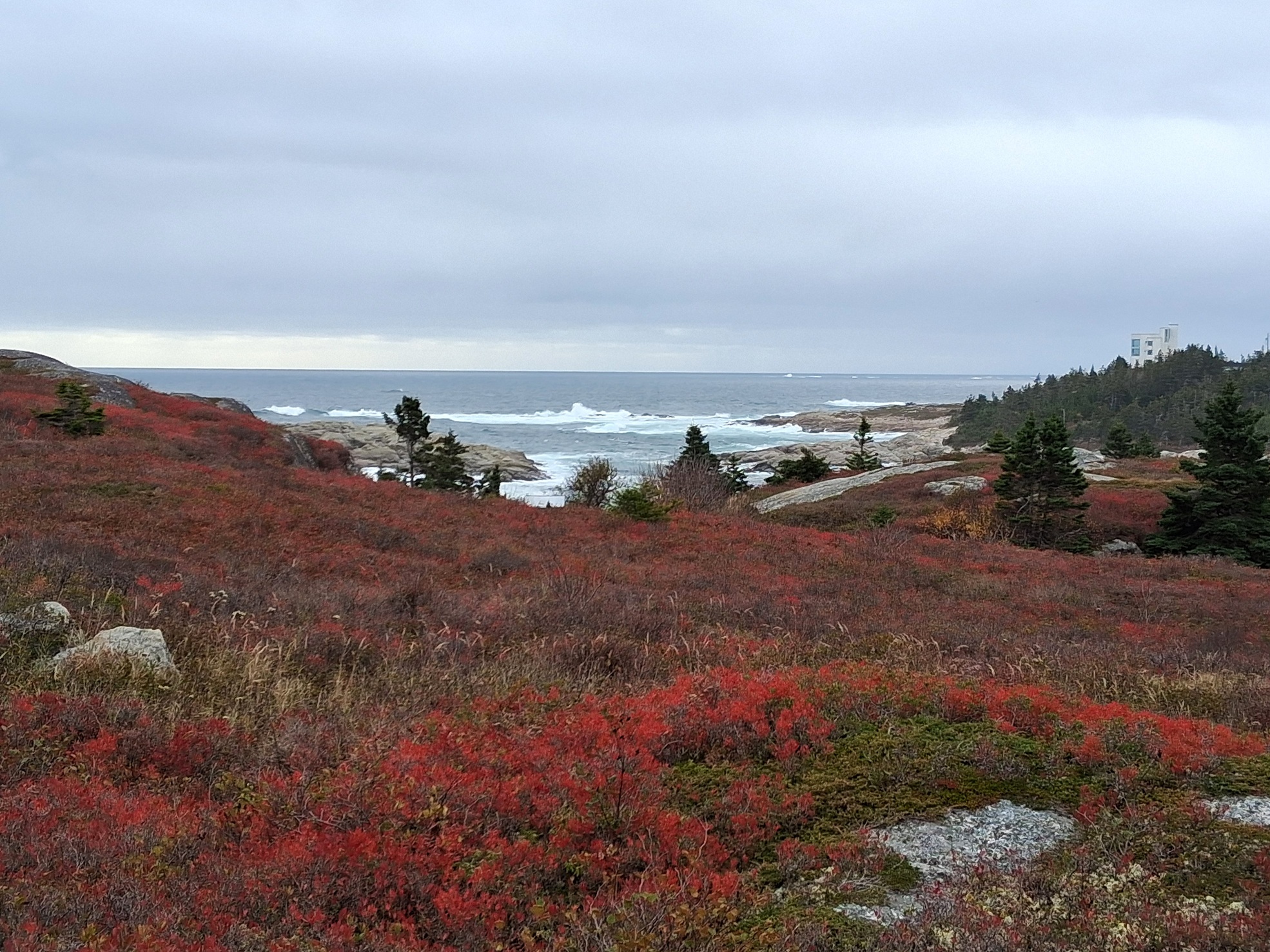
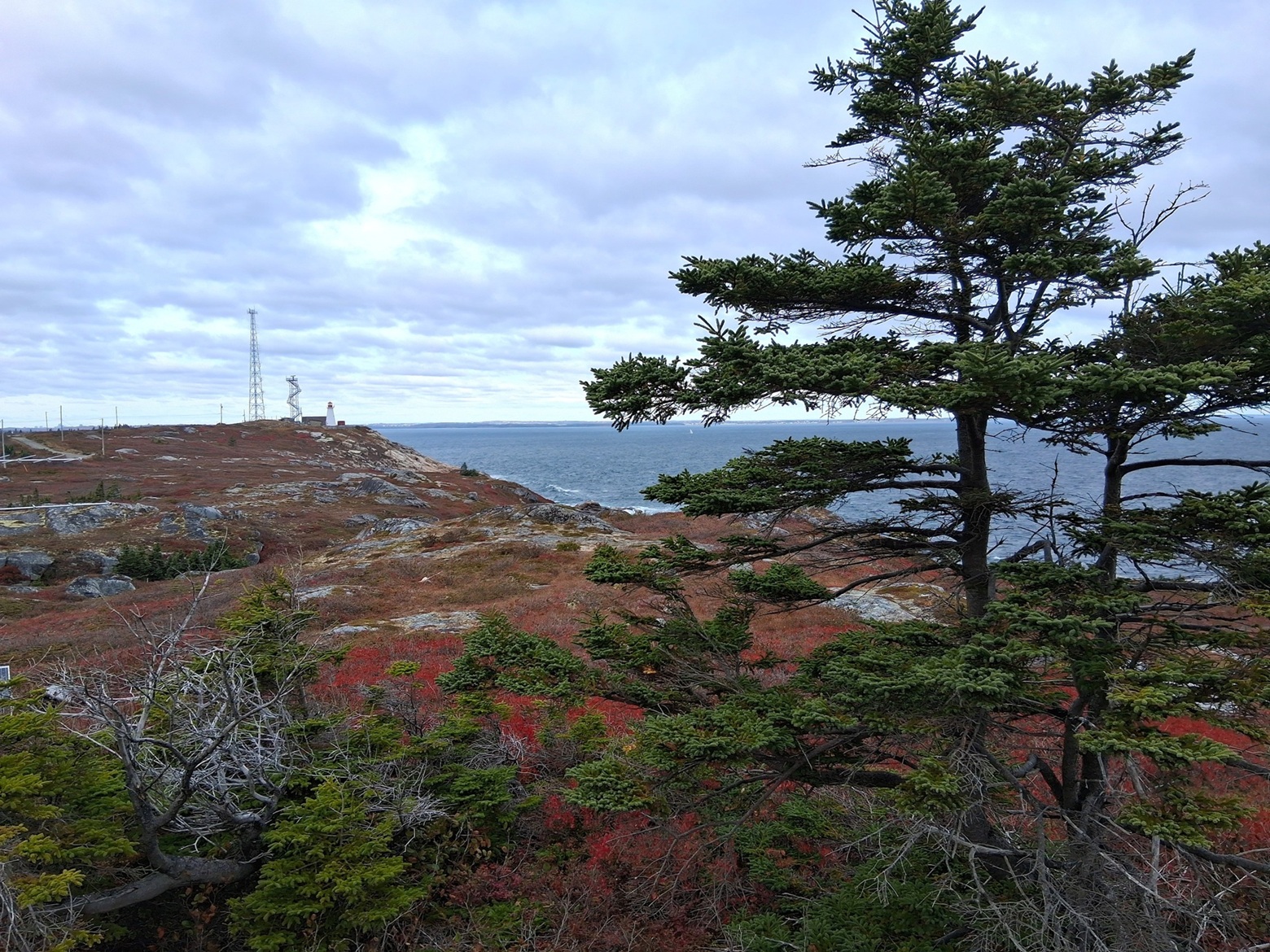
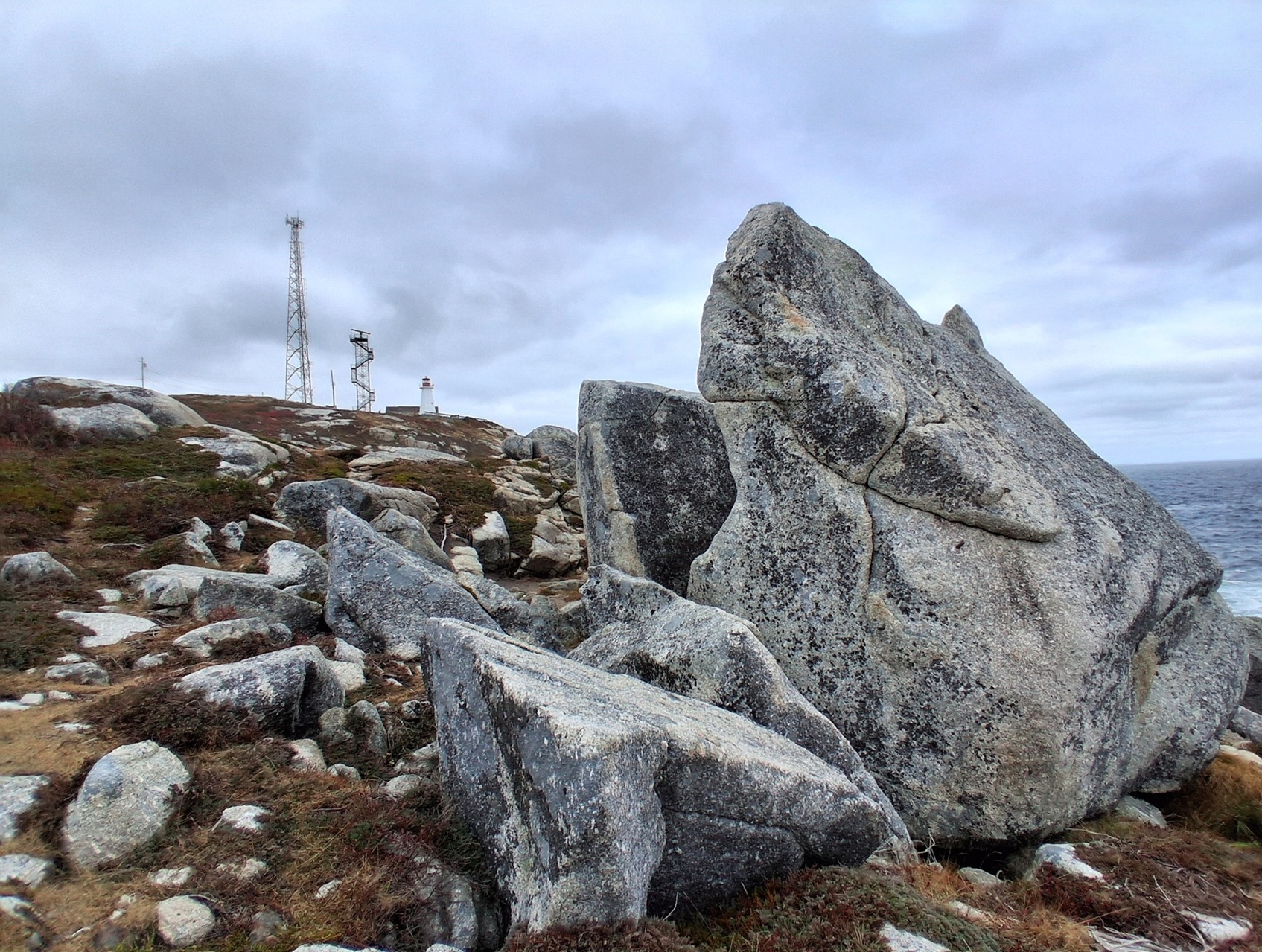
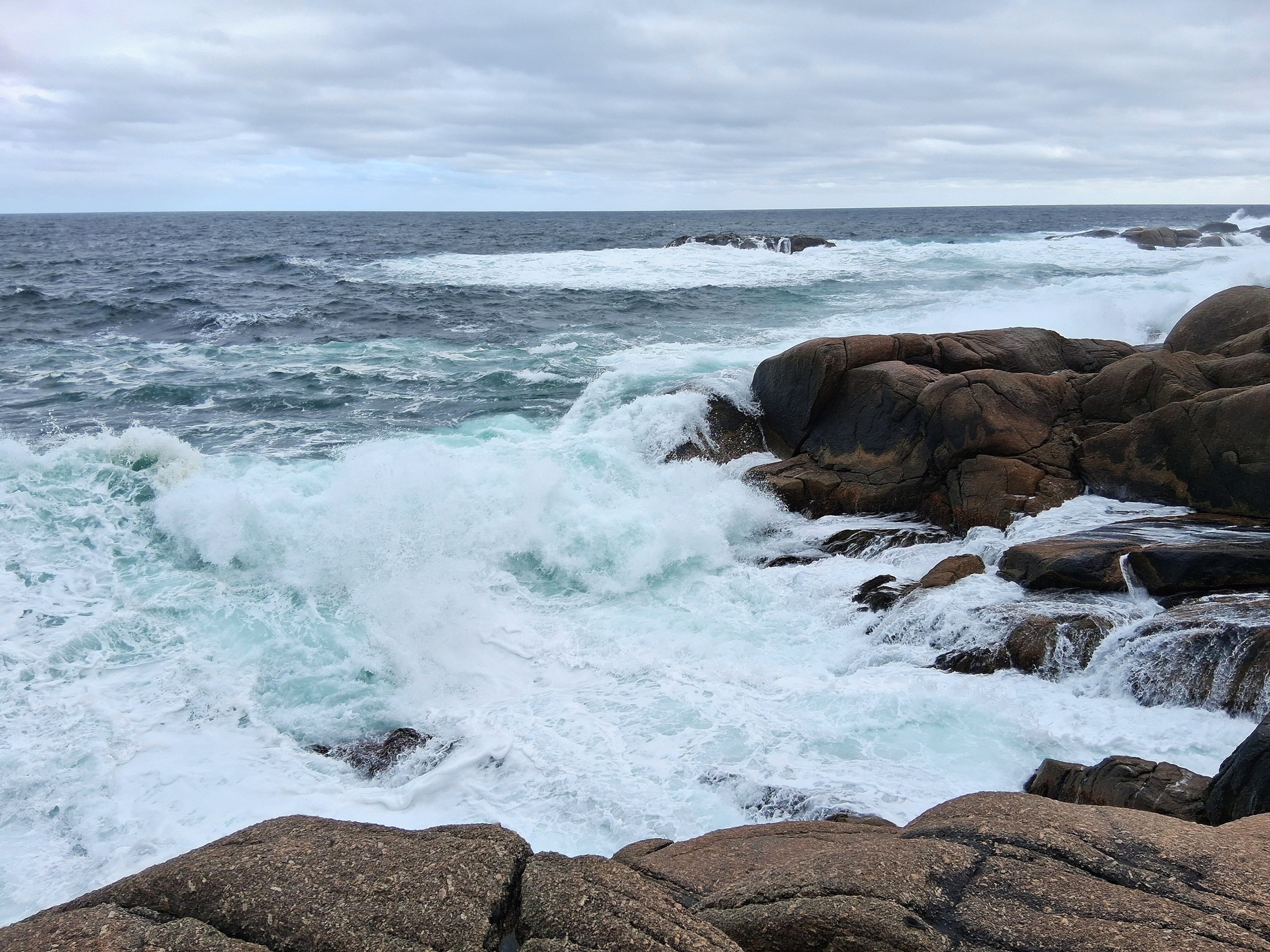
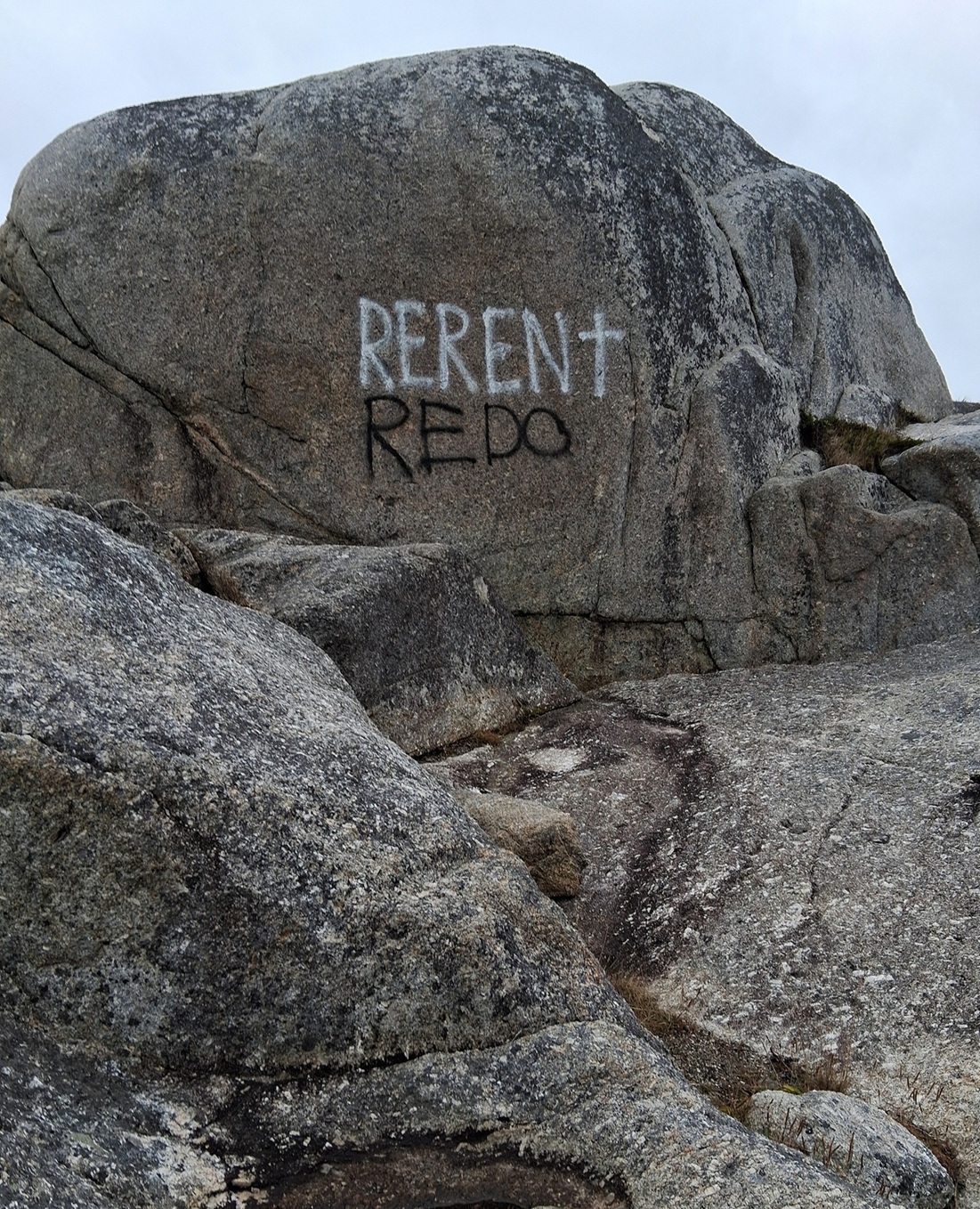
I hiked across the reserve to the lighthouse in 50 degree weather and then followed the rocks along the shoreline back to the house. Waves were modest today, October 30, but the effects of hurricane Melissa will bring heavy rain, strong winds, and high surf over the next two days, with the peak of the storm expected on Friday.
YESTERDAY, WEDNESDAY, OCTOBER 29
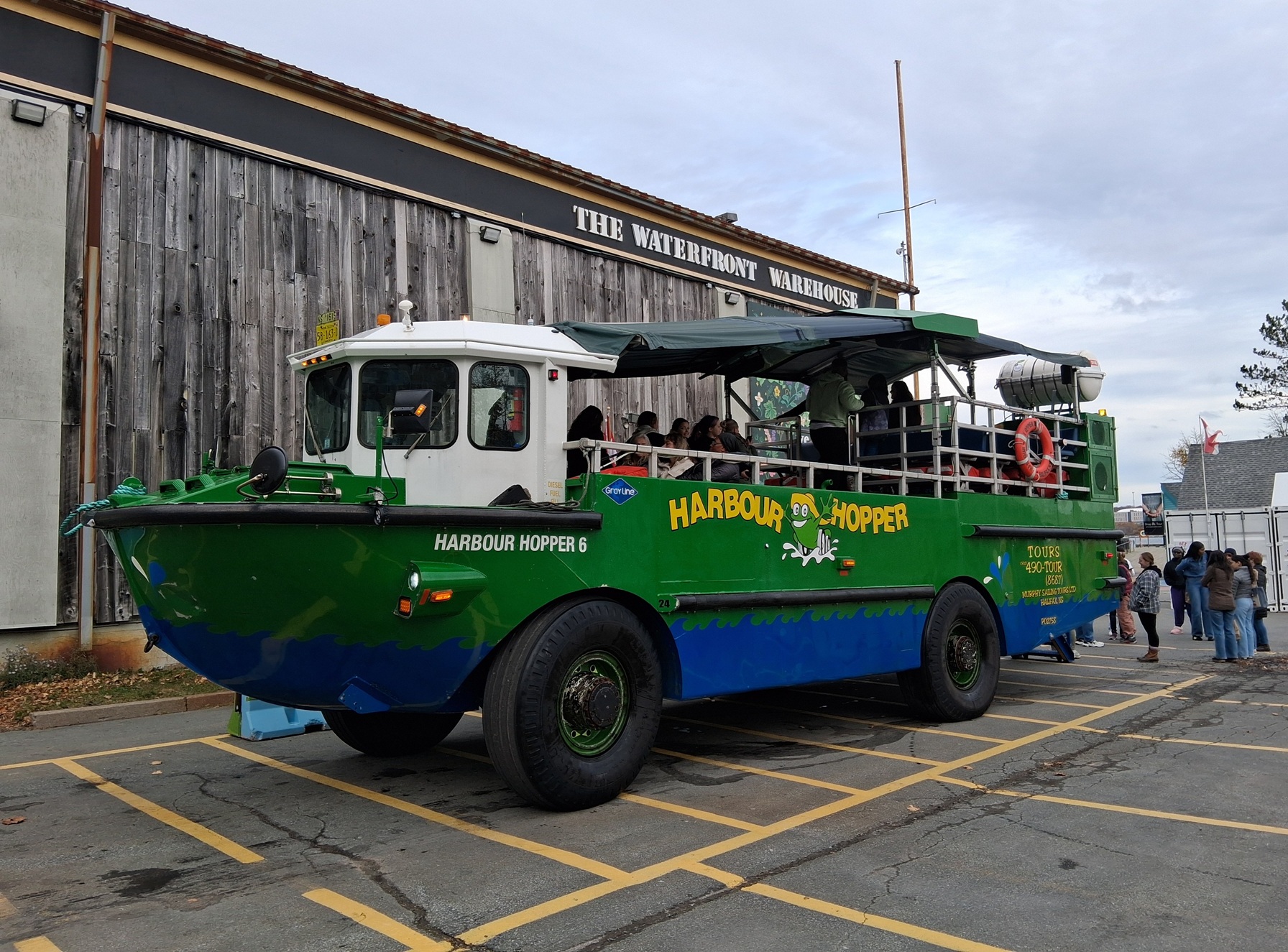
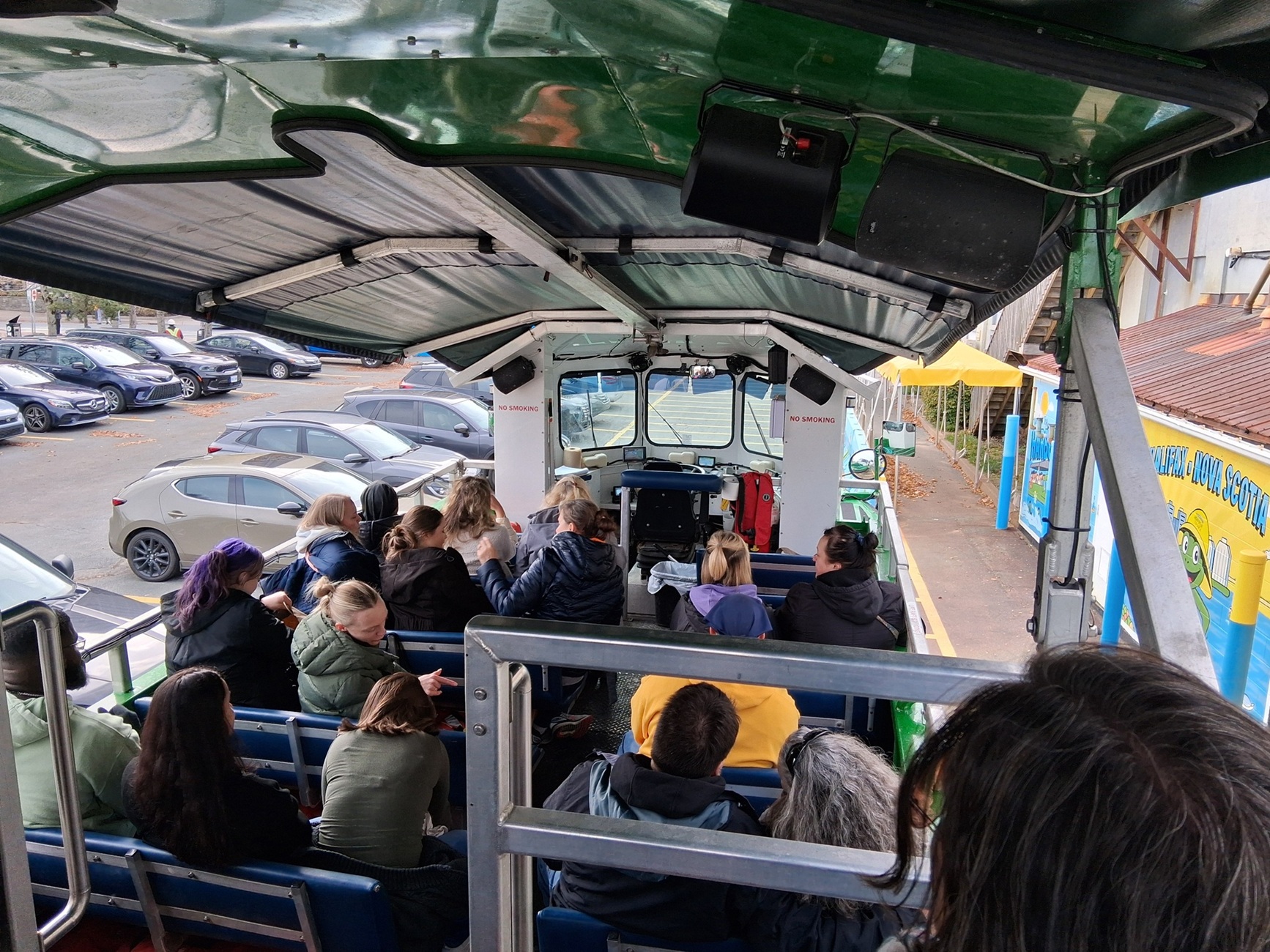
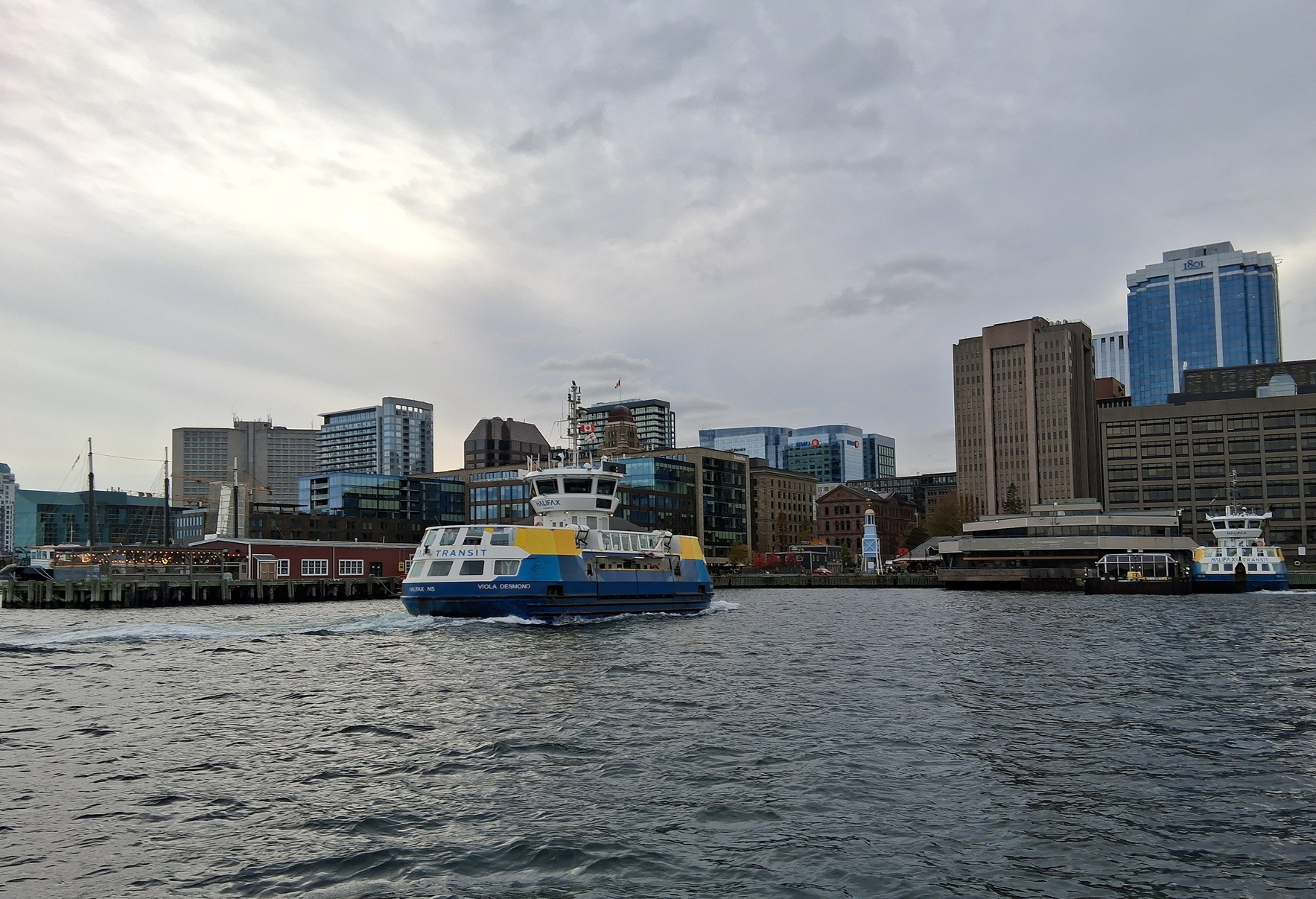
Karl and I rode the “Harbor Hopper,” a converted WW II amphibious vehicle that took us sightseeing around downtown Halifax and then, being amphibious, drove into the harbor so we could see the city from the water.
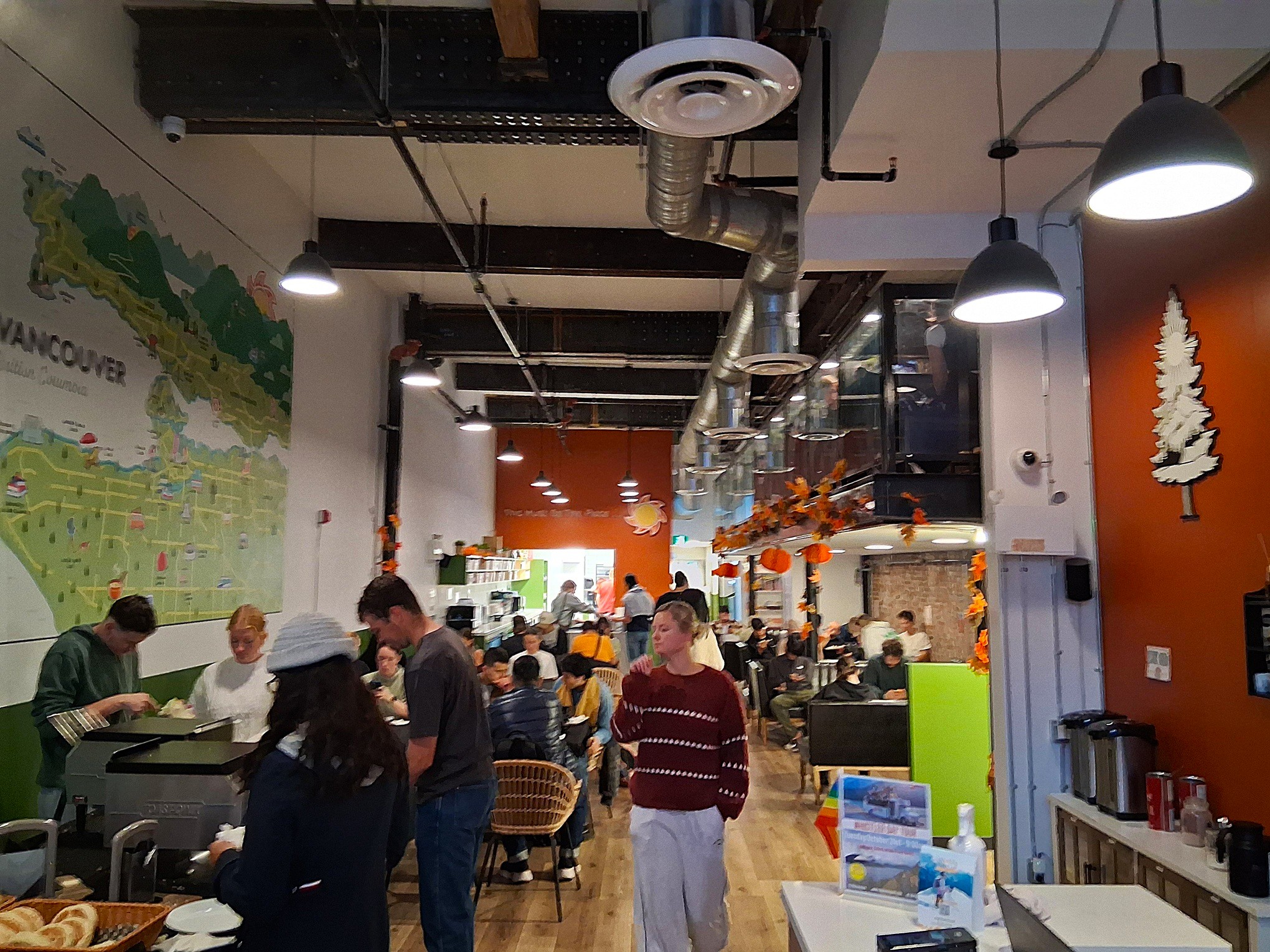
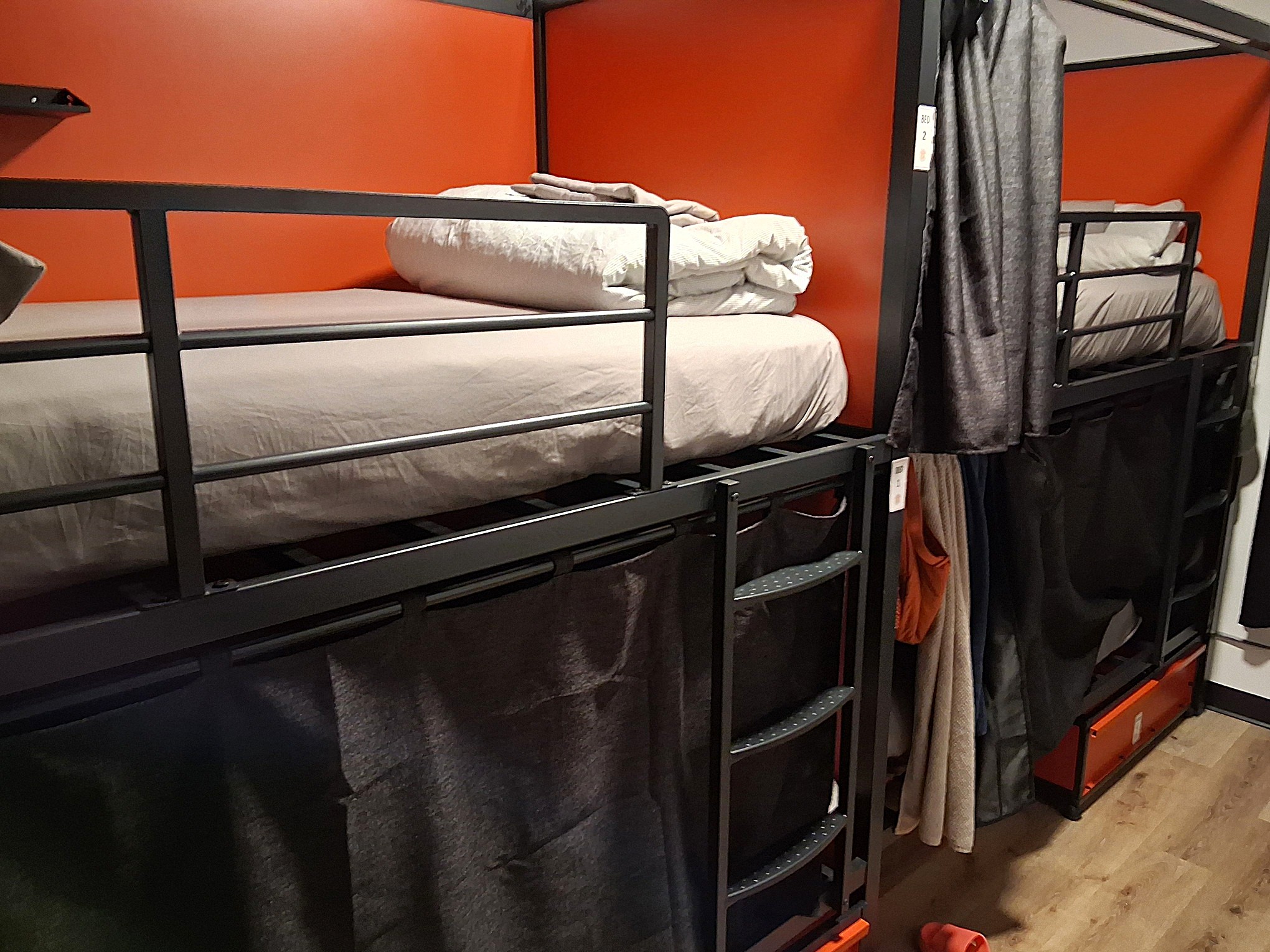
I made this trip by train on VIA Rail from Vancouver, BC, to Halifax, NS, to visit my son Karl. For the first two nights, I stayed in the Samsun Hostel in downtown Vancouver. It was affordable, efficiently laid out with individual rooms ( 4 or 8 beds), plus shower rooms and bathrooms on all four floors. Everything was kept very clean by staff and guests. Free, all-you-can-eat breakfast was a healthy mix of fresh fruits, cereals, and bagels with butter and jam. Staff provided the food, but guests bussed and washed all their own plates, bowls, cups, etc. in the kitchen area at the back of the main floor. [All photos Max Vollmer, Click on any image to enlarge]
I stayed in a 4-bed room and got a good night’s sleep both nights. Four metal lockers on rollers for personal belongings slid under the bottom bunks. Each bed also had a lamp and an outlet against its back wall to charge a phone, and a privacy curtain.
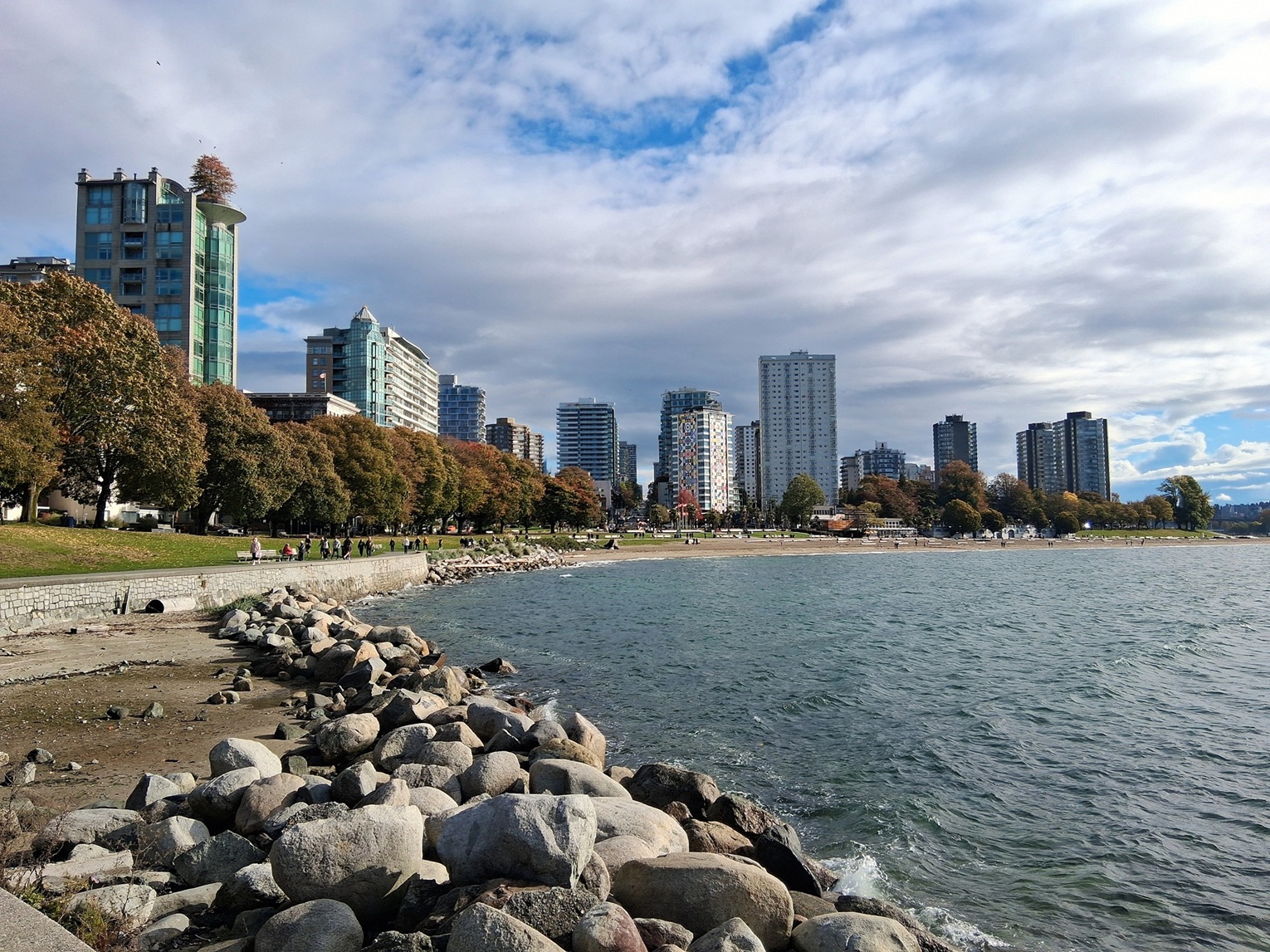
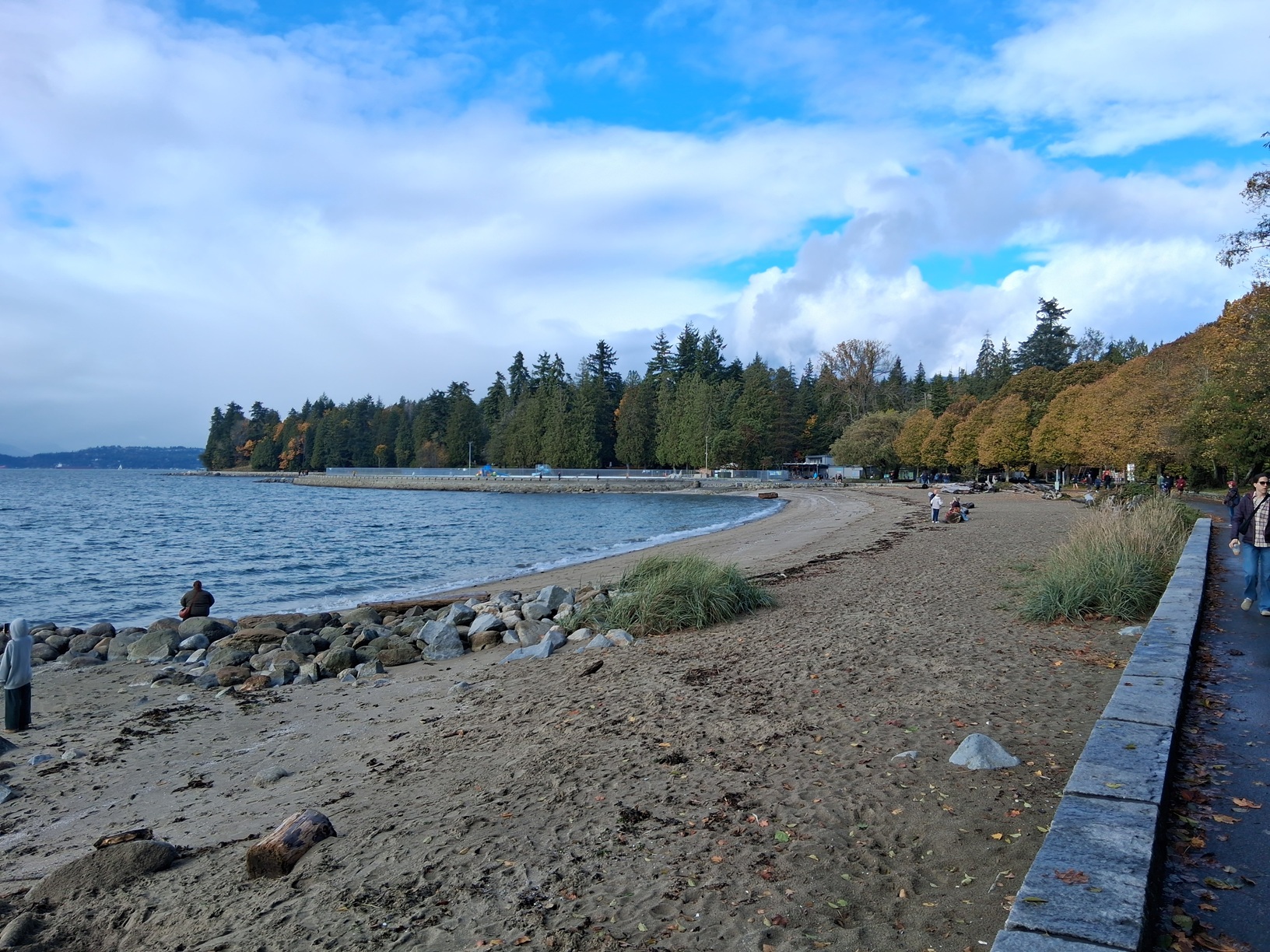
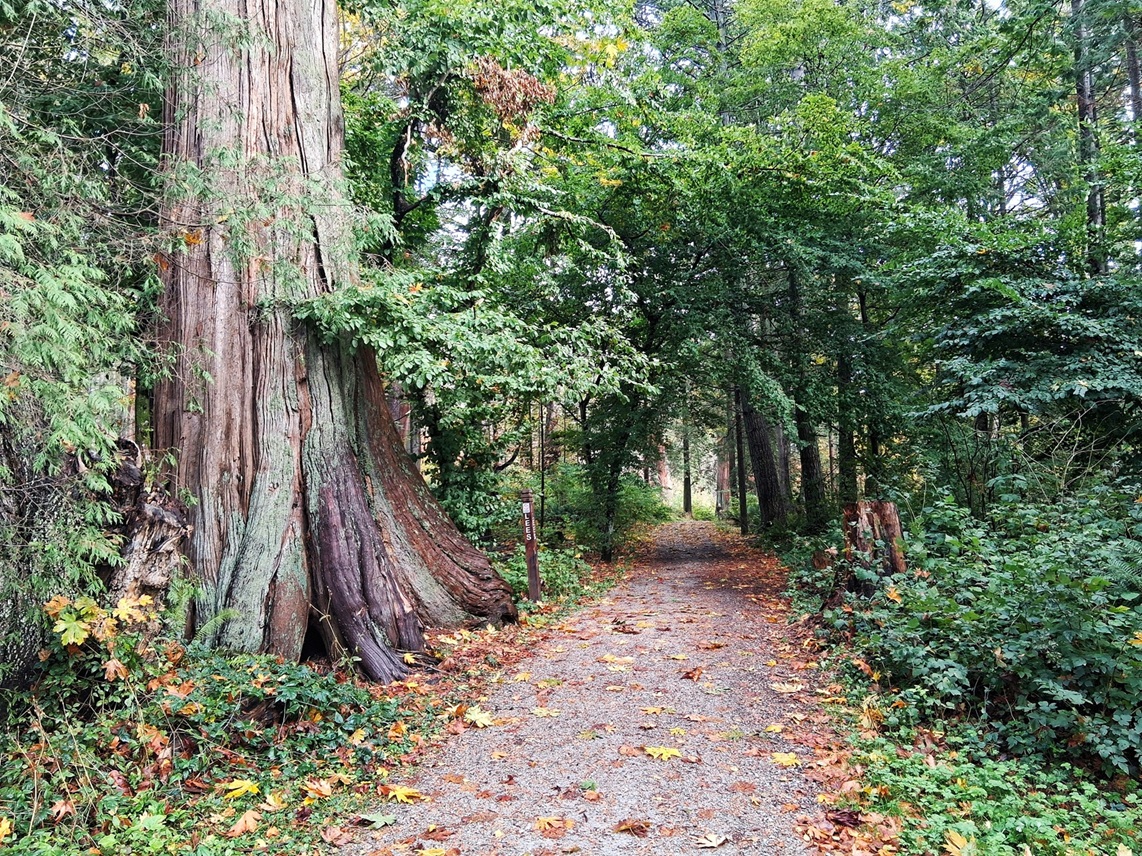
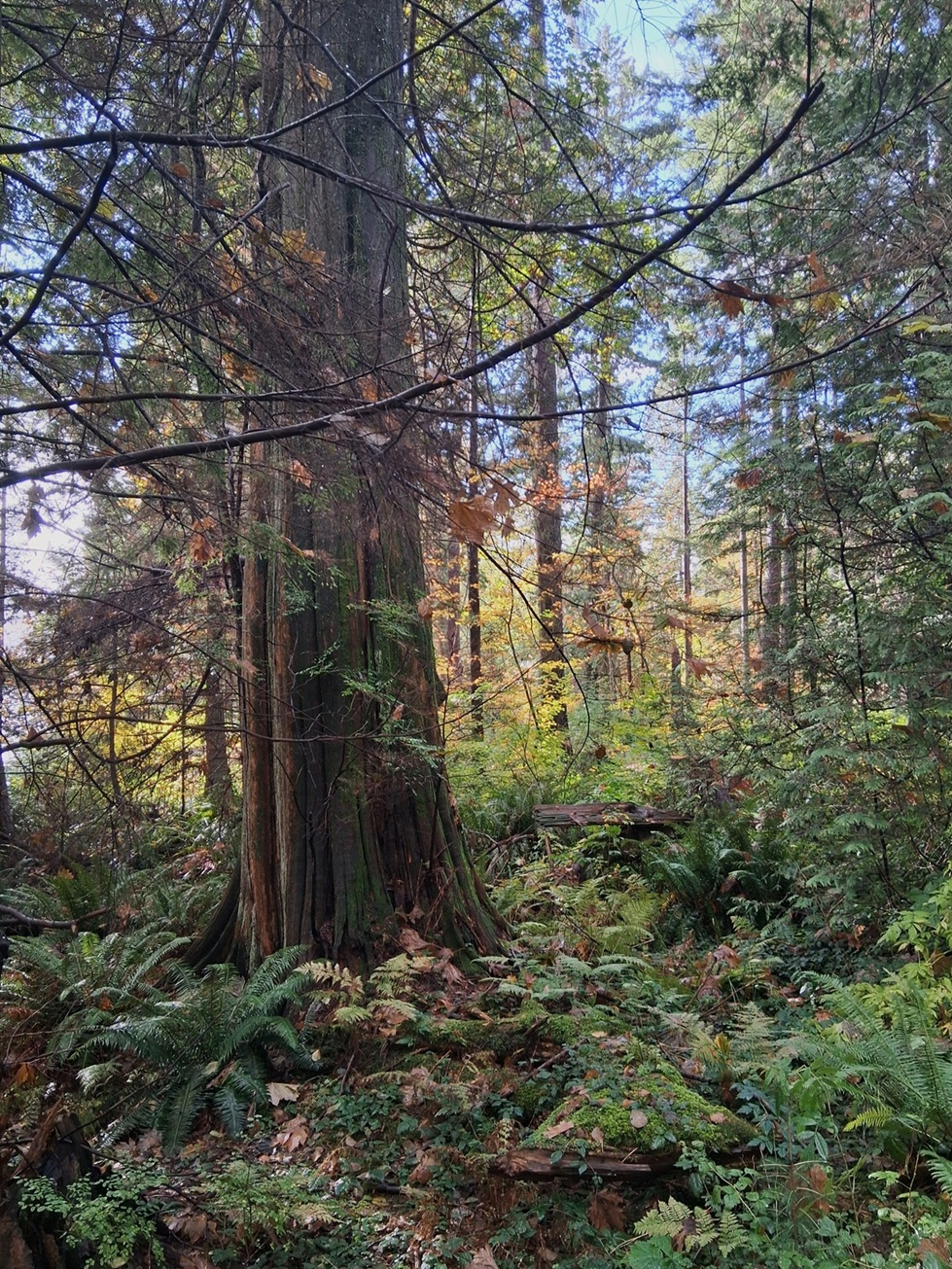
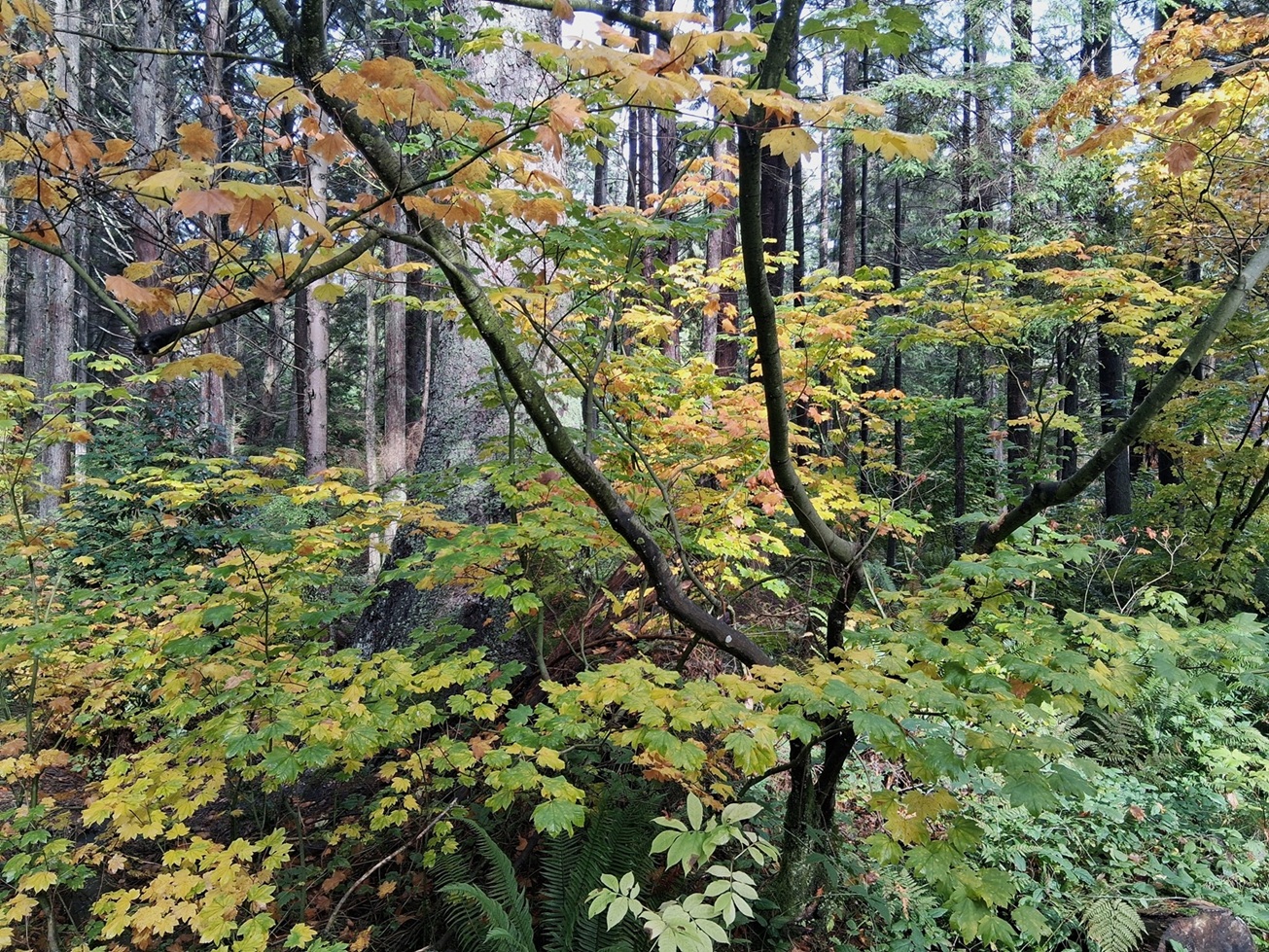
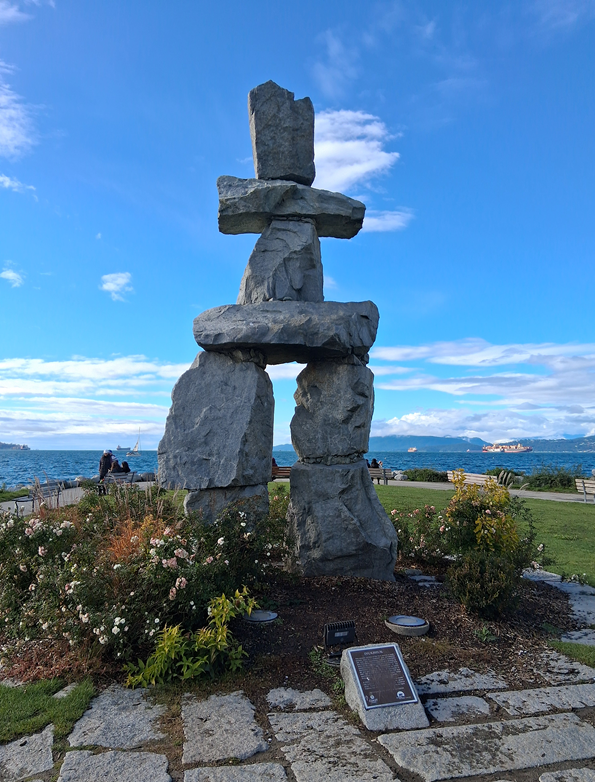
I had a full day to explore a little of the downtown and to walk along the seawall to Stanley Park, a preserve with an old growth forest of cedars, firs and maples on a promontory west of the city center.
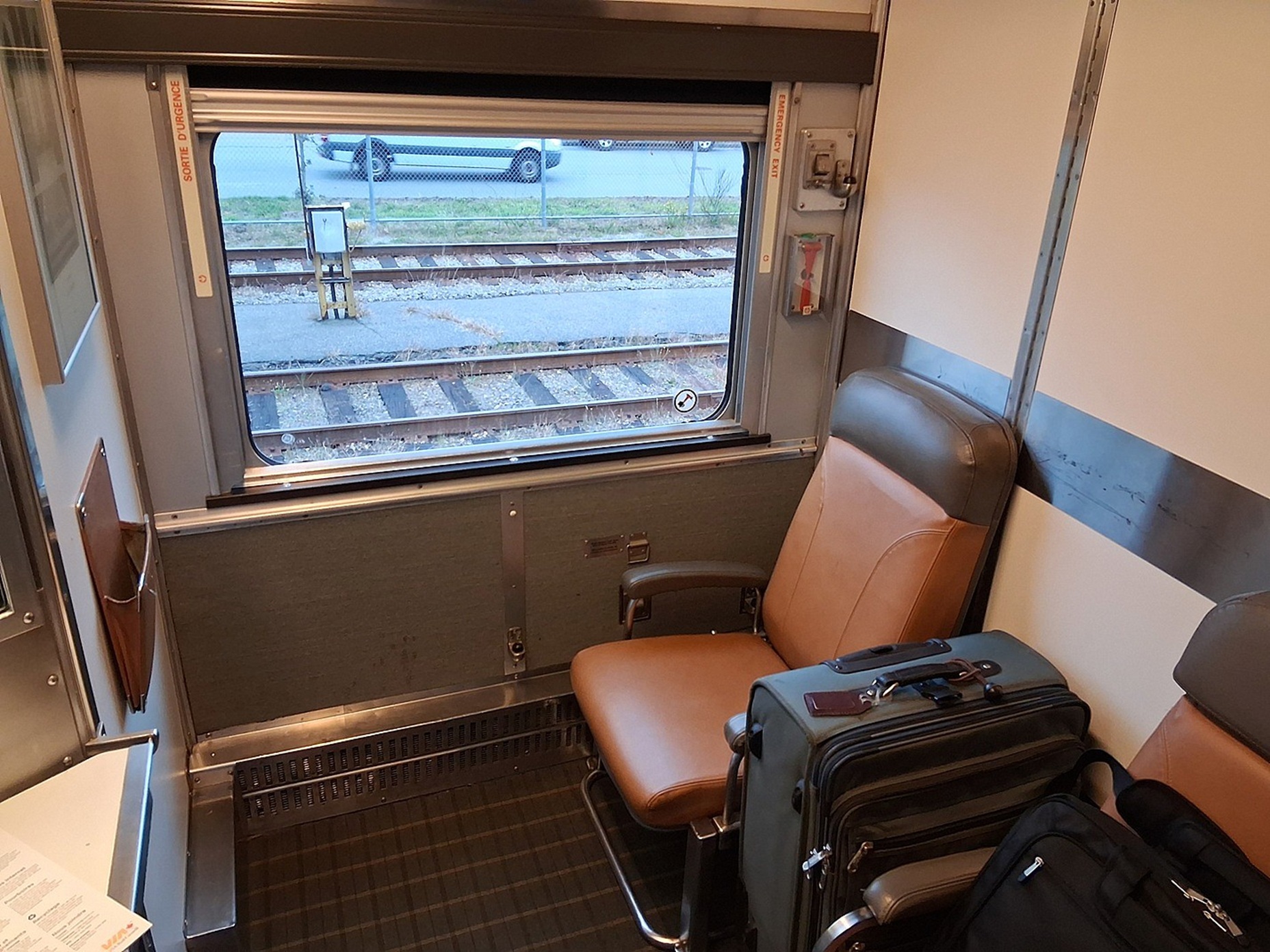
I boarded the Canadian, VIA Rail’s premier scenic run from Vancouver, BC, to Toronto, Ontario, on Sunday afternoon, 10/20. The entire train including my sleeper is vintage 1955, venerable but well maintained, with lots of solid stainless steel and aluminum trim and a few genuine leather details. I had my cabin, meant for two, to myself and appreciated the quiet comfort.
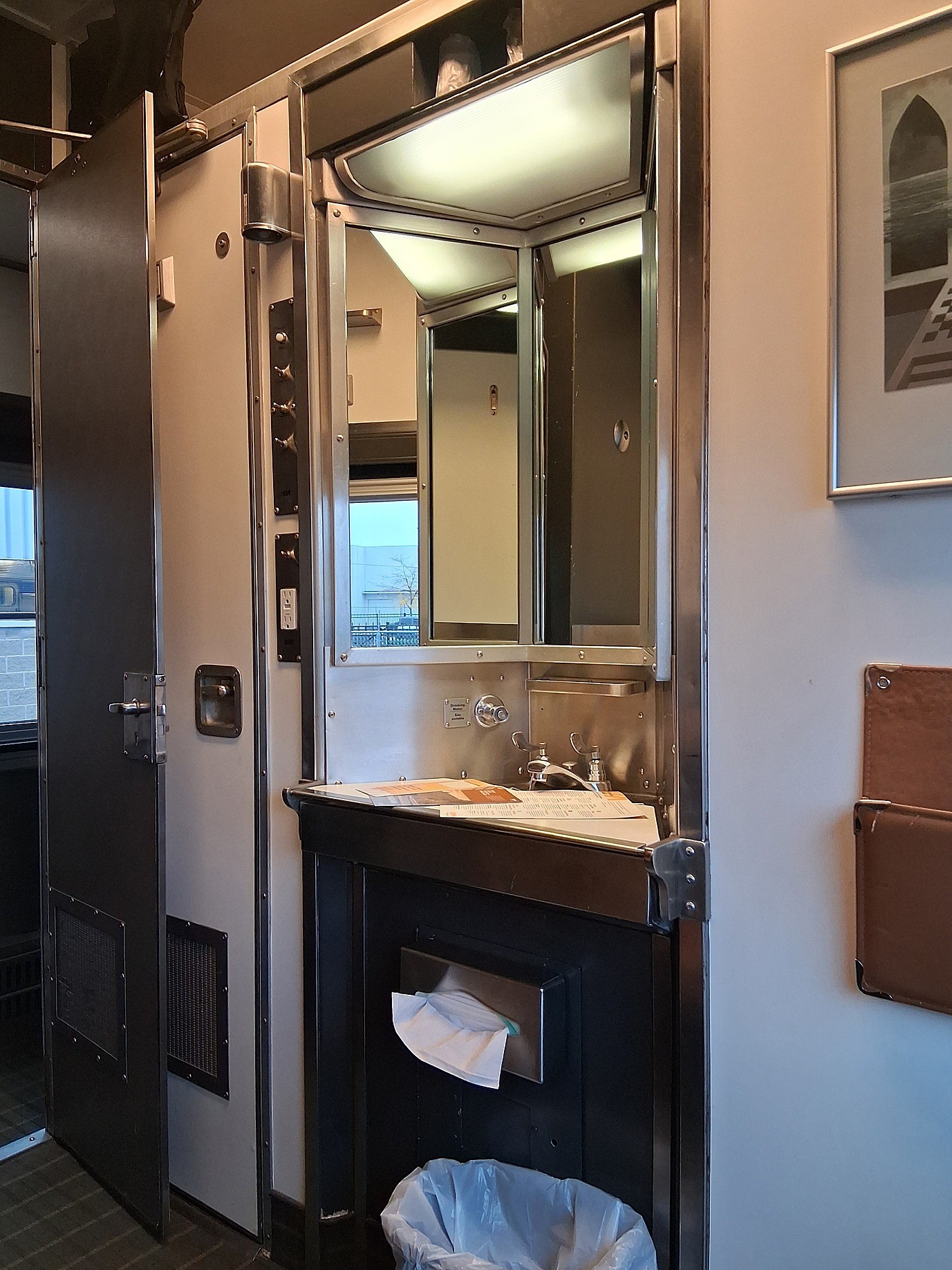
Meals are included in the sleeper fare and are served in the dining car by reservation. Tables for four meant that I met people from Germany, France, and Japan. The real surprise was how many of my fellow passengers, couples and singles, young and old, were Canadians (the majority) and many of them French speaking. Few were from the U.S. which was fine with me. Dinners included rack of lamb, beef tenderloin, and salmon, all excellent.
I took advantage of the surprisingly roomy shower room at one end of the sleeping car each morning at around 6:00 a.m. and then took a seat in the dome car to watch the day begin before breakfast.
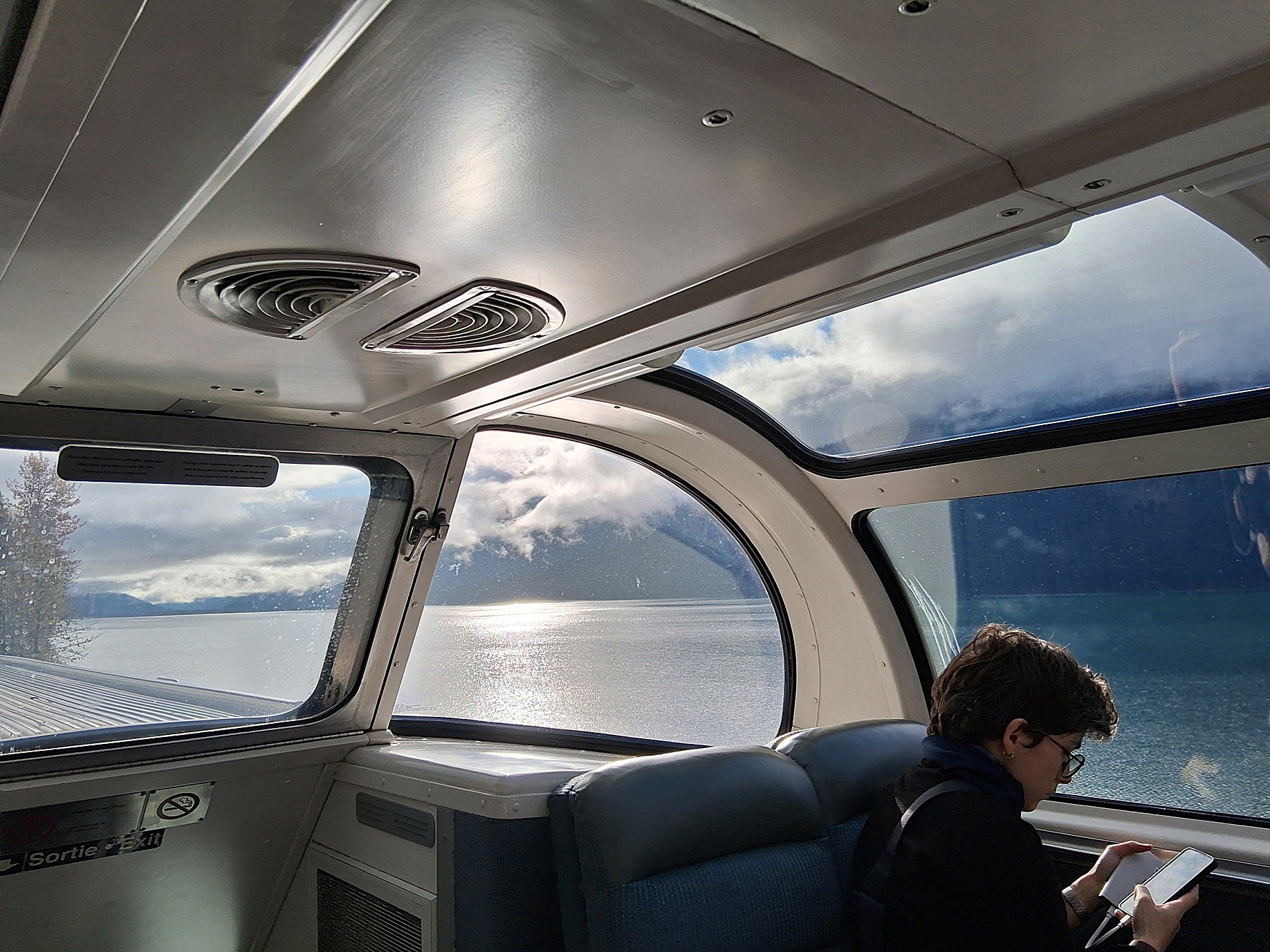
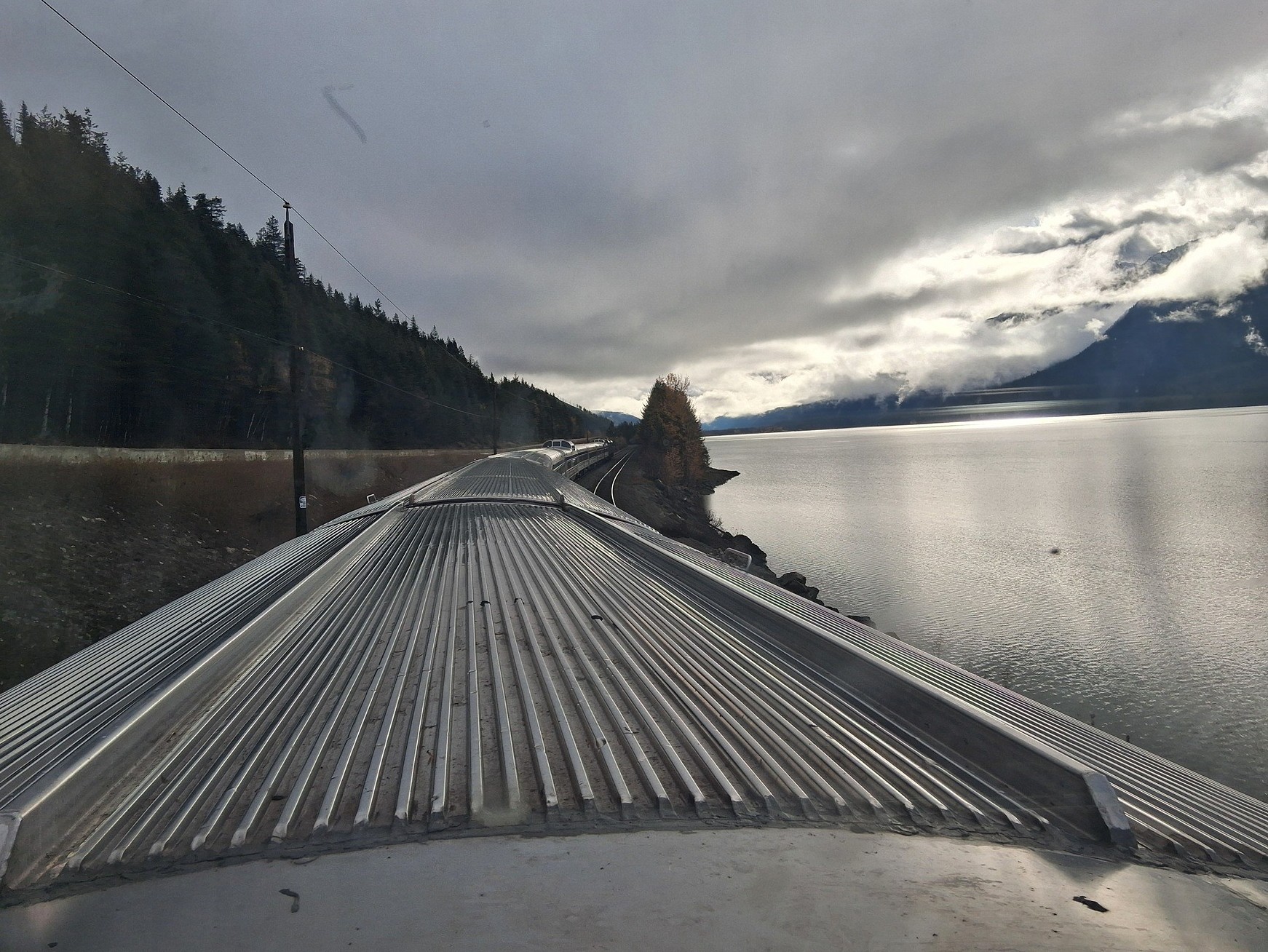
Our longest stop on day two was in Jasper, BC, a jumping off place for Jasper National Park.
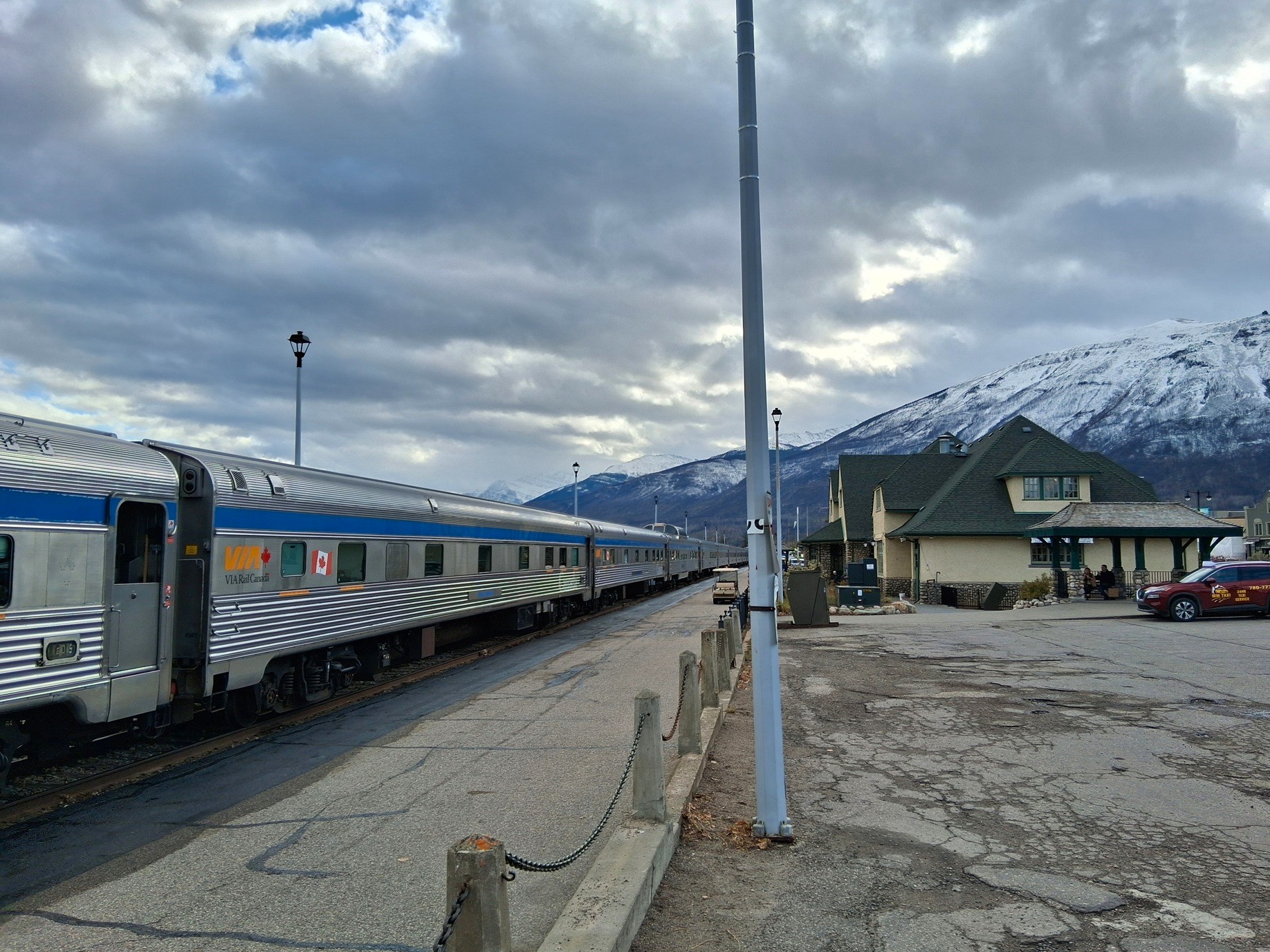
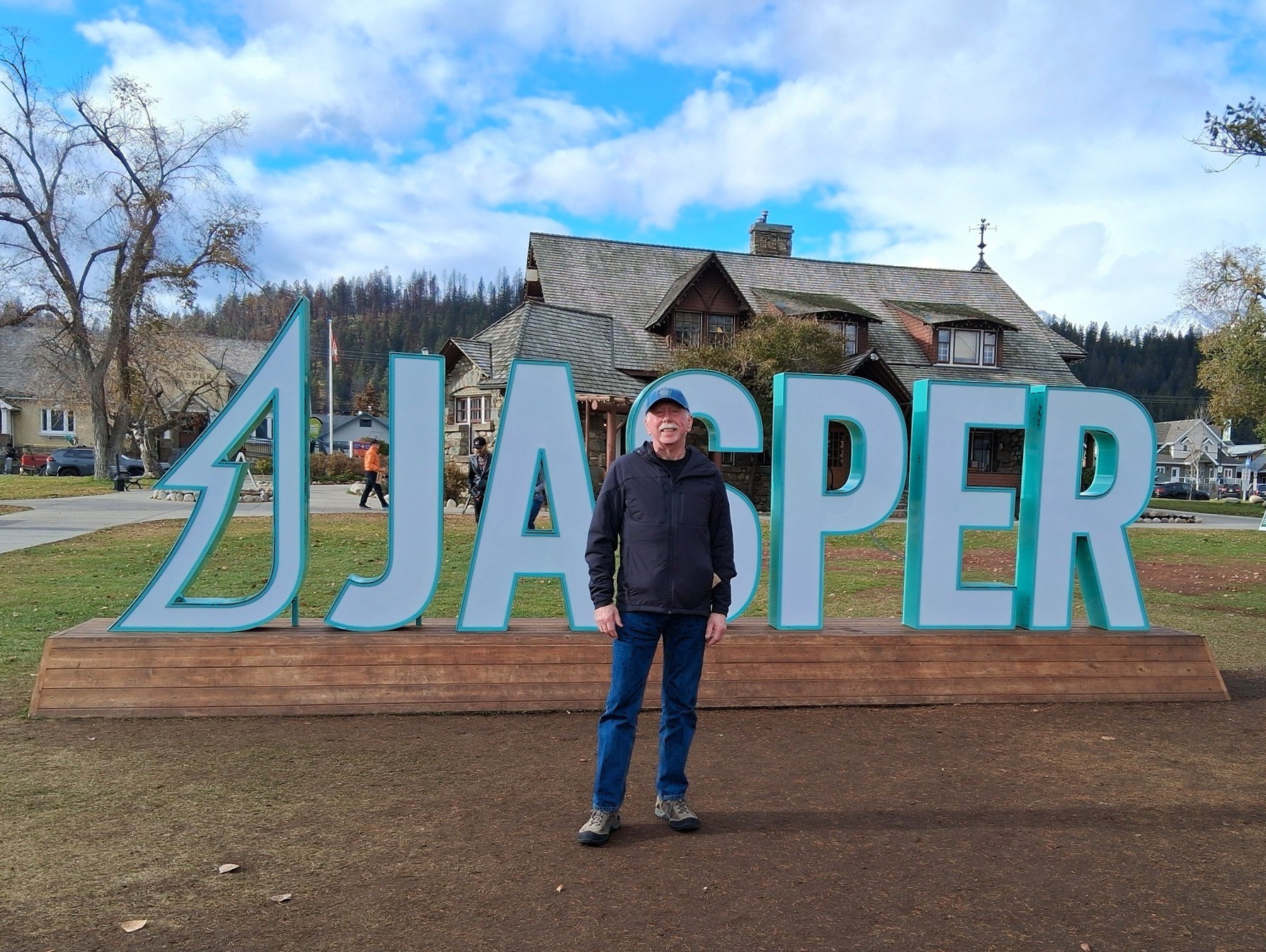
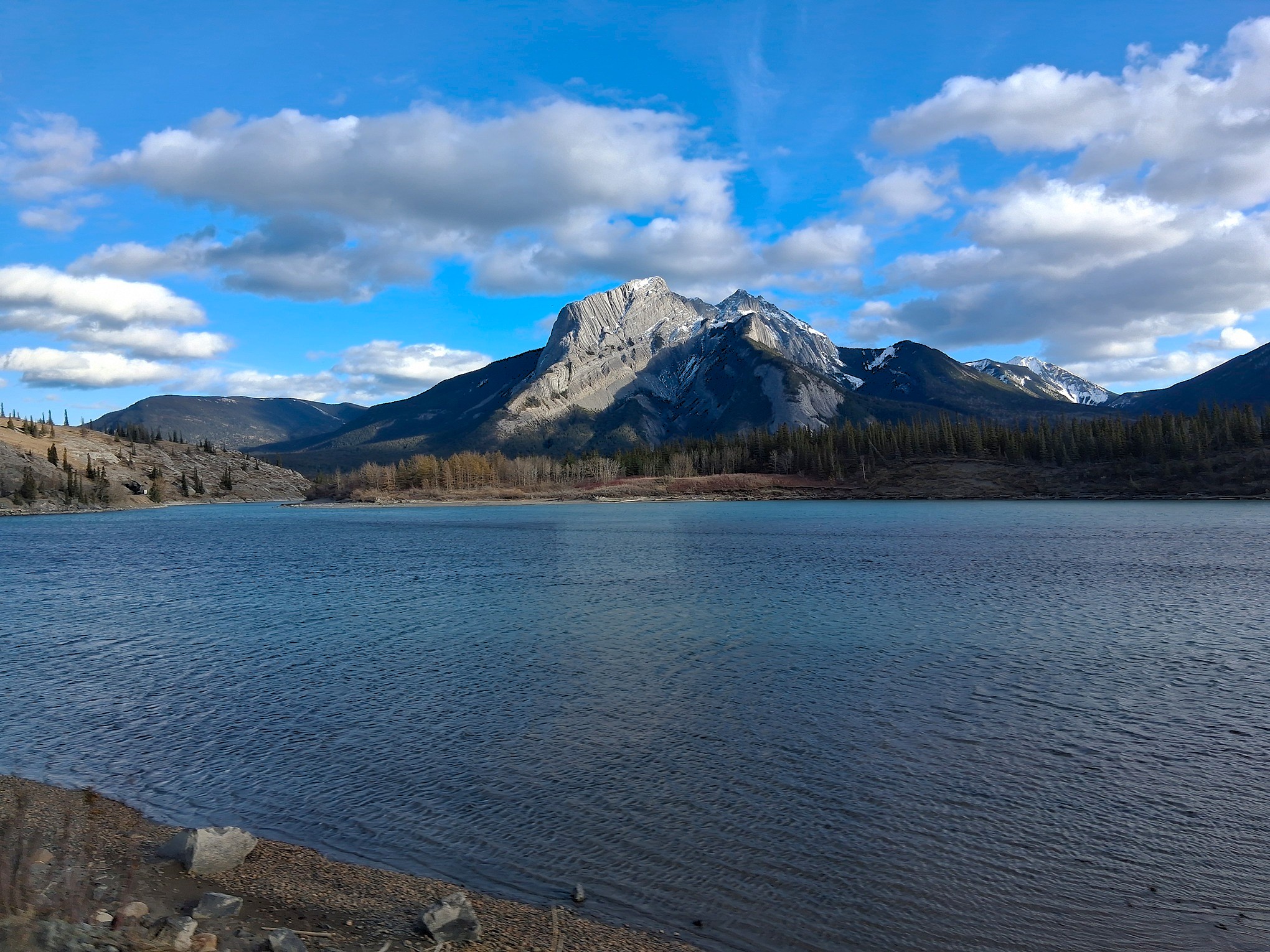
Jasper National Park does not disappoint and is the reason many people ride the Canadian.
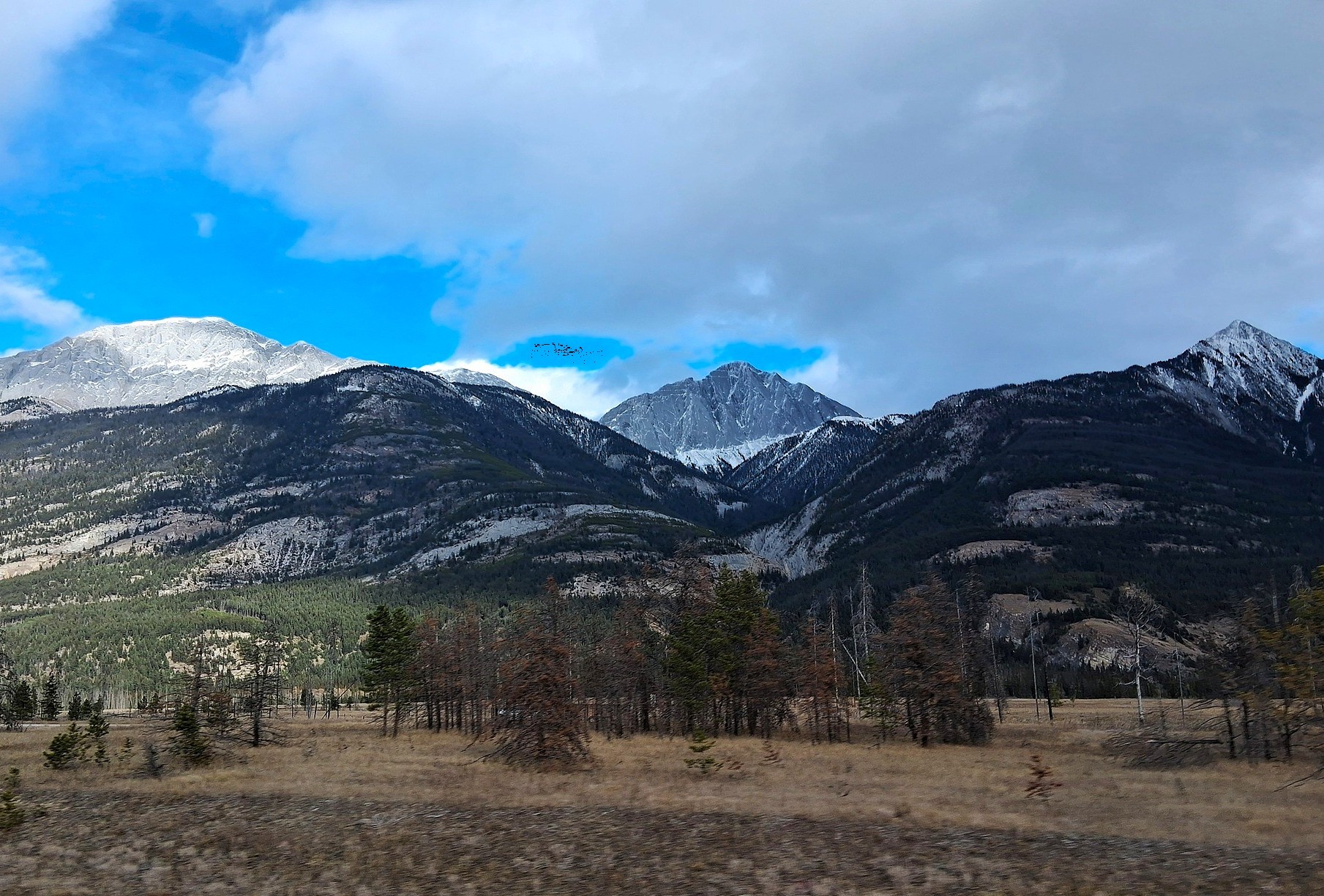
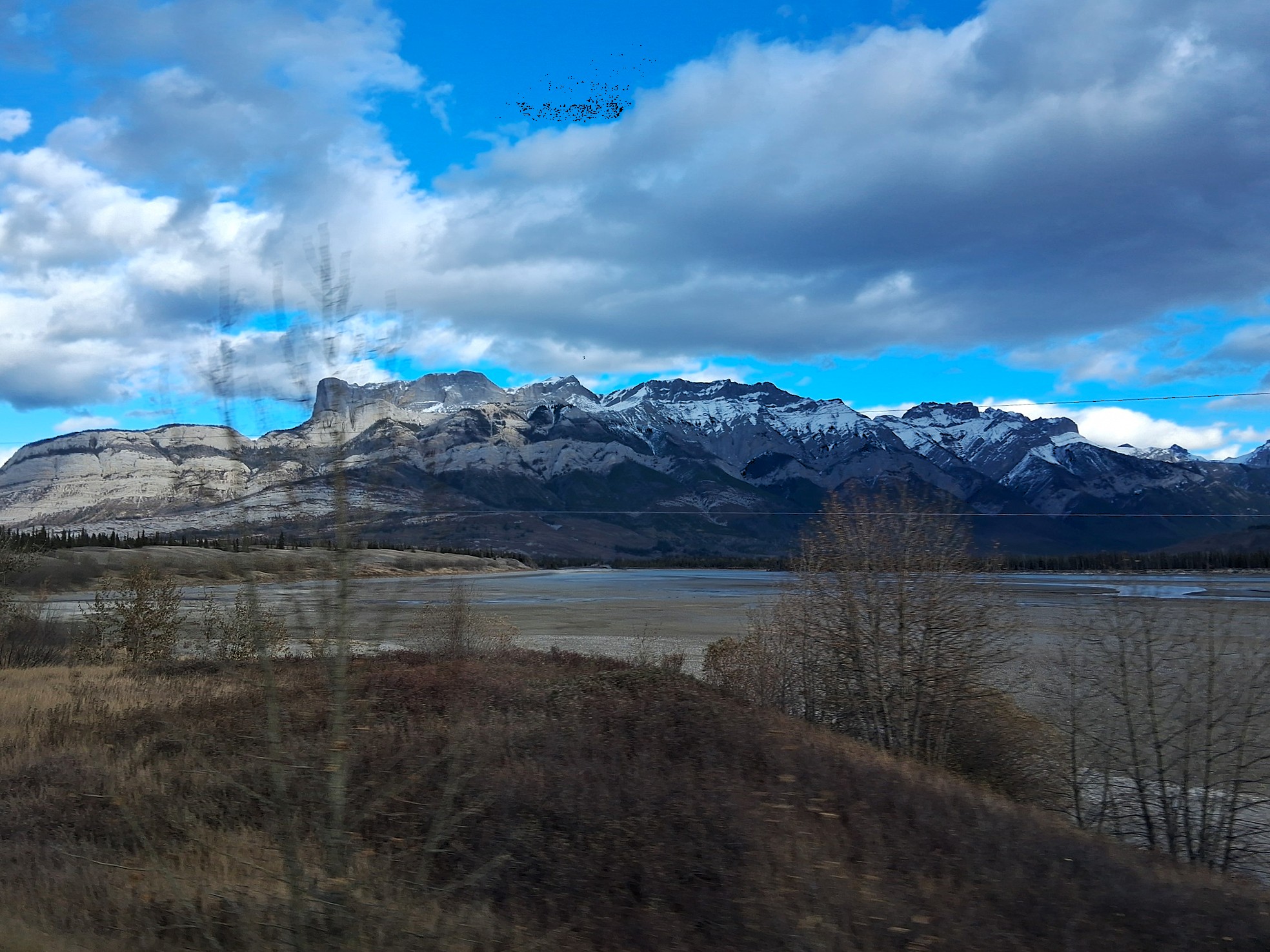
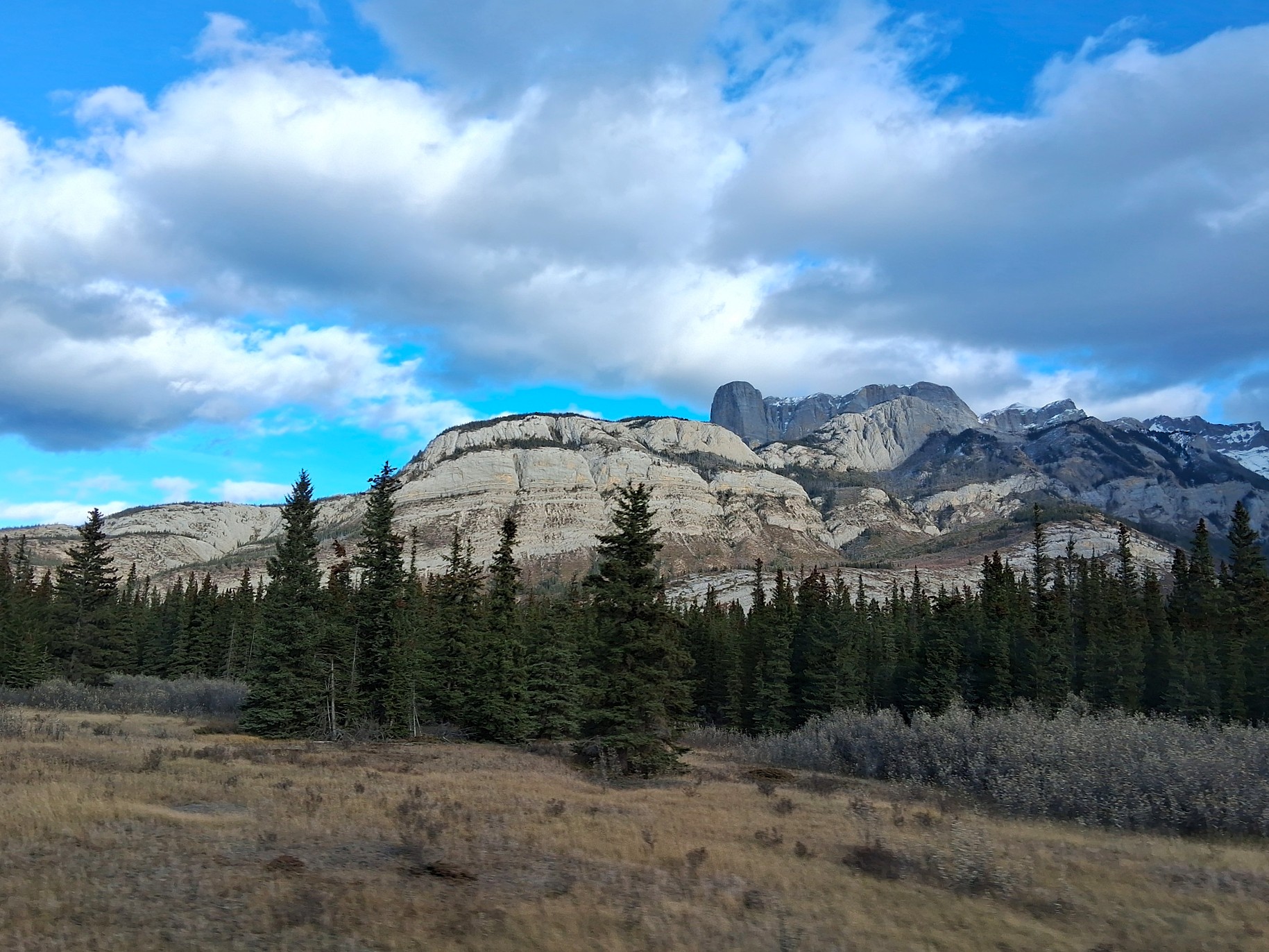
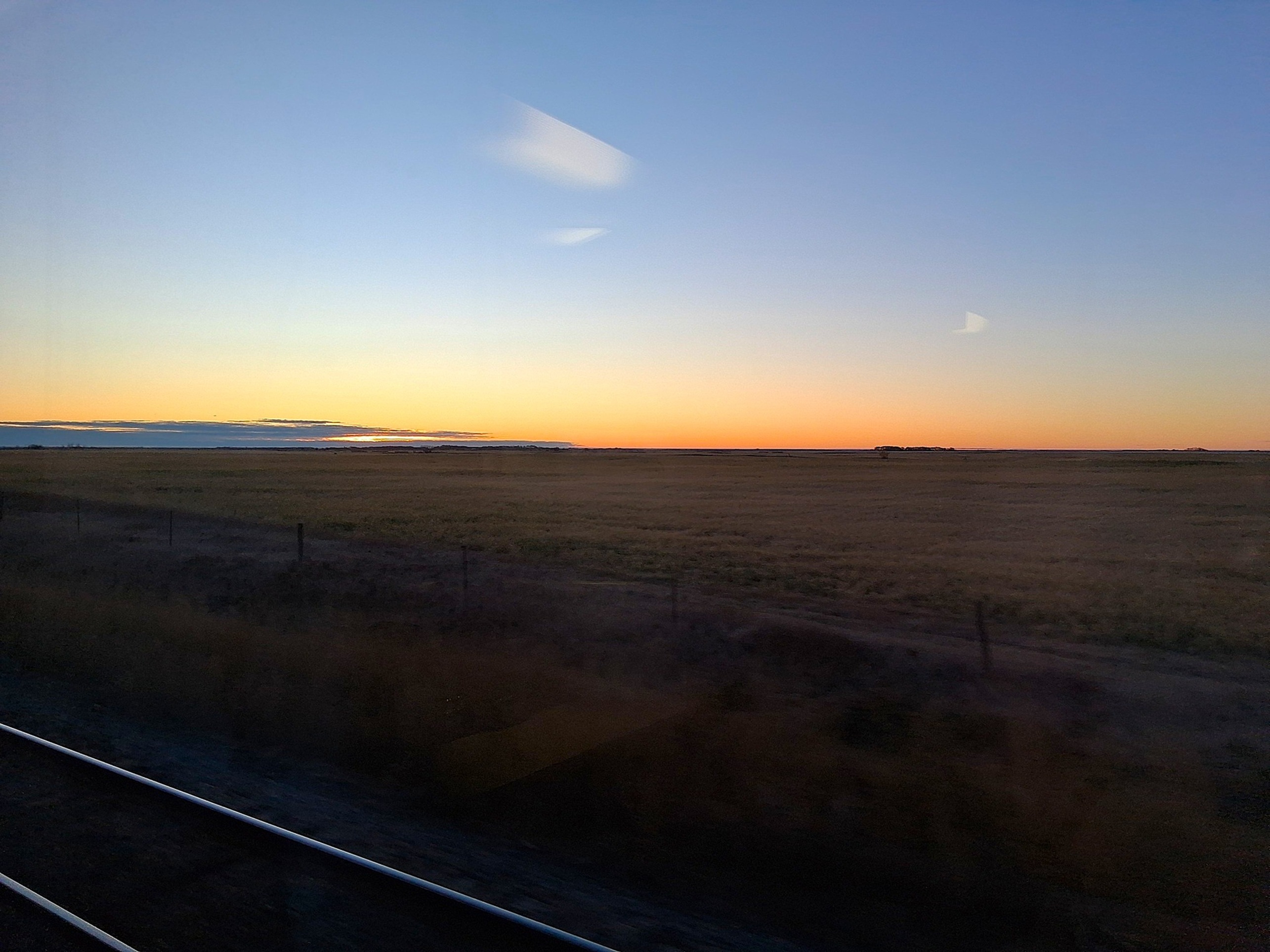
The next morning dawned over the plains of Alberta and, yes, it is very flat. Saskatchewan is pretty much the same, perfect for growing wheat, barley, and oats for export.
By late afternoon on the third day, we were crossing the what’s know as the Canadian Shield, a region north of Lake Superior with the oldest exposed bedrock in the world. Something like 50 million years old. The climate is moderately wet and there were small bodies of water, like potholes, across the terrain all the way to Toronto, Ontario. From Toronto, I took a separate train to Montreal, Quebec, where I spent a day and two nights before boarding the VIA Rail Ocean to Halifax, NS.
The Ocean follows the St. Lawrence River through Quebec until it turns south into New Brunswick, the land of the Acadians. The story of Acadia and the 1755 Expulsion has not been forgotten locally. French and Acadian culture is still a big part of local life. Homes in small communities along the river were uniformly well maintained and small by U.S. standards.
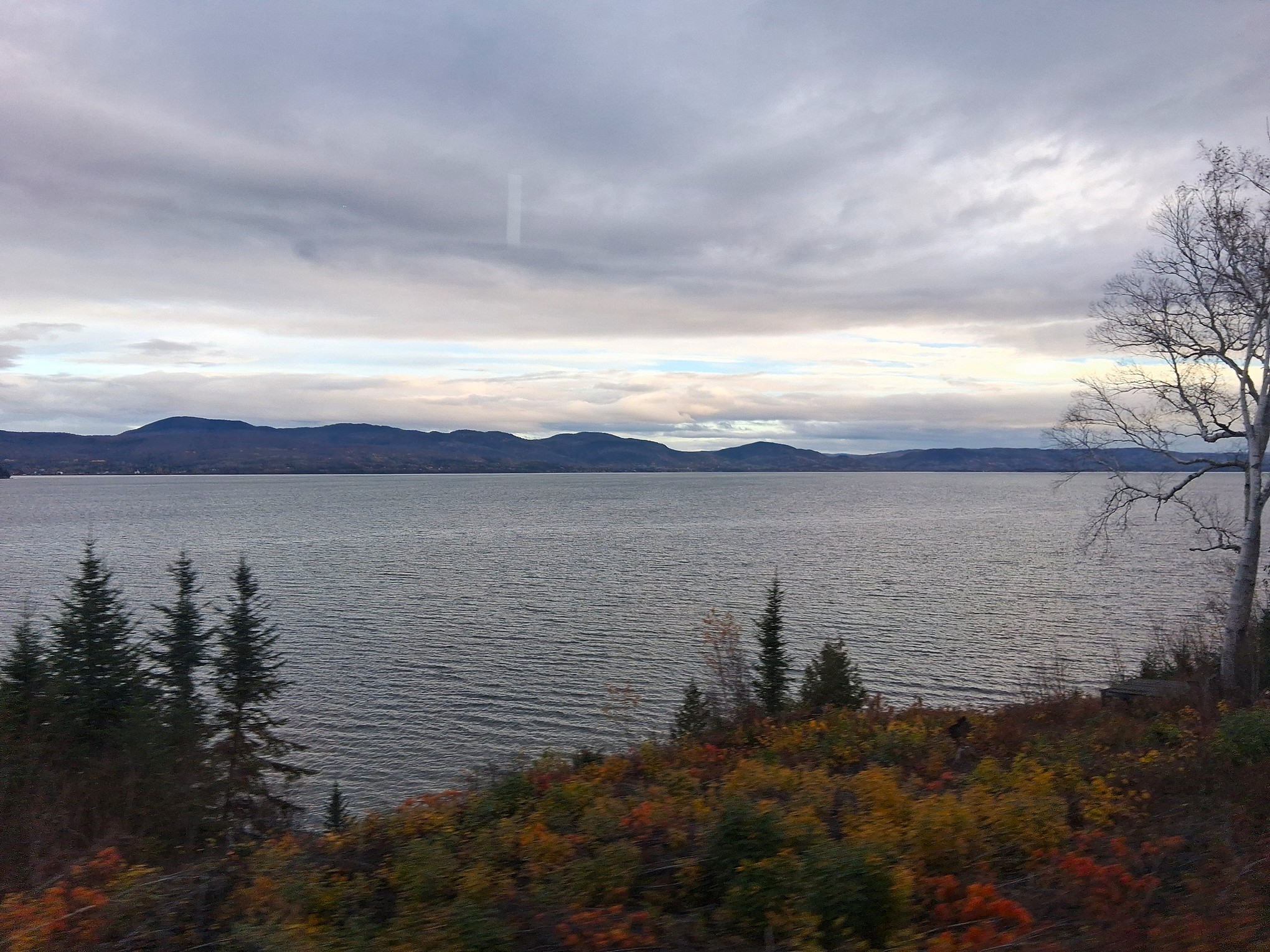
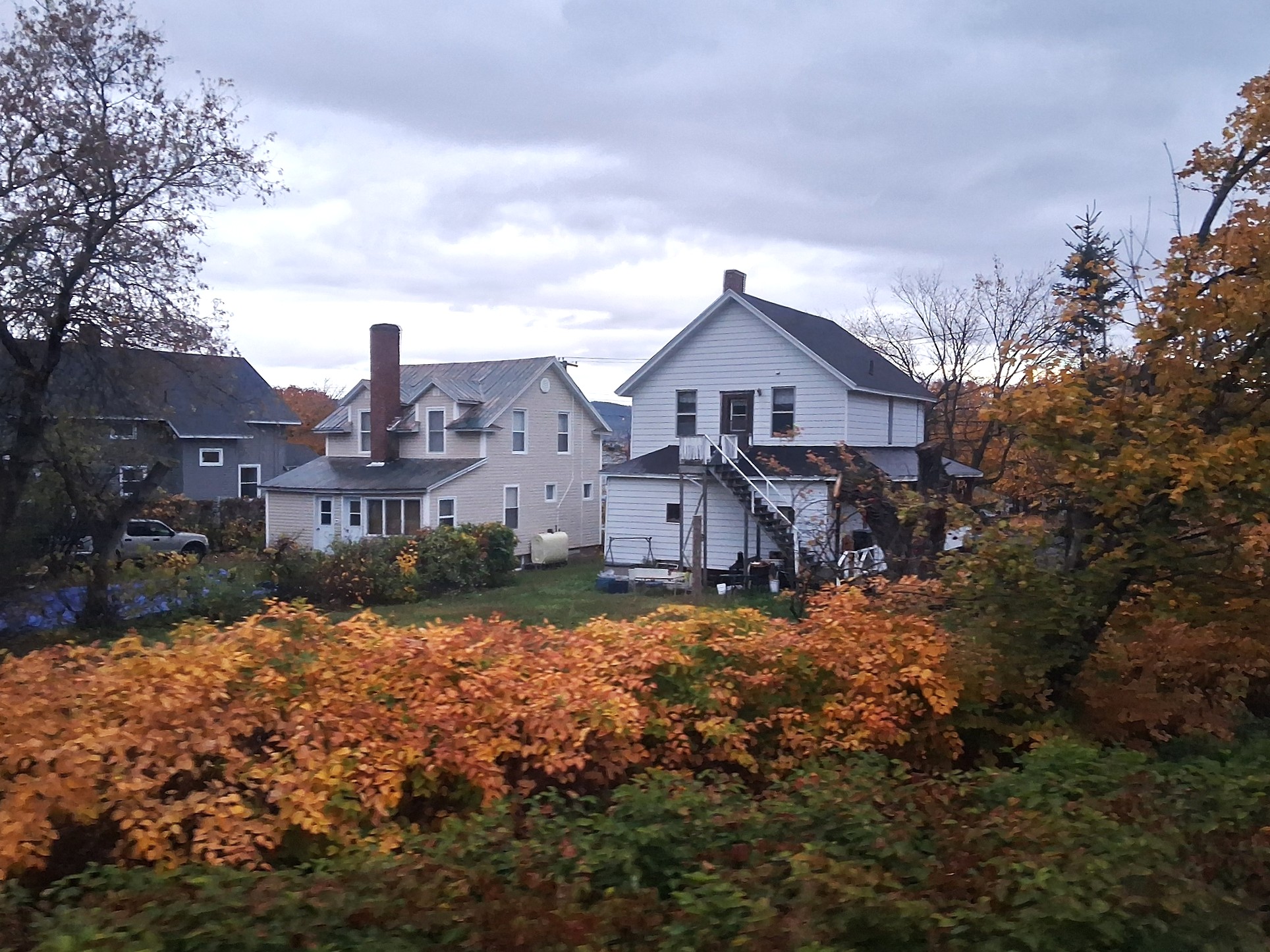
When we turned south toward Halifax , we entered Mount Carleton Provincial Park and the forest was a mix of birch, eastern larch (bright yellow), spruce, pine, and fir.
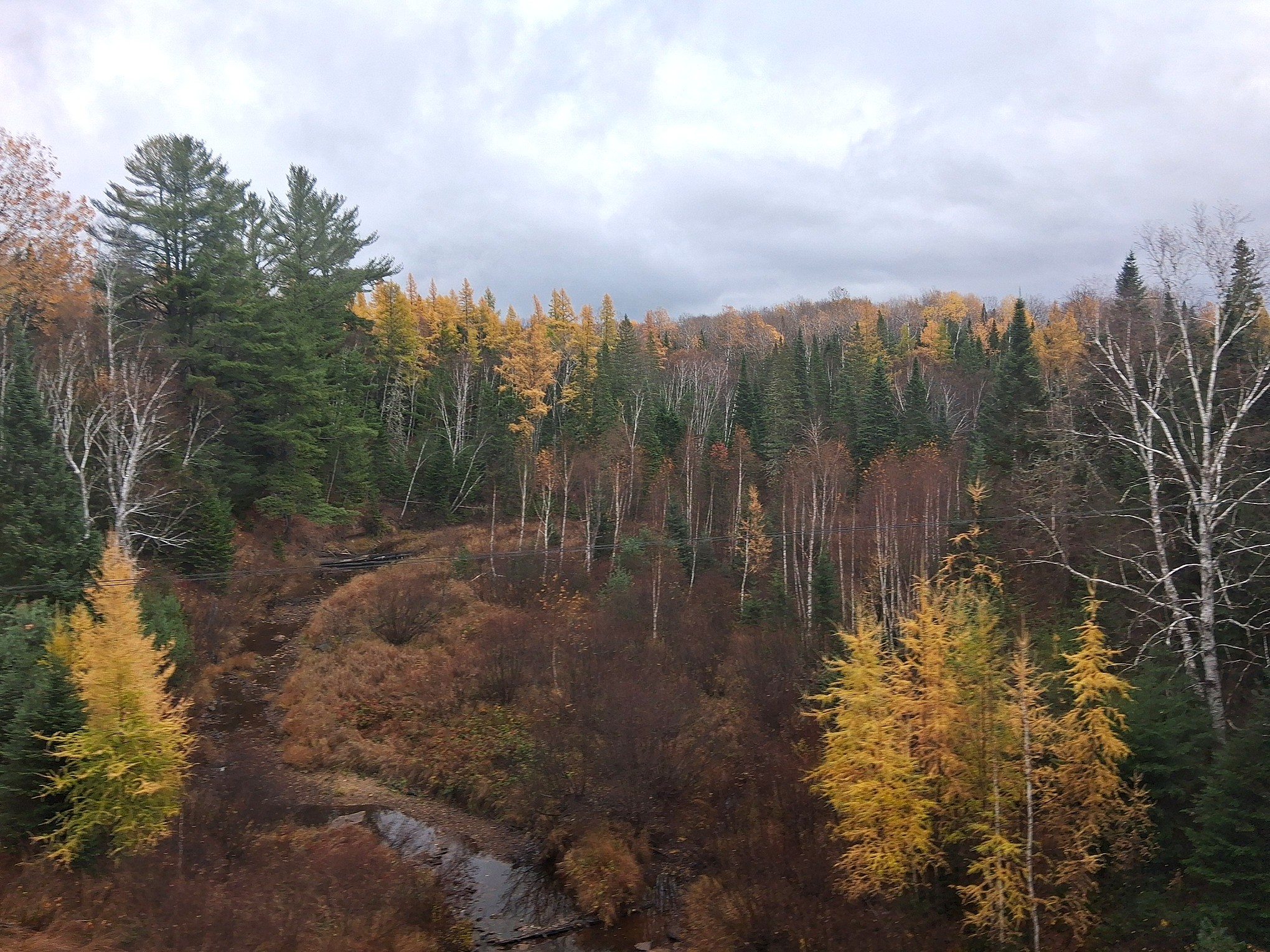
My train ride ended in Halifax, three hours late which is typical of VIA Rail, where Karl picked me up. After eleven days traveling, I was more than ready for a hot shower and a long night’s sleep, a full four time zones away from Oregon. Karl’s house in Duncans Cove sits atop a rock face overlooking Halifax Harbor and is built on concrete footings set deep in solid granite and once held a shore battery to protect the harbor during WW I. Halifax and Dartmouth, NS, are on the horizon to the north.
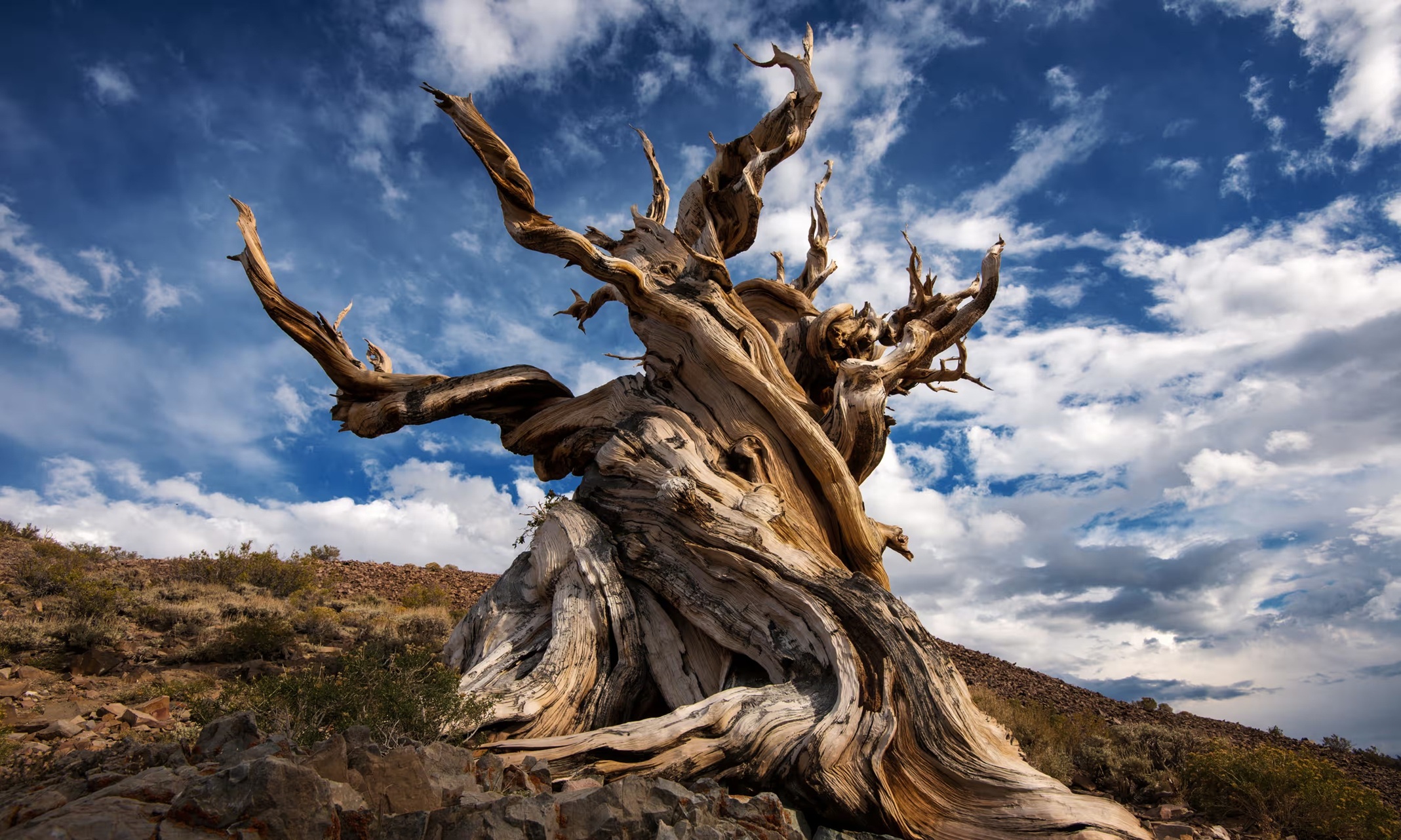
Truly engaging in reality, however it presents itself, is far more interesting than any fantasy which smooths out the wrinkles. Embrace the moment that will never return, and experience life’s mysteies. [Click on the image to enlarge]
All photographs are Max Vollmer. Click on any image to enlarge.
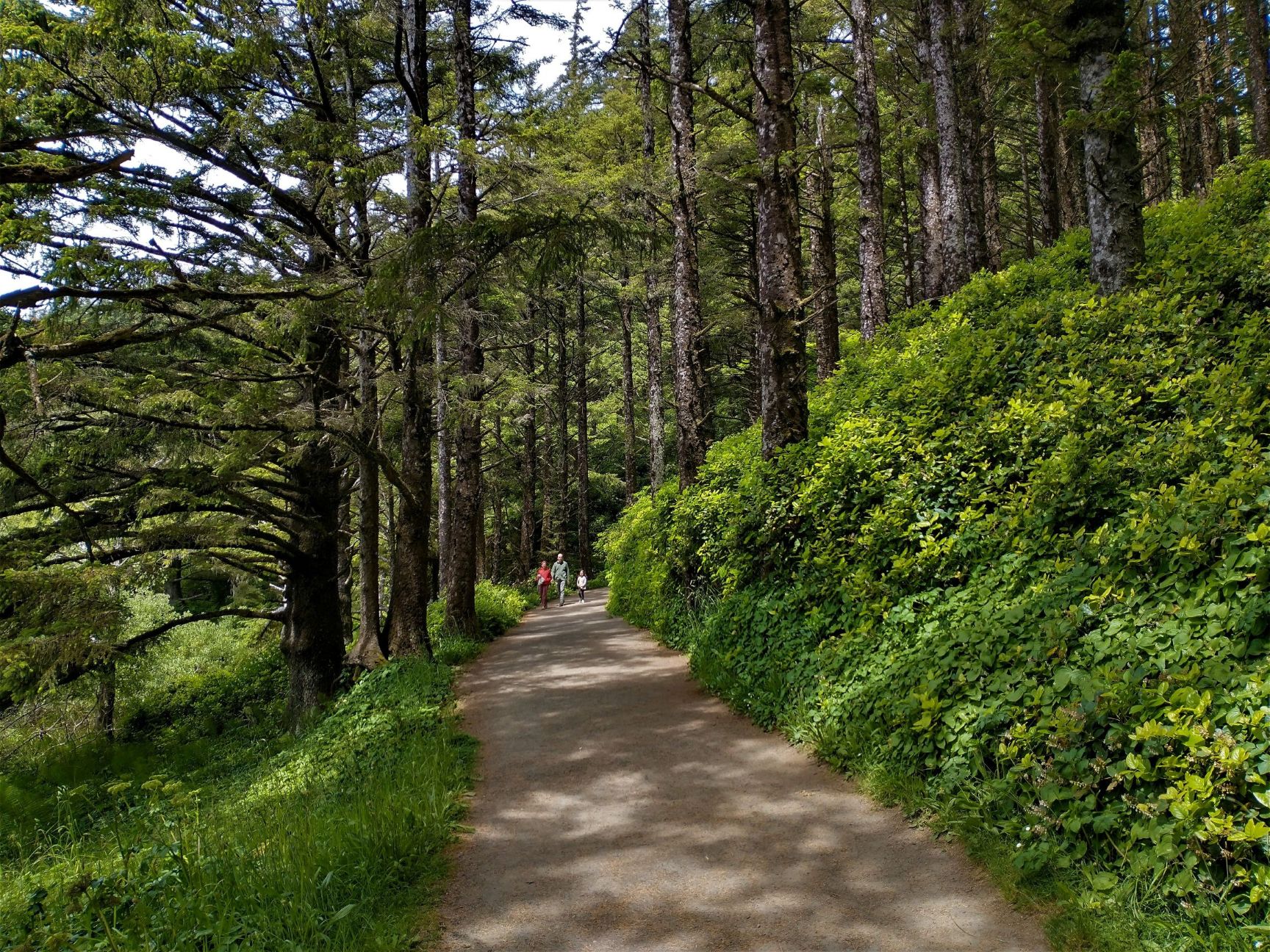
Footpath to the lighthouse.
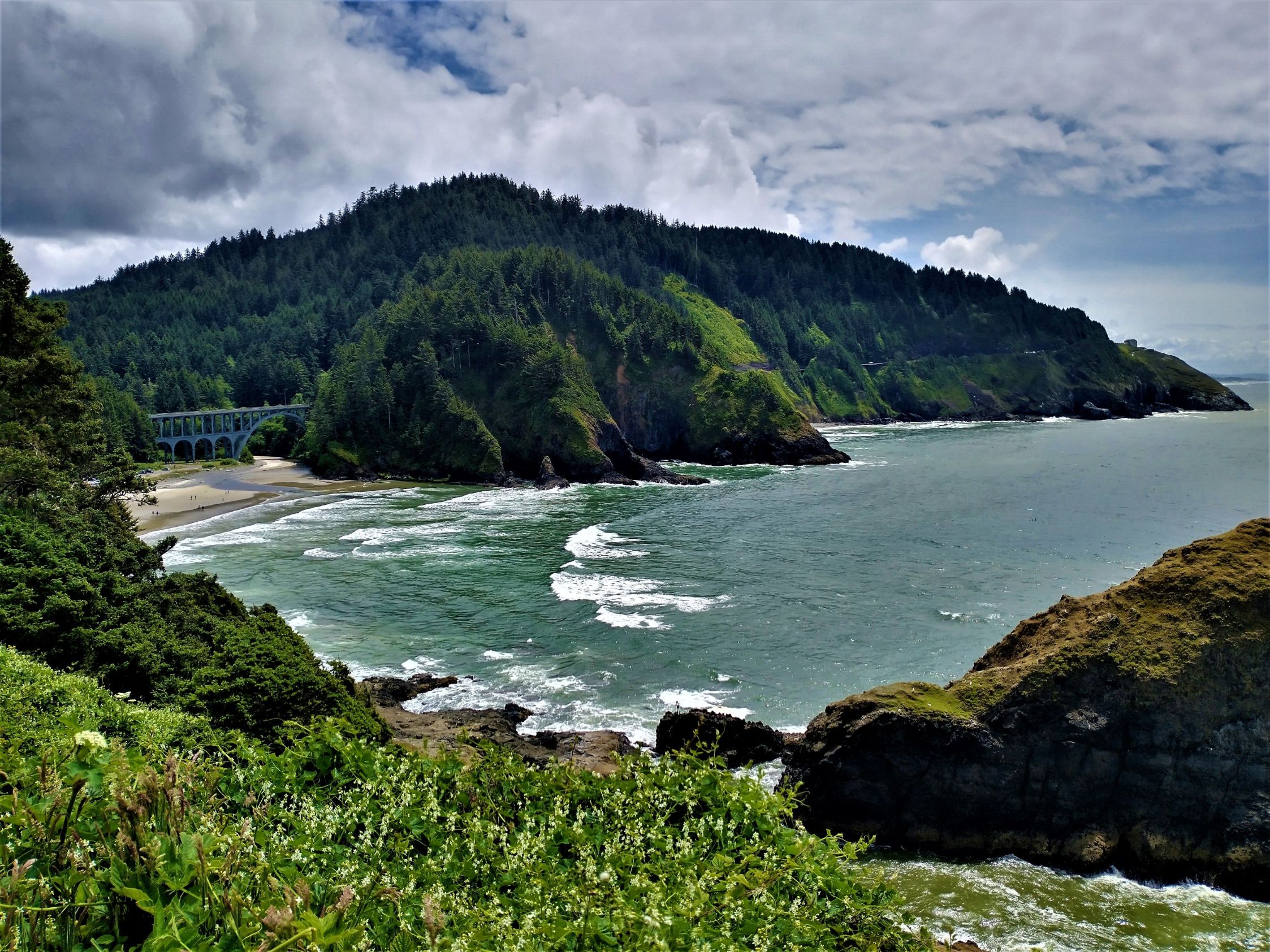
Along the path. 1930’s era historic bridge along Highway 101.
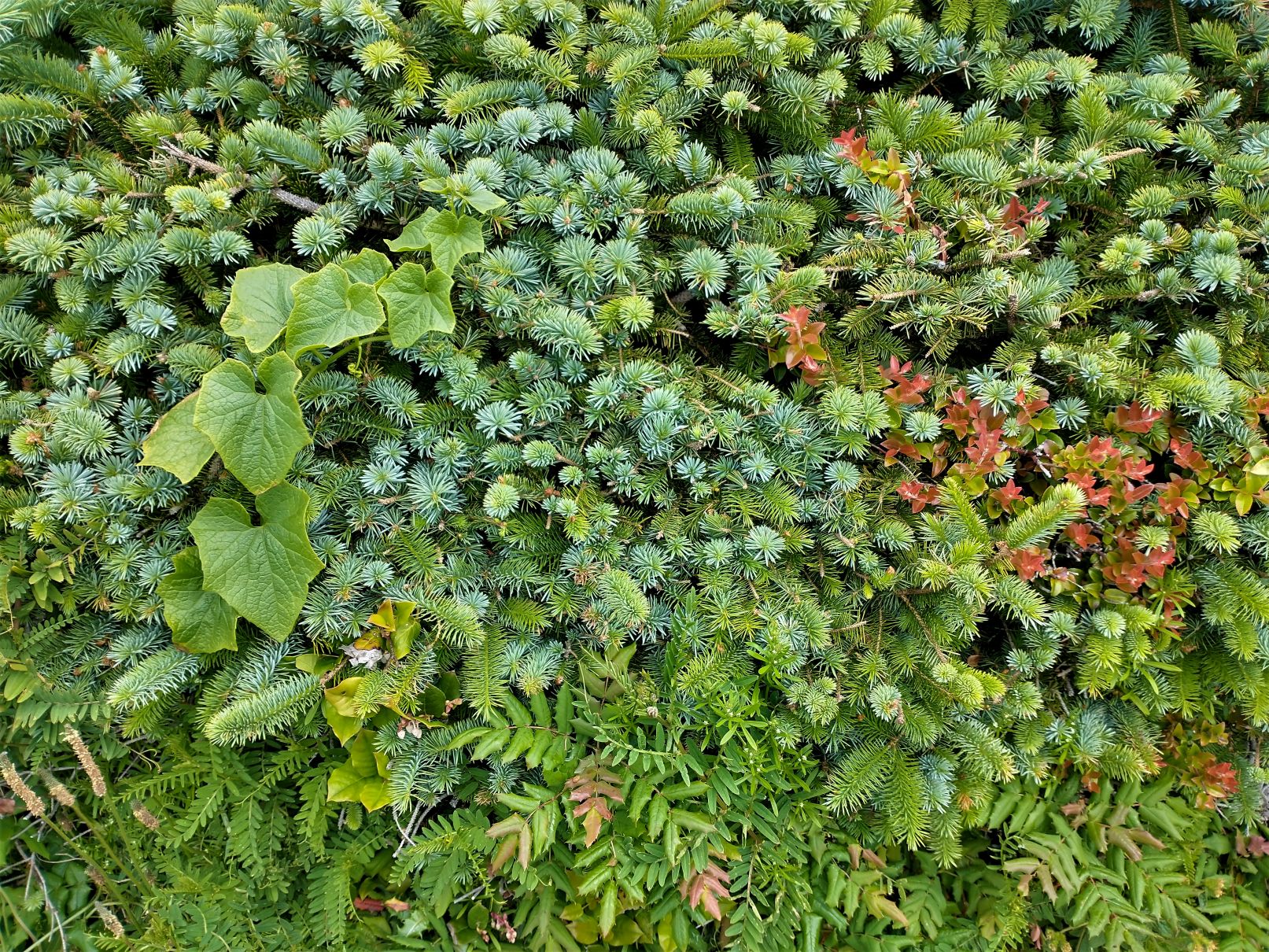
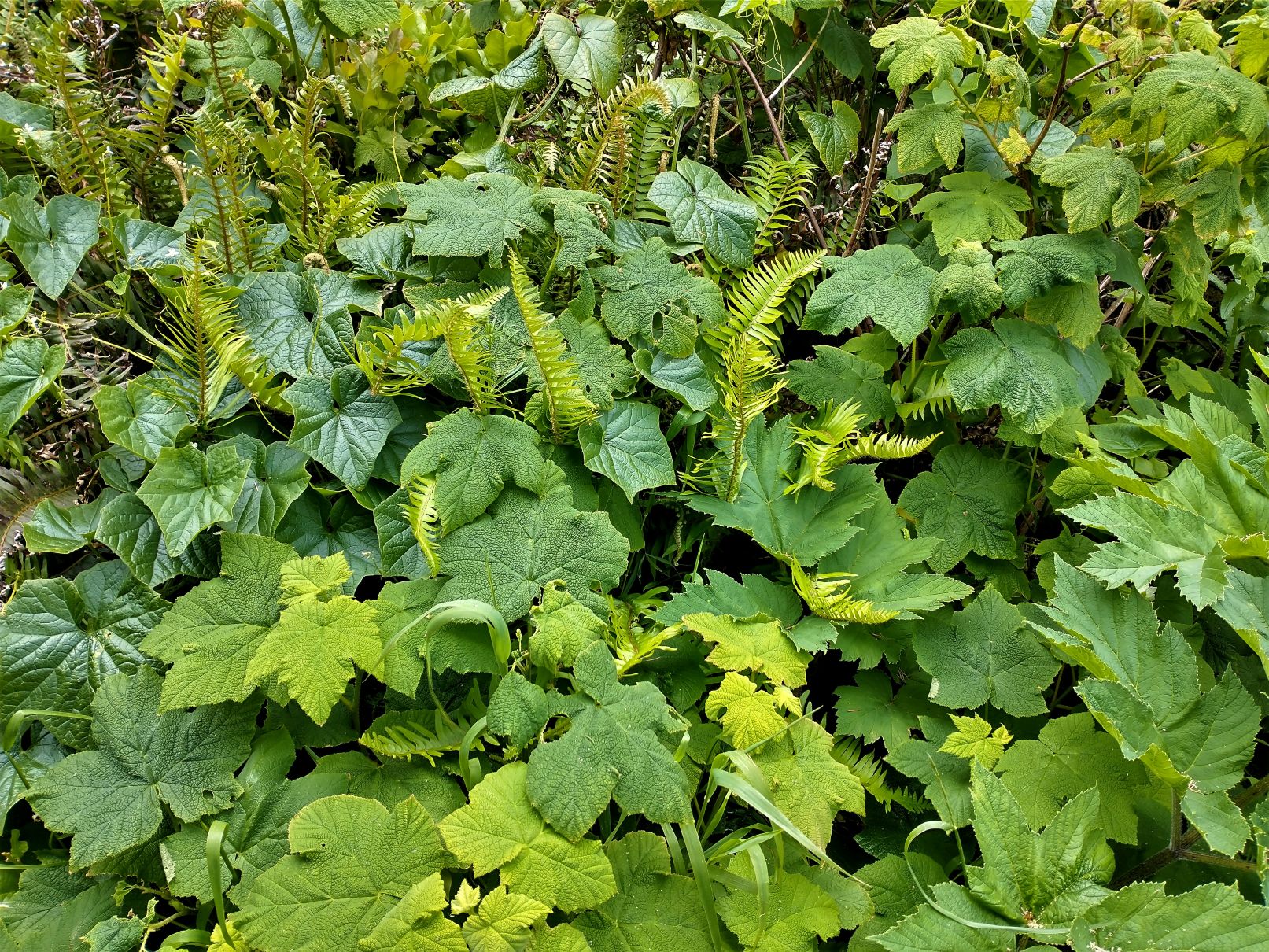
Along the path.
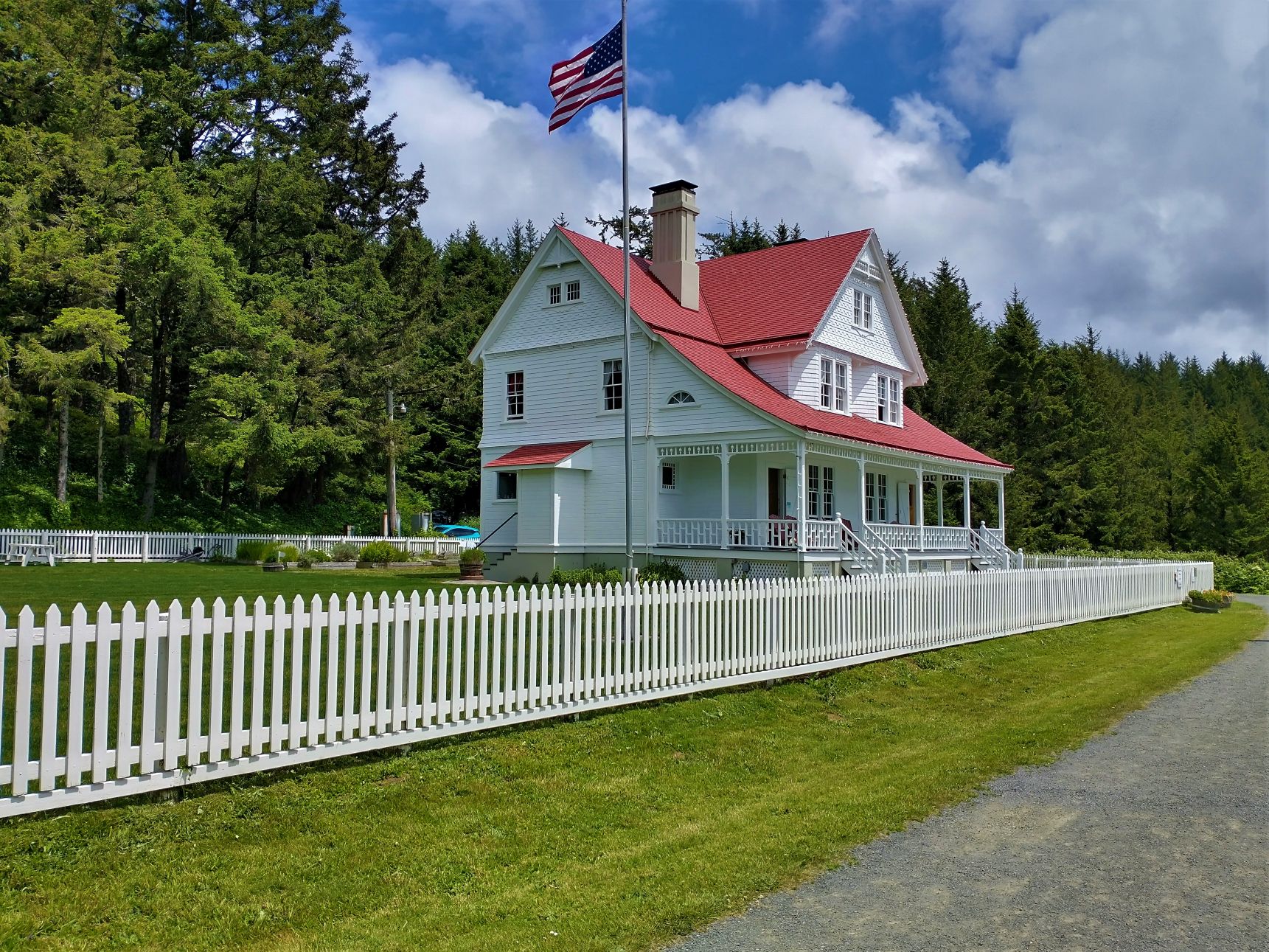
Former home for the lighthouse tender.
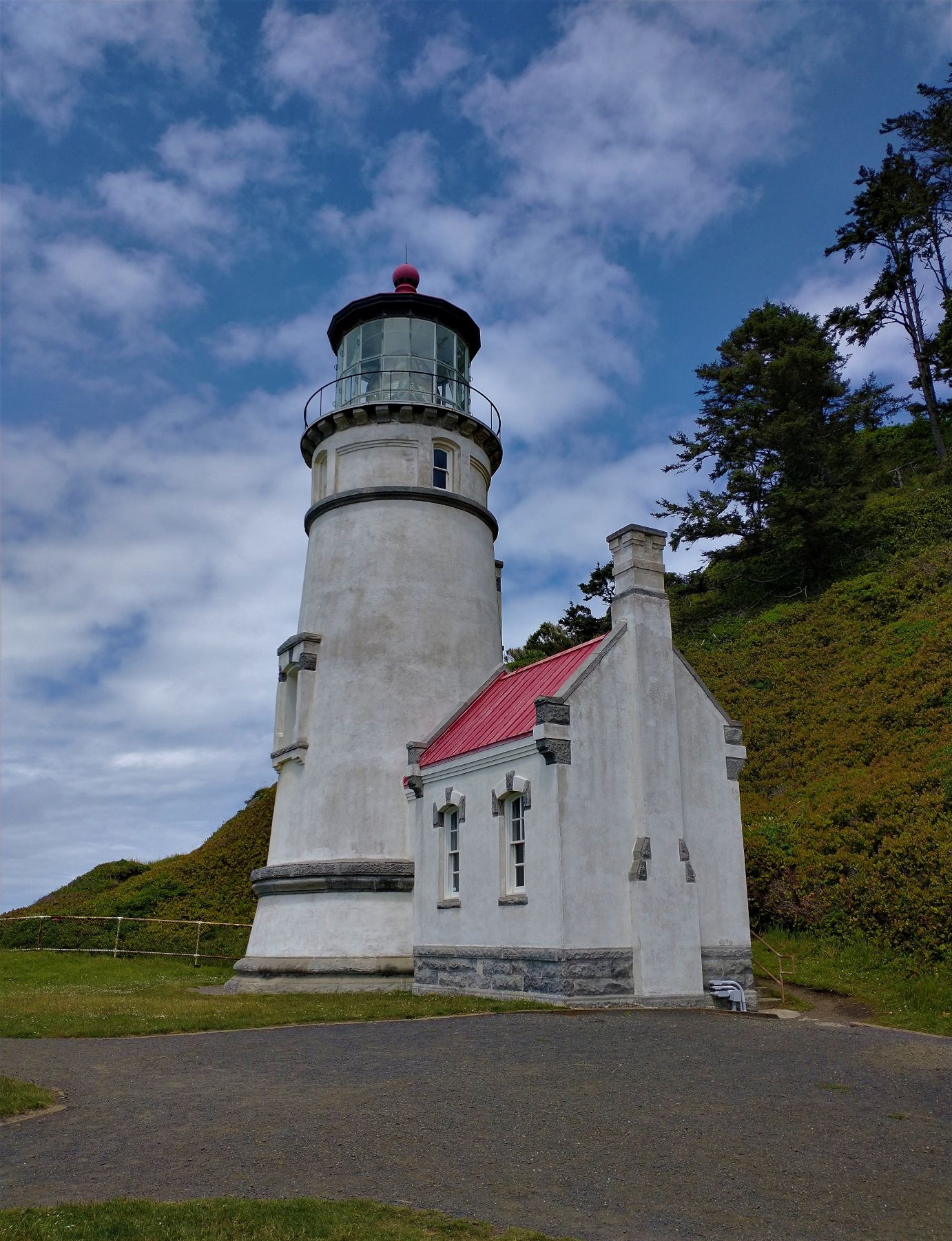
Heceta Head lighthouse.
Actually ‘splitting wood’ more accurately describes what I do each winter in order to maintain a two year supply of cured firewood for my woodstove. [All photos Max Vollmer, Click on any photo to enlarge. ]
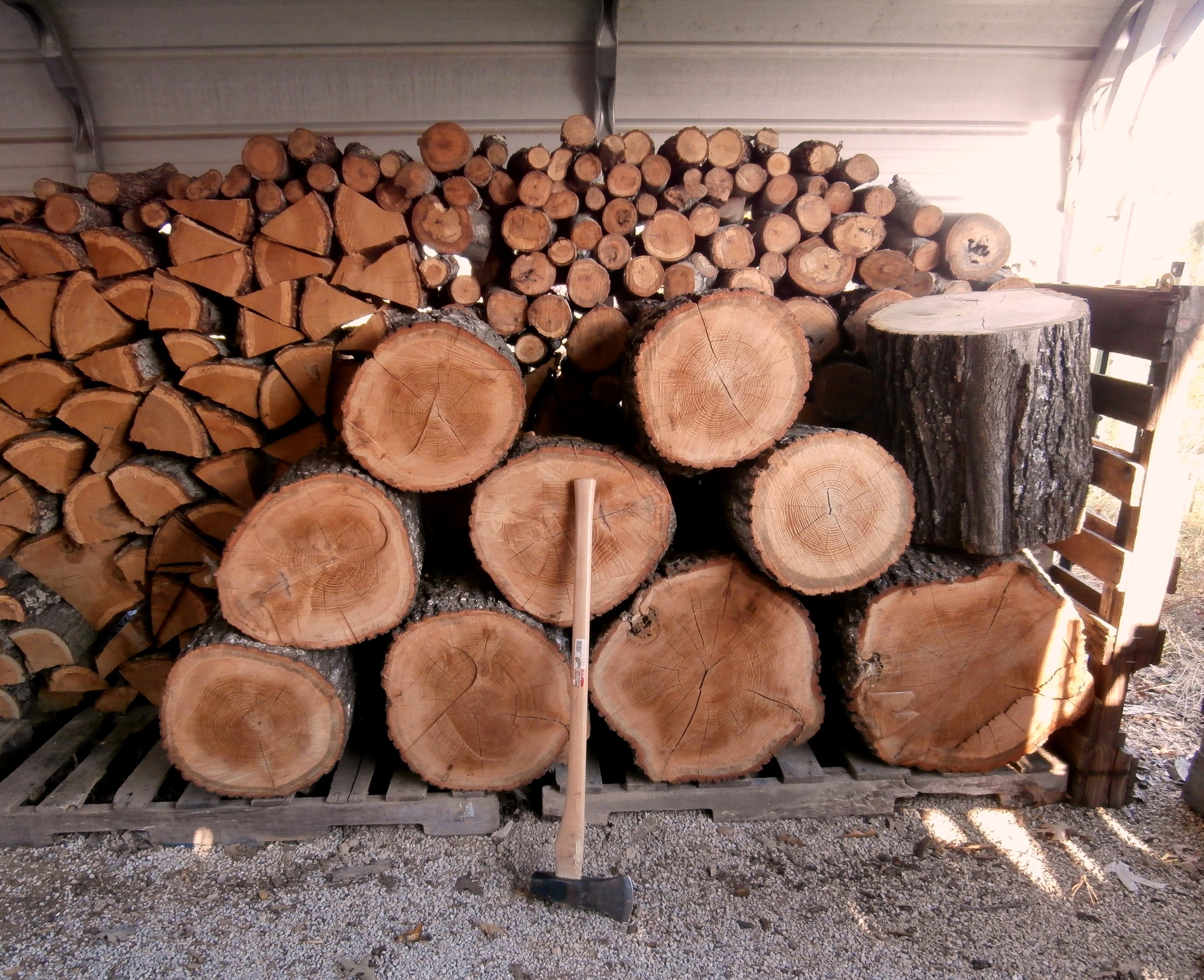
A year ago I felled a red oak tree on my property that had succumbed to a pest locally referred to as the ‘green ash borer.’ The base of the tree was a little over 24 inches in diameter and I cut the bolts (log sections) into approx. 24 inch lengths to fit my cast iron, airtight stove from Ireland. I let these bolts sit all summer to begin to dry and then in the Fall I split them into sections left to dry another year. I fell trees and split firewood when the days are cold to avoid breaking a sweat. Temperatures in the low to mid-40’s Fahrenheit are perfect for splitting, while temperatures in the mid-30’s are better for felling and bucking.

I’ve been splitting firewood since I was 11 or 12 years old. As a kid I used a Plumb ax to split wood for the family fireplace. For the last 40 years I’ve been using a maul which is much more efficient! Currently I am using an 8 lb. maul which is needed for these large oak rounds. When I bought my current property it came with a gas-powered log splitter that I used for one season. It was fast, but I sold it because I prefer to split the wood by hand. It’s naturally much harder work by hand, but it is part of what keeps me in shape at 73. Through the years of using a heavy maul, I’ve learned how to put biomechanics to work for me. I’ve perfected something like a full overhead, figure-8 swing that employs gravity, momentum, a pendulum motion, and centripetal force to do the work. My arms and arm muscles don’t really do the work of splitting, so much as they direct the mechanical motion and application of force (mass x acceleration = force) that does.